Getting the Light Exactly Right: The Secret to Better UV Curing
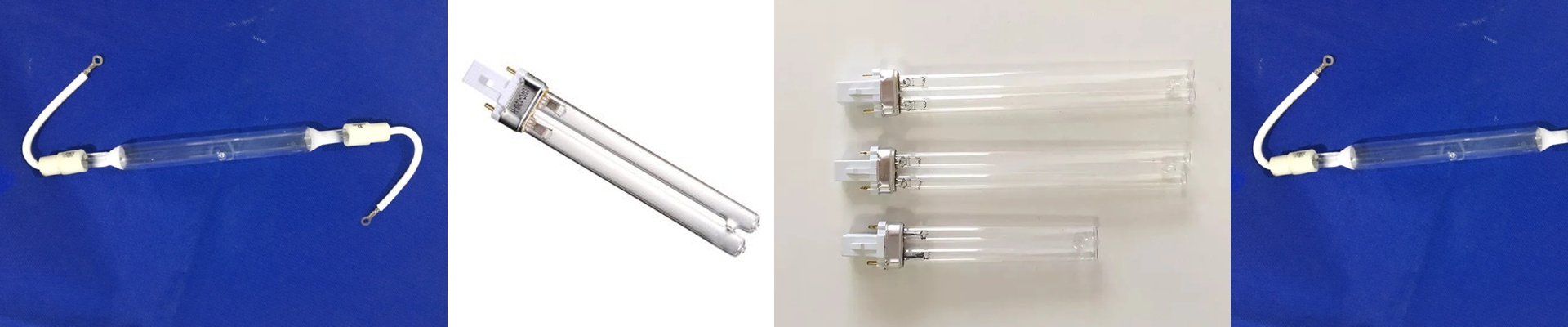
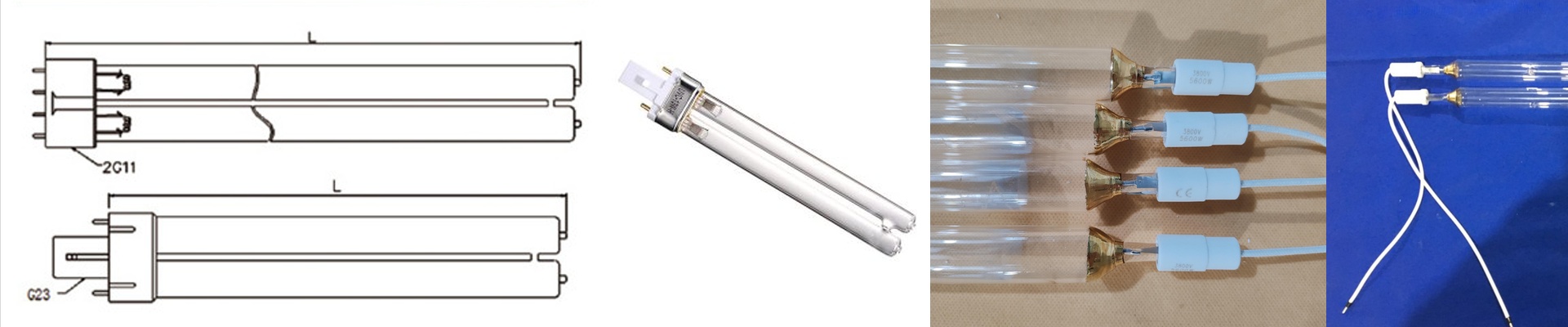
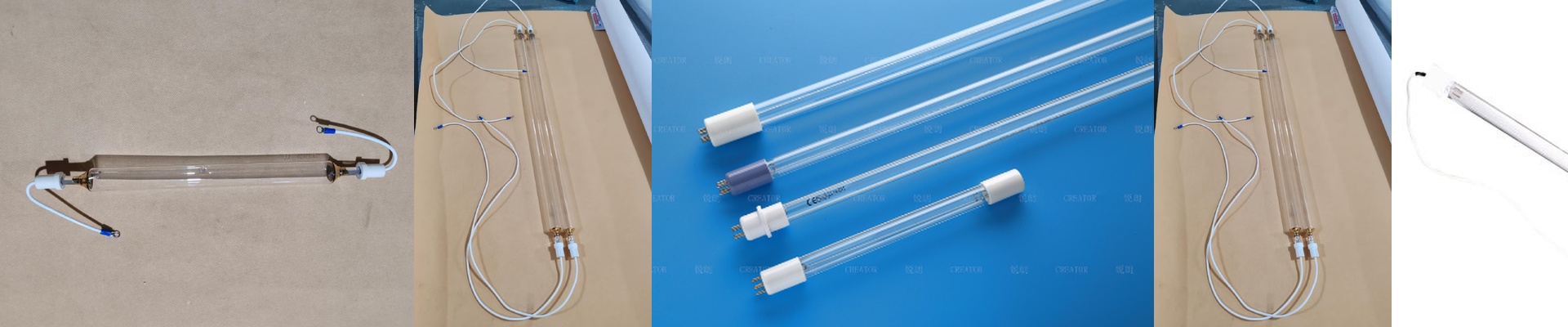
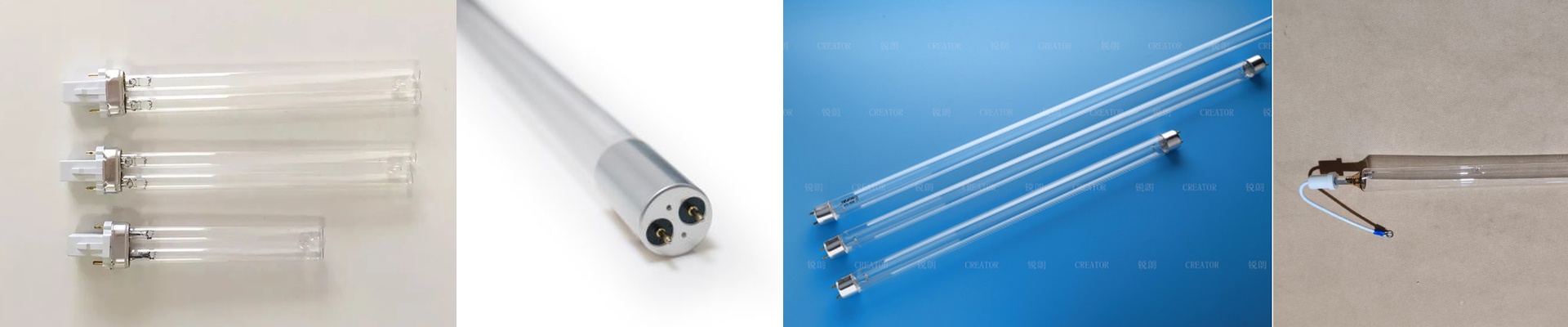
Most people see a UV lamp and just think “light.” But for the guys in our R&D lab, it’s more like a delivery service for photons. When we talk about hitting a 0.5% spectral energy concentration, we aren’t just bragging about numbers. We’re talking about squeezing that light into a tiny, precise window so it hits the exact spot where your resin or adhesive actually reacts. Here’s why that matters. If your light leaks outside that target window, you aren’t curing anything. You’re just making heat. And heat is the enemy—it warps your materials and messes up your substrates. To stop that, we use high-purity synthetic quartz. It keeps the light moving and stops the lamp from soaking up energy it shouldn’t. But the real headache is stability. A 0.5% tolerance is tight. It means the lamp can’t “drift” while it’s warming up. We spend a lot of time on the electrodes to stop sputtering. If those electrodes degrade, they cloud the quartz, and suddenly your spectral output is all over the place. Now, there’s a catch. Getting this kind of precision isn’t free. When you tighten the spectral window this much, the lamp gets a bit moody. It becomes way more sensitive to voltage spikes. You can’t just plug these into a cheap ballast and hope for the best. You need a stabilized power supply. If the arc shifts even a little, your specs go right out the window. Then there’s the heat. When you cram all that energy into a narrow band, the core of the arc gets incredibly hot. You’ve got to have a cooling system that can actually keep up—whether that’s forced air or water jackets. If you skimp here, the quartz will eventually stress-crack, and that’s a bad day for everyone. The payoff? We designed these to be drop-in replacements for high-speed lines. Because the light is so focused, you can often slow down your conveyor or even pull a few lamps out of the array. You get the same deep cure, but you aren’t wasting power. It just works better.