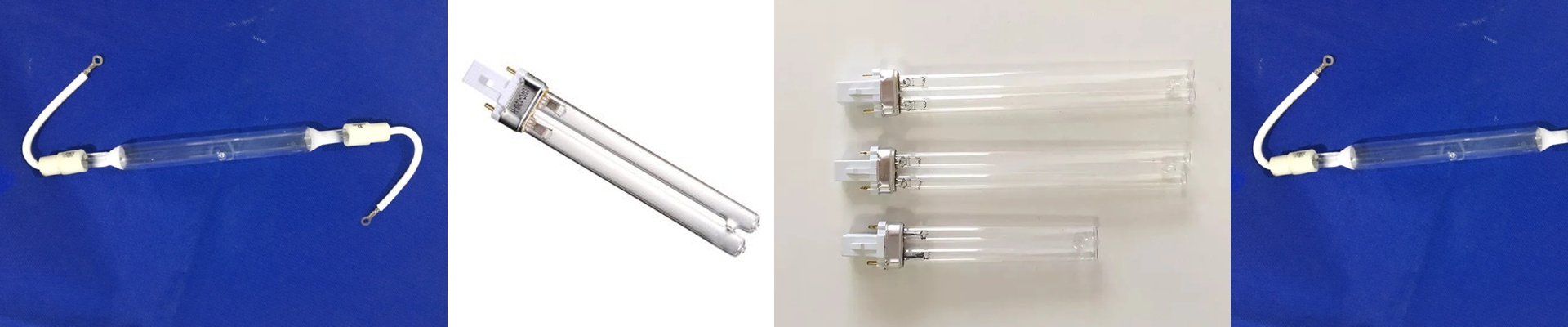
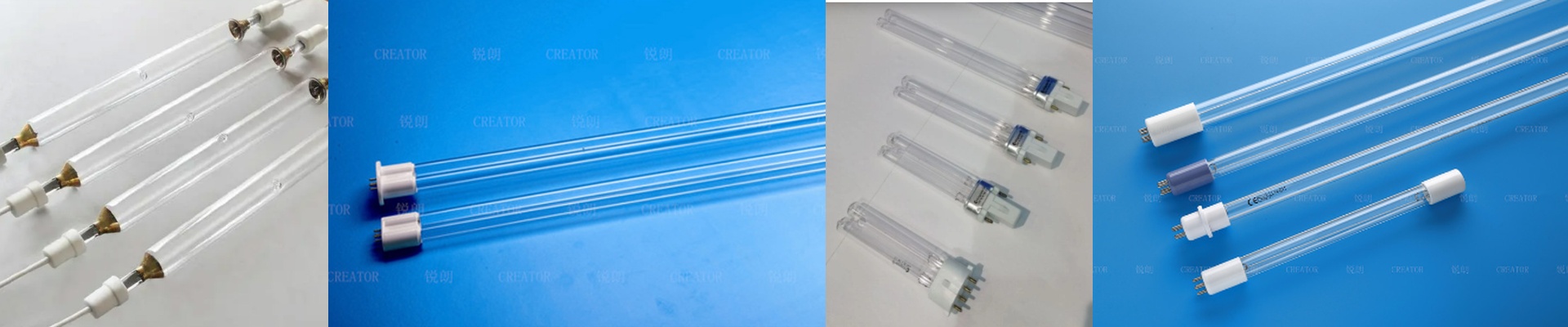
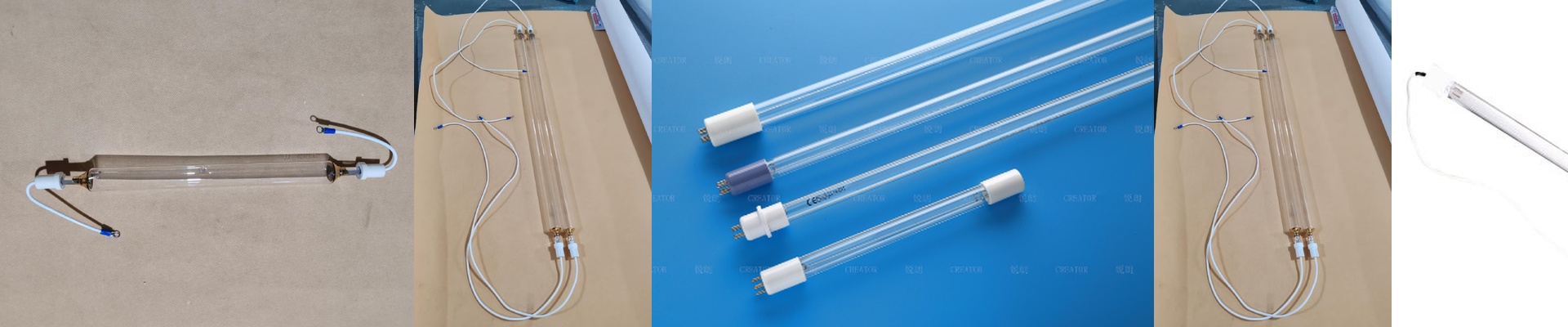
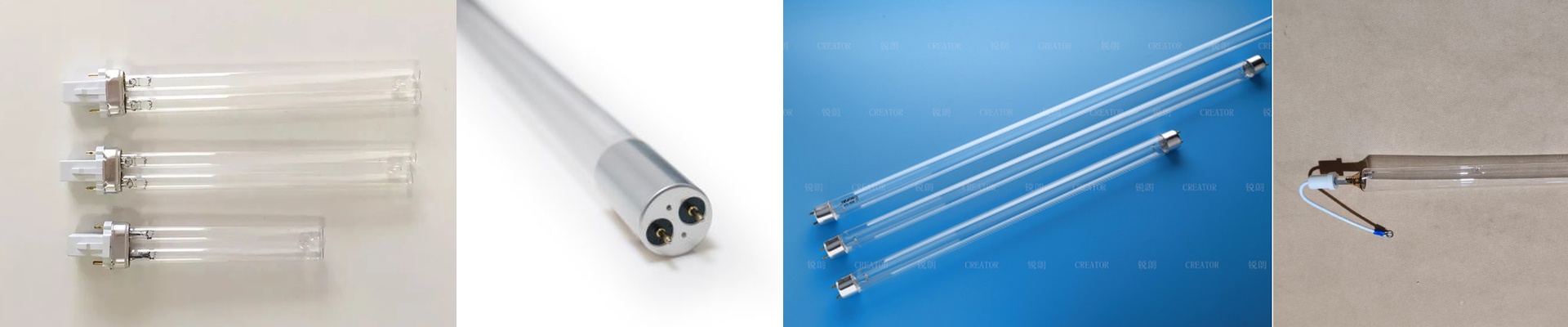
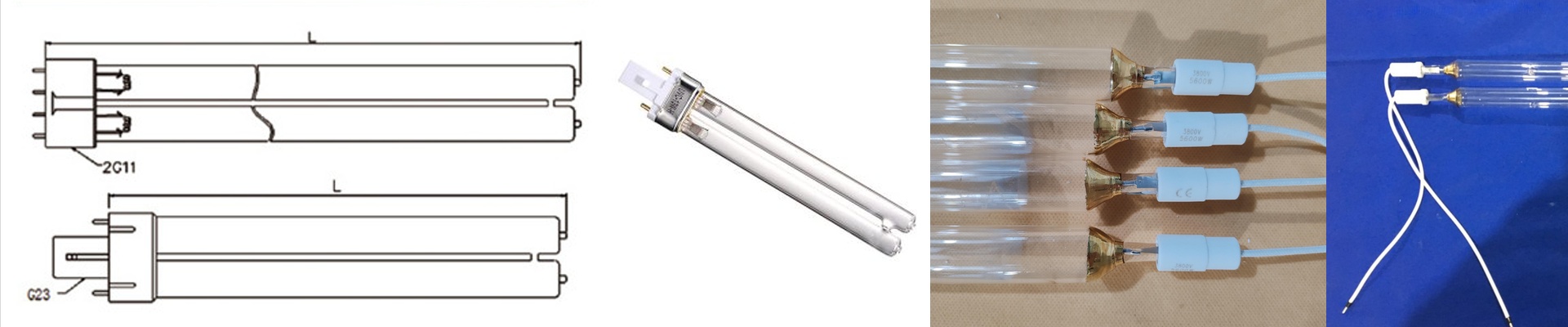
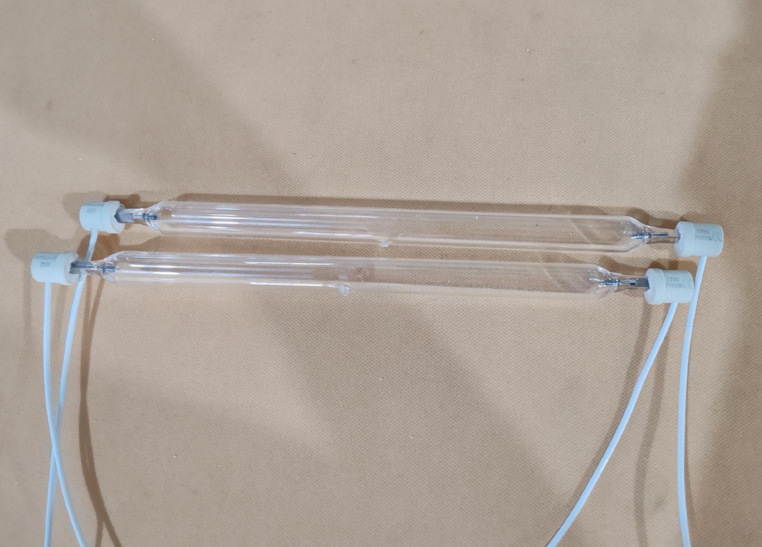
Let’s Talk About the 120W/cm Mercury UV Lamp
If you’re looking to cure inks and coatings fast, the 120W/cm mercury lamp is a heavy hitter. We designed these to pack a serious punch in a small space. Basically, it concentrates the energy so you can crank up your line speeds without having to build a massive curing tunnel that takes up half your warehouse. It’s about getting more done in less space.
Heat is the Enemy
Here is the thing: when you’re pushing 120 watts per centimeter, things get hot. Really hot. Mercury vapor lamps need that high temperature to keep the plasma arc steady, but that creates a massive thermal load. You can’t just “set it and forget it.” You need to make sure your cooling blowers are up to the task. I’ve seen too many tubes burn out way before their time just because someone blocked the airflow or let the reflectors get dirty. If the heat has nowhere to go, the quartz envelope stresses out and snaps. It’s a expensive mistake that’s easily avoided.
Why the “Patent” Stuff Actually Matters
You’ll see a lot of talk about proprietary technology and patents. It sounds like corporate fluff, but in the world of international shipping, it’s actually about protecting your skin. If you buy lamps from a supplier who just “copied” an electrode design or used a knock-off quartz formula, you’re gambling. Customs agents don’t care about your production schedule; if they spot an IP violation, they’ll seize your shipment on the spot. We own our patents on the internal geometry and the gas mix. That means when your lamps cross a border, they move through smoothly. No legal headaches, no surprise injunctions, and no waking up to find your production line dead for two weeks while you scramble for a new vendor.
The Trade-offs
Nothing is perfect. You get incredible UVC output—perfect for those stubborn, thick-film cures—but it comes with a price. These lamps are thirsty for power and they’re picky about it. If your power supply is shaky or you get voltage spikes, the arc will flicker and you’ll shave weeks off the lamp’s life. So, you get the raw power you need, but you have to commit to a stable power source and a cooling system that actually works. Fair trade? Absolutely.