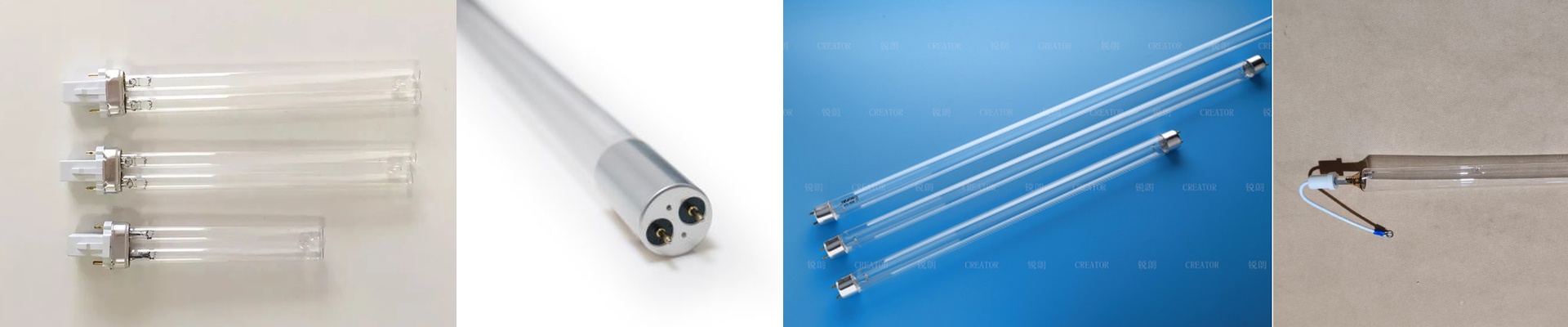
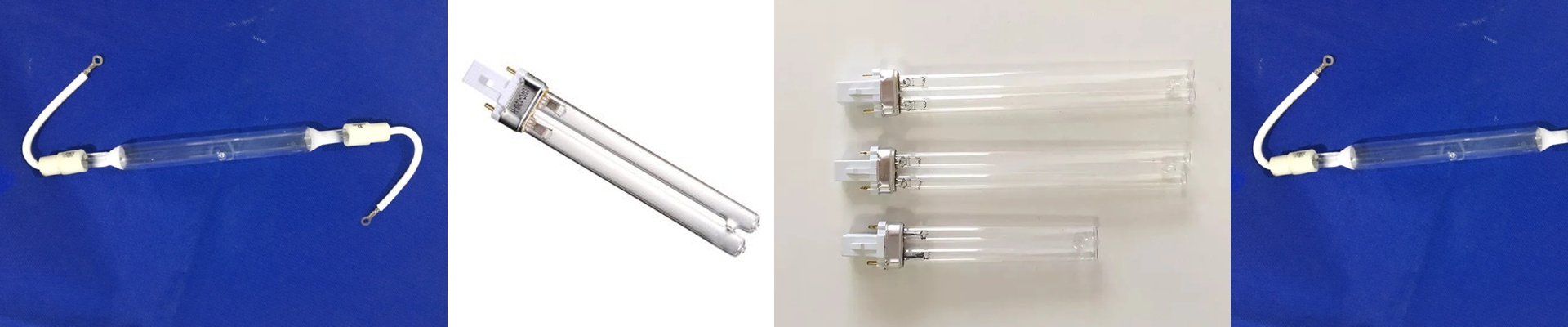
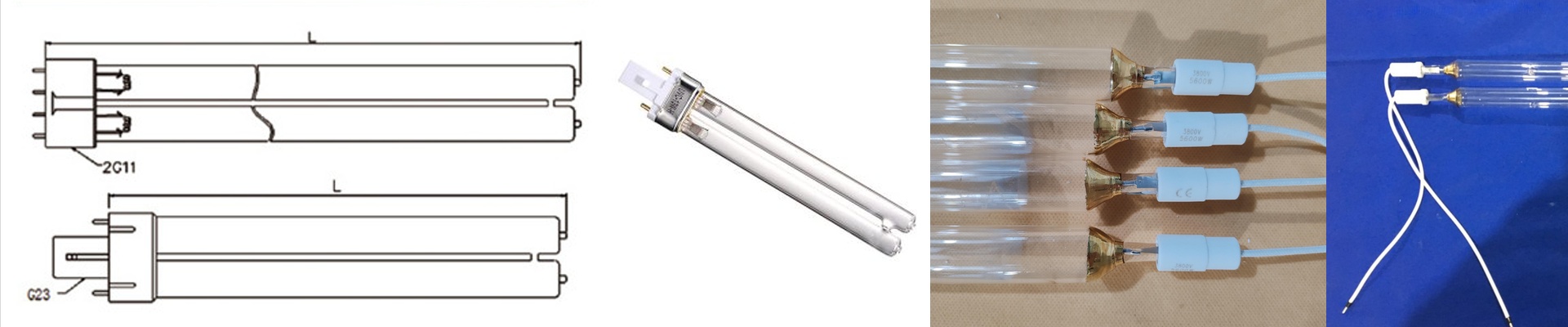
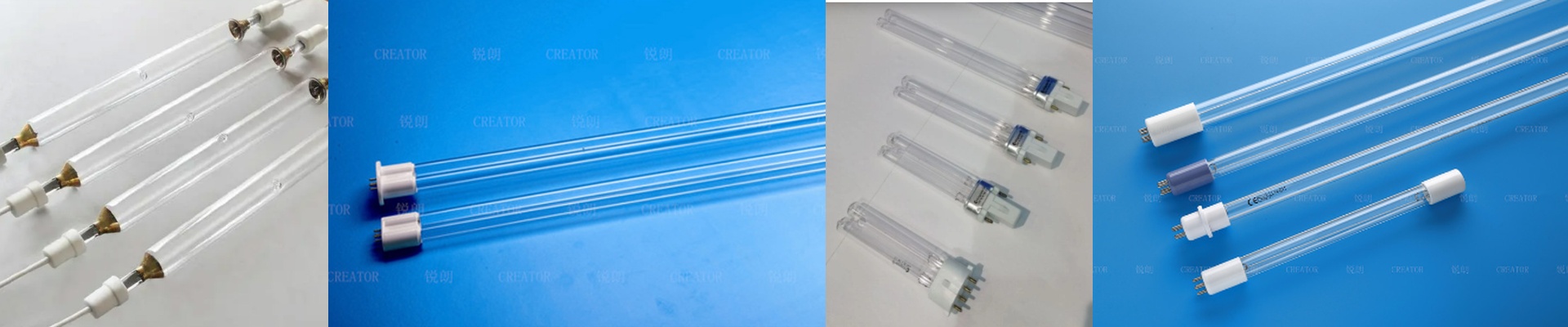
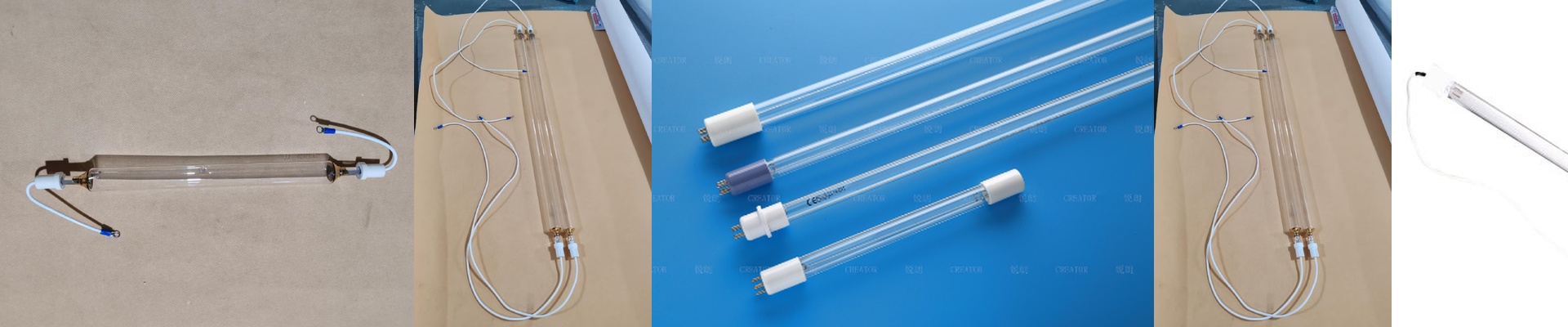
On heat-sensitive fabric lines, heat isn’t just an annoyance—it’s the defect you can’t see. When a conventional UV cure dumps thermal load into the substrate, you end up with edge curl, shrinkage, and misregister. We built our “cold source” mercury UV lamp to stop that before it starts. What matters under the hood We’re running a high-pressure mercury vapor lamp, tuned so the spectral output leans hard on 365 nm, with the IR kept on a short leash. A dichroic reflector and selective filtration cut down infrared transmission, so the substrate gets the photon energy it needs to hit the photoinitiator hard—without soaking up waste heat. Peak irradiance at the web is set to deliver 600–1200 mJ/cm² depending on the ink formulation, so you get full cross-linking without scorching. And the lamp holds its output for 2,000 hours, dropping less than 8% in UV intensity when you stay within rated power and cooling. Why it plays well on fabric Dimensional stability is the win. With less IR hitting the substrate, you stop the localized overheating that kills hand feel and tolerance. You can push higher line speeds without seeing distortion downstream, and color register stays tight because the fabric isn’t fighting thermal expansion. Energy draw comes down compared to broad-spectrum cure stacks, and lamp life stretches because the cold-source envelope keeps thermal stress off the arc tube. The details that make or break it Cold-source performance lives or dies on cooling and reflector geometry. Match the lamp to your cure window width, and keep airflow across the lamp and reflector steady—otherwise the arc tube temp climbs and the spectral balance drifts. Make sure it plays nice with your press and cure module; some legacy reflectors and power supplies under-drive the lamp and cut its life short. We provide the connector spec, lead length, and operating voltage so the install lines up with your system’s electrical envelope.