Why the best printers won’t settle for just any UV lamp
Ever notice how some printed colors just pop—like they’re lit from within? That’s no accident. In the world of premium fashion and high-end prints, the UV cure isn’t a finishing touch. It’s the moment the whole look comes together. Top print shops know this. They reach for Sylvania UV replacement lamps, tuned to a precise thermal and spectral profile. It’s how you lock in color that stays true, batch after batch, without fading or shifting.
Power, fit, and the simple art of making it all line up
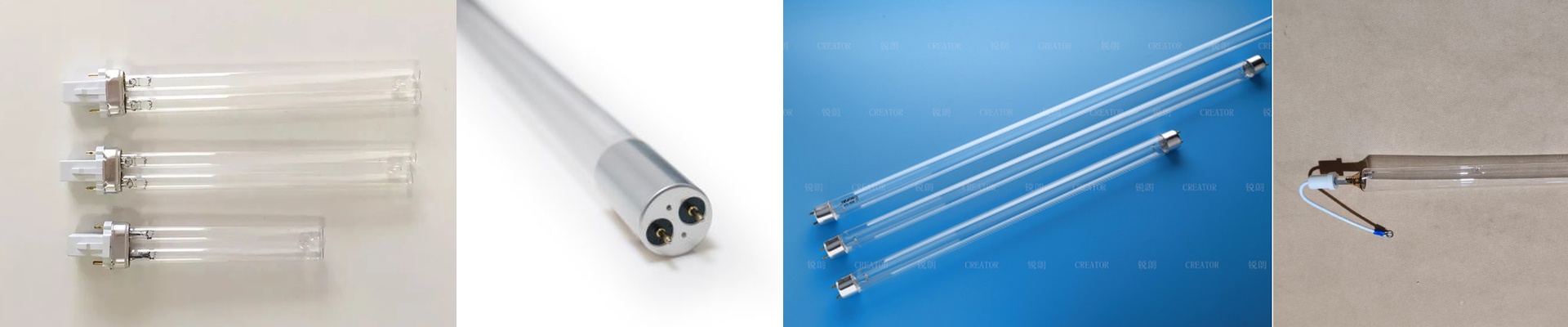
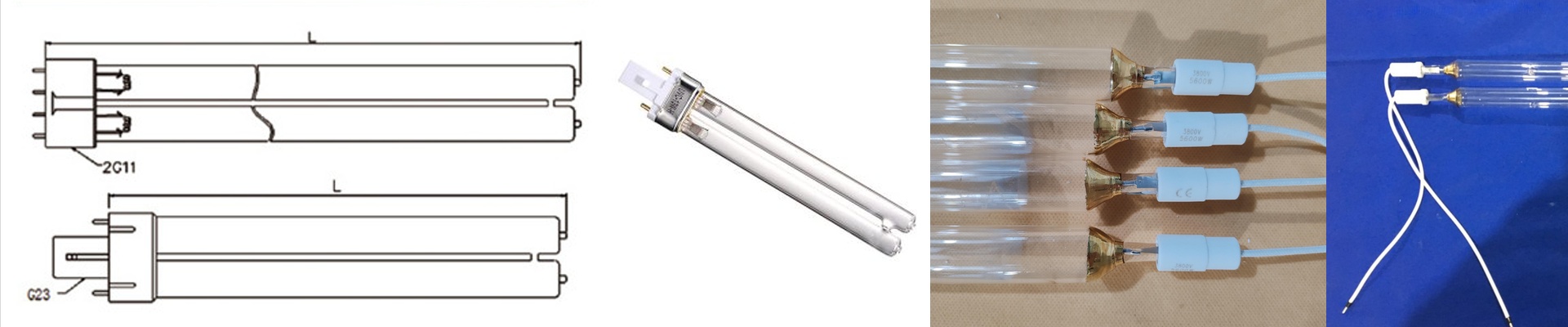
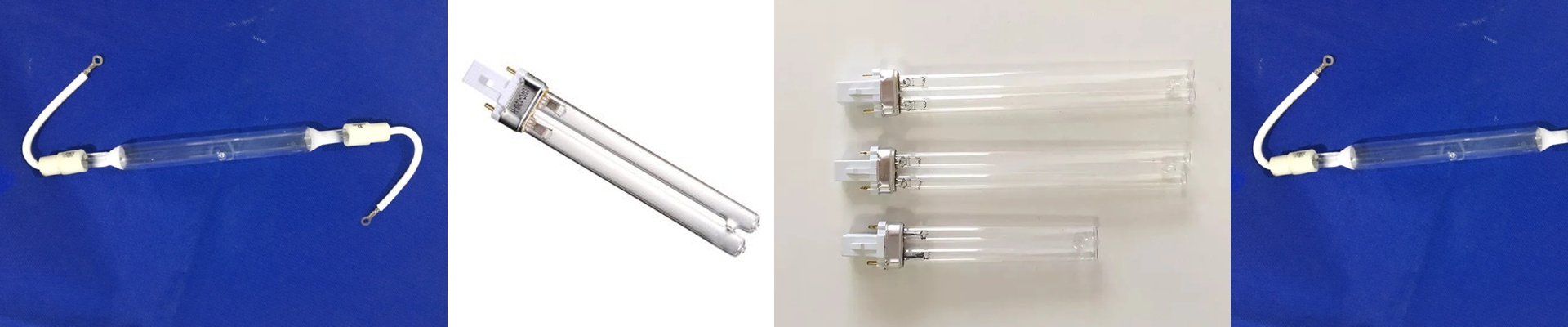
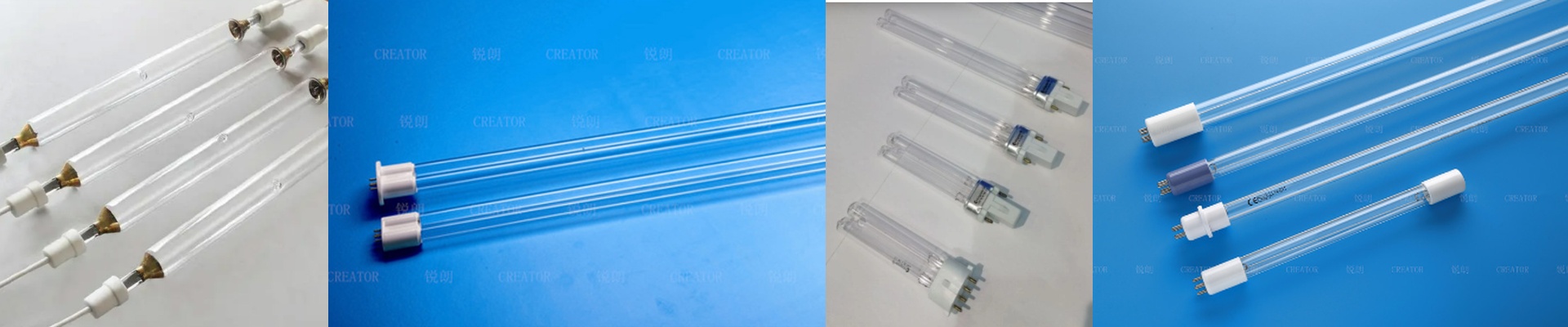
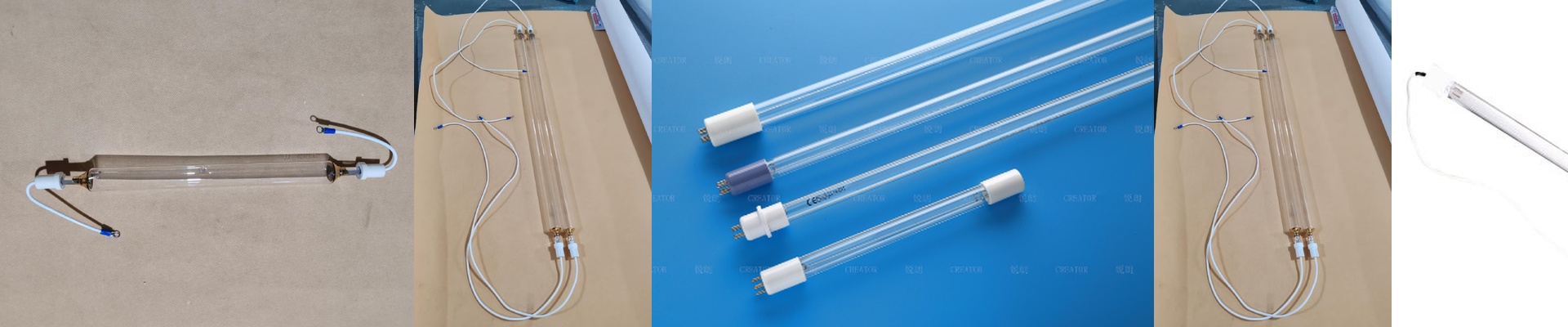
A Sylvania UV lamp is built around a very specific energy budget. If the lamp and the curing chamber aren’t matched, you’ll feel it: uneven cure, hot spots, and wasted power. These are high-voltage systems, often running 400V with 2500W of output. That gives you fast ramp-up and steady arc control—so the lamp behaves the same way, shift after shift. And the fit? Practical. The tube length is typically around 300mm, sized to match the reflector and the path of the substrate. It’s a drop-in replacement by design: same footprint, same mounting, same electrical hookup.
Built to run hot, fast, and close—without breaking
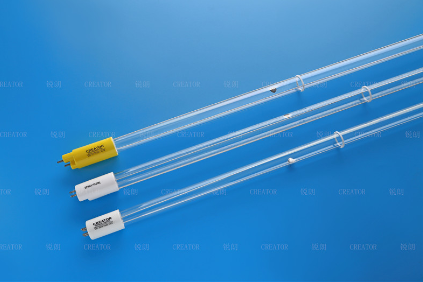
UV curing means running intense. The tube is quartz, chosen because it can handle high temperatures and repeated heating and cooling without softening. Inside, the gas fill and electrode design keep the arc stable, so output stays consistent all day. Many versions use a specialized coating to shape the UV band and cut down on infrared heat—the kind that can warp thin materials. Then there’s the connector: the R7s double-ended style. On the shop floor, it’s the little detail that saves time. It locks in alignment, carries current cleanly, and makes swapping lamps quick—no wrestling with loose terminals.
What this means when your ink hits the substrate
In premium garment and accessory printing, the goal is simple: cure the ink without changing the color you intended. A tuned UV spectrum speeds up crosslinking, which reduces bleed and keeps the pigment layer intact. The payoff? Sharper detail. Deeper color density. And repeatability you can count on, run after run. But here’s the catch: a 2500W lamp packs serious heat density. That means your cooling system needs to be up to the job. If the reflector and airflow are undersized, you can overheat the substrate—and shorten the lamp’s life.