Power and Performance: The Real Deal
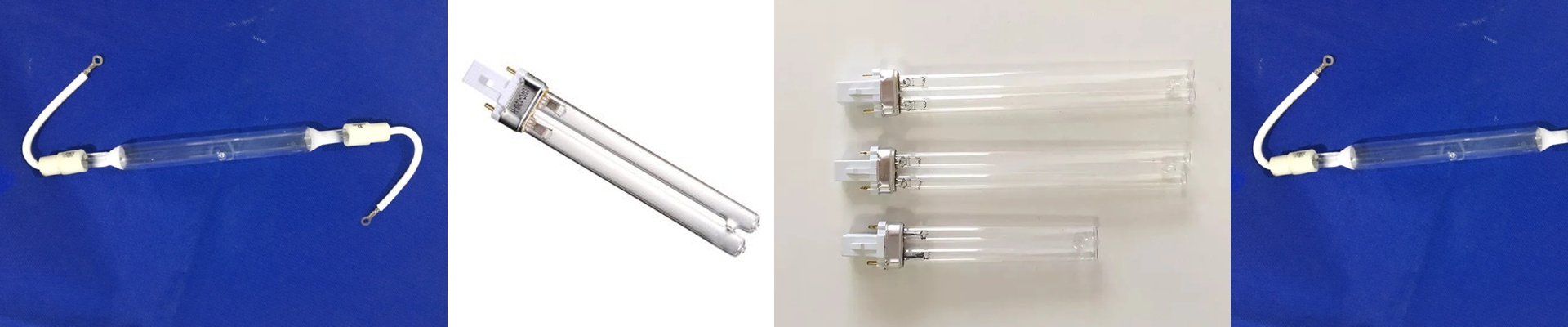
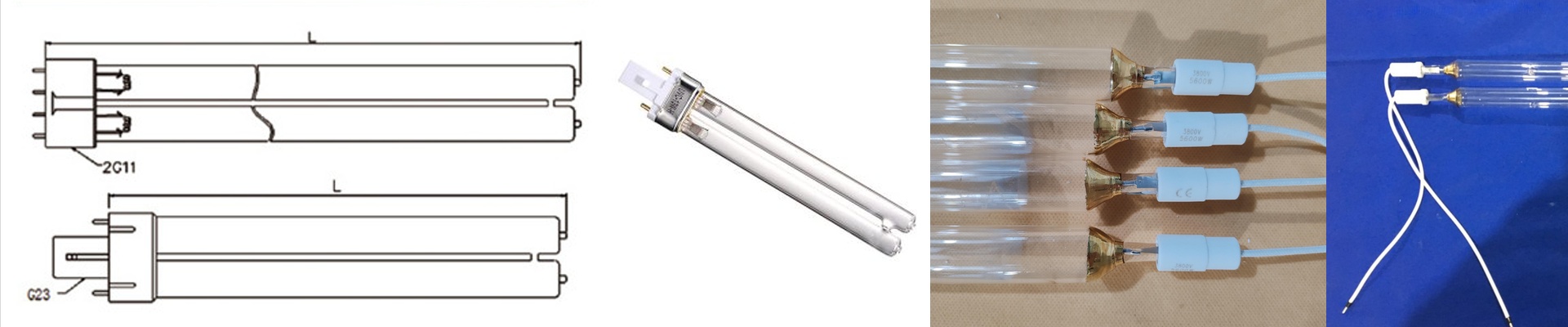
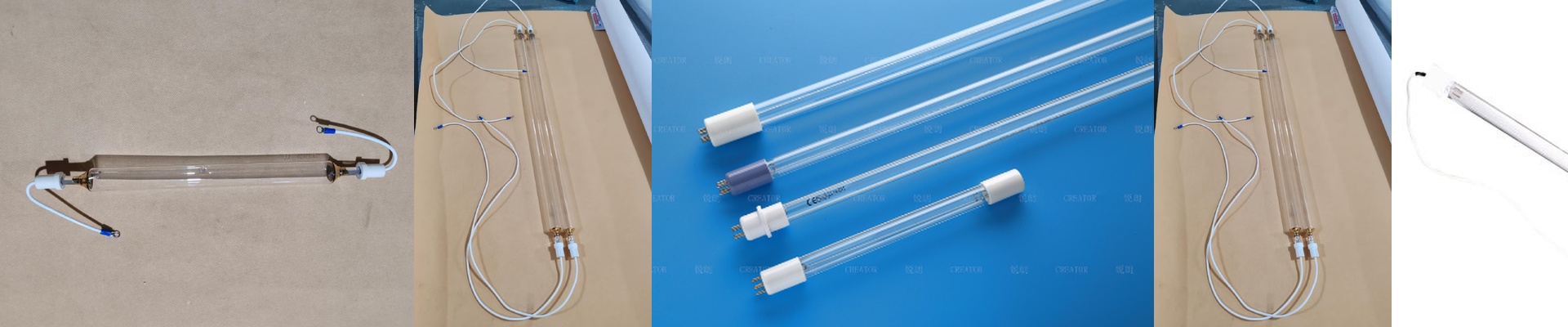
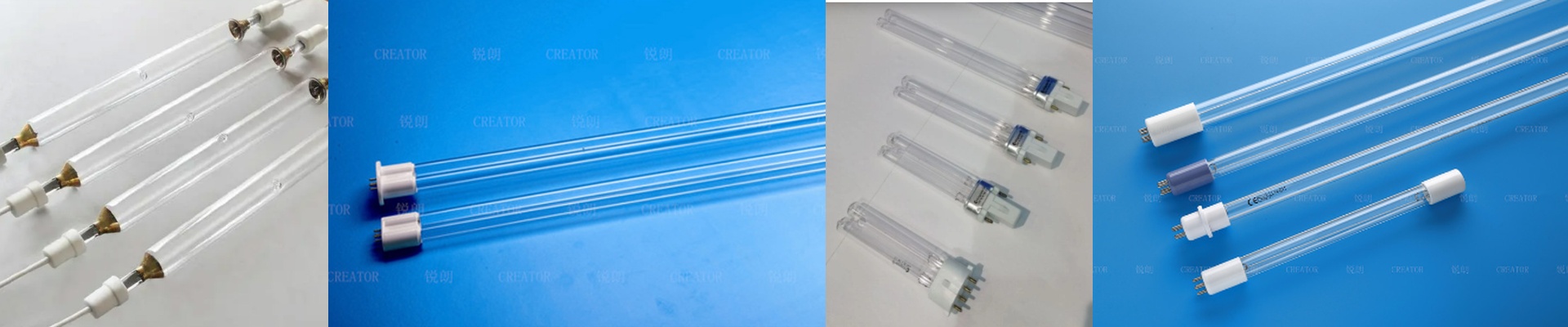
Here’s the thing about our UV lamps. We didn’t build them to just look good on a spec sheet. We built them to get the job done, right where the rubber meets the road. Our custom lamp for screen printing runs at 400V and 2500W. It’s all about packing a serious punch into a small space. That kind of power gives you the intense light you need to instantly cure your UV inks. The result? Your press keeps moving, and your line speed stays steady. And that 300mm tube length? Not an accident. It’s a deliberate choice to match the standard width of most screen frames. This means you get a perfectly even cure across the whole substrate, without using a bulky unit that’s overkill.
Built Tough for the Shop Floor
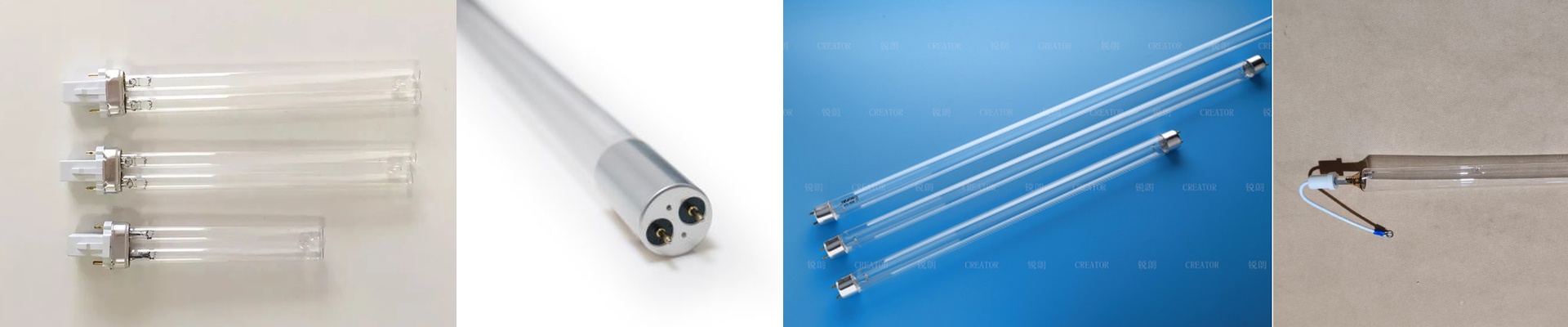
This lamp lives in a tough environment, and it’s ready for it. We use a halogen-filled quartz tube because it can take the heat and delivers consistent UV light, day after day. We also put a precision coating on it to keep the output stable and stop it from degrading over time. The R7s connector is the standard for a reason—it’s a solid, high-amperage connection that can handle the constant vibration of a running press without failing or sparking. Plus, it’s a straight-up, drop-in replacement. So upgrading your system is simple. No hassle. No headaches.
Solving the Curing Problems You Actually Face
In screen printing, the curing step is the heartbeat of your throughput. Our lamp hits the exact wavelengths needed to fully cure the ink, but without scorching the material you’re printing on. This means less time spent on setup and a whole lot less scrap. Now, a heads-up. Running at 2500W creates a lot of heat. So you need to make sure your machine’s cooling system is up to the task of handling the temperature rise. And if something does go wrong? We stand behind it. If the lamp’s performance dips outside the warranty period, our support team gets you a replacement, quick and easy. The whole point is to keep your production line humming, with downtime that’s predictable and minimal. For the folks in the know, it’s simple. You’re getting one reliable component that handles the high-energy demands of UV curing, works easily with what you already have, and comes with a clear, defined risk profile. No guesswork. Just consistent, dependable curing performance.