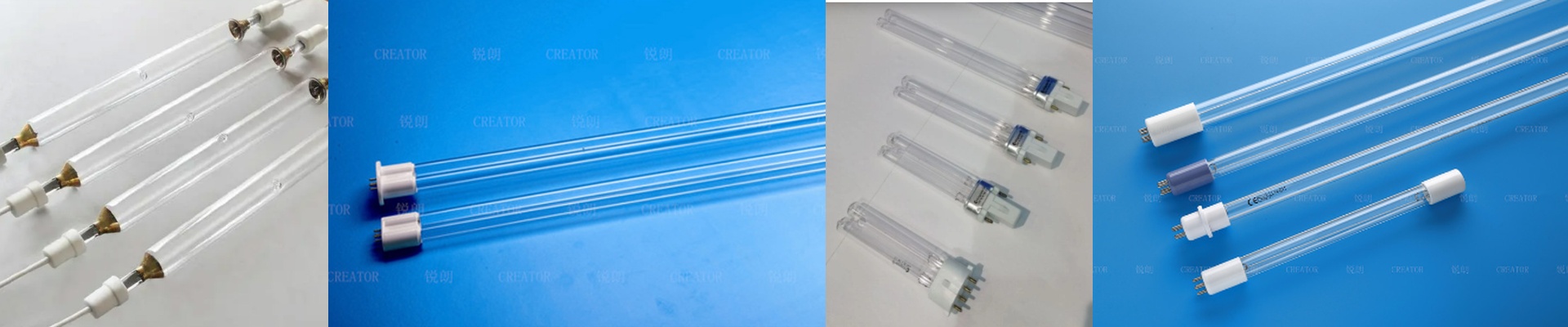
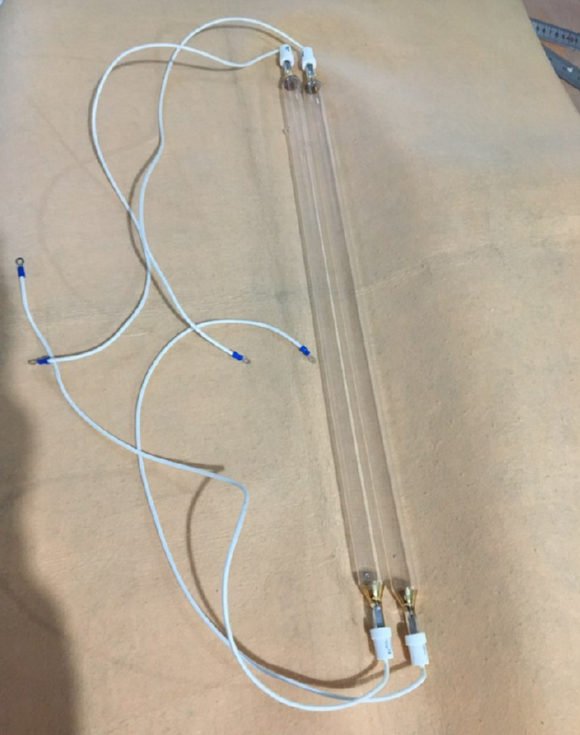
Out on the floor, the press is running at line speed, and the curing unit is where the whole job either makes it or breaks. If the lamp is underperforming, you’re staring at tacky ink, register issues, and a stack of rejects before you even get to the rewind. We don’t come in just to match a catalog number. We show up, look at the whole UV curing chain—lamp, reflector, power supply, airflow, and ink chemistry—then spec something that earns its keep in watts, joules, and uptime.
What matters, technically
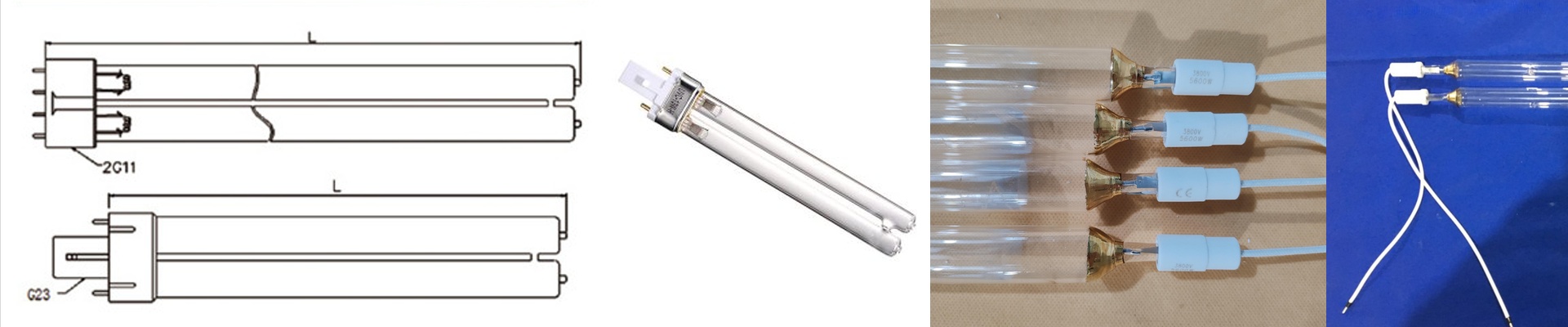
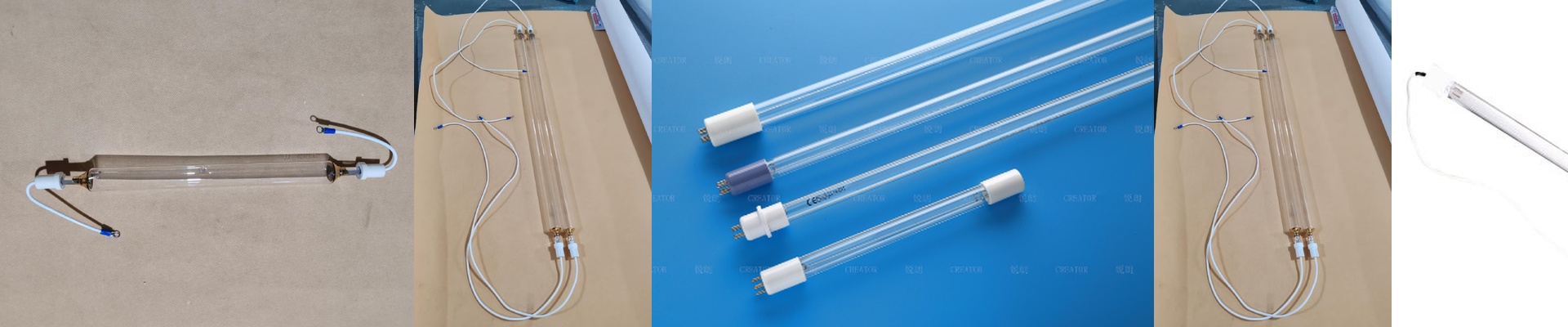
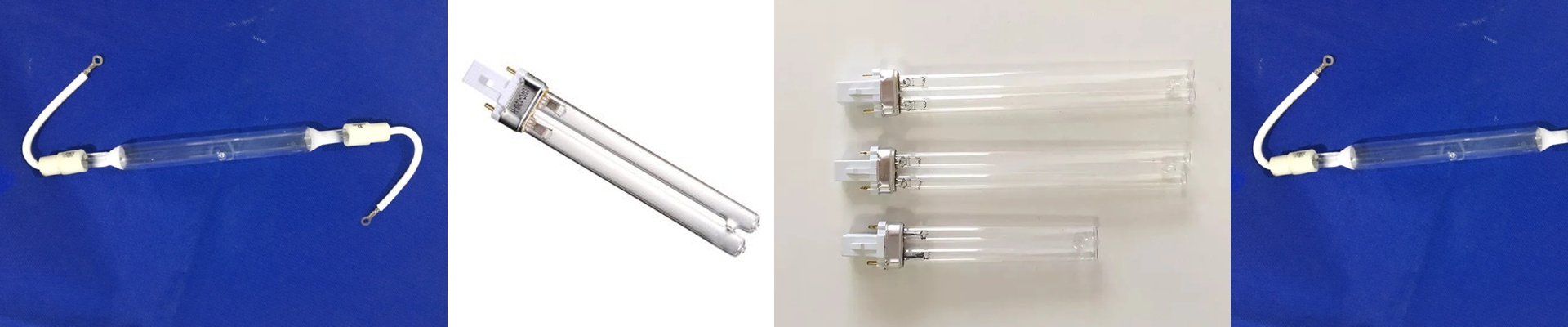
The gallium iodide UV bulb 3000W is built around a mercury vapor discharge with a tailored spectral output. The dominant peak is at 365nm, the wavelength that drives photoinitiators in most UV offset, flexo, and screen inks. A secondary output around 436nm helps with surface cure on pigmented layers, while the iodide formulation suppresses deep UV that makes ozone. These aren’t marketing points. They’re measurable operating parameters.
- **Peak irradiance:**delivered at the focal plane with a high-reflectivity dichroic reflector, typically exceeding 1,500 mW/cm² in our 3000W configuration. More photons per second into the ink film is what buys you cure speed.
- **Curing energy density:**measured in mJ/cm². At 3000W and a stable arc, the system consistently delivers the dose needed for cross-linking at press speeds that push conventional lamps into the red.
- **Spectral stability:**the 365nm peak stays centered over life. Shift into longer wavelengths is minimized, so the photoinitiator absorption match stays repeatable run after run.
- **Power density and stability:**the lamp runs at stable arc power with tight regulation. No dips that cause inconsistent surface cure, no surges that eat lamp life.
- **Lamp life and degradation:**gallium iodide chemistry reduces end-of-life blackening and slows output decay. We have units running 5,000+ hours with less than 5% output drop—assuming proper cooling and a ballast that’s matched.
- **Ozone management:**the bulb is ozone-free in practice. The glass envelope and doping cut off the short-wave UV that creates ozone, keeping the curing zone cleaner, cutting duct maintenance, and improving operator safety.
- **Reflector efficiency:**a true dichroic reflector targets 365nm back to the substrate. Reflectance stays above 90% across the 365nm band, and the geometry keeps the hot spot aligned to the print width. Here’s the reality: UV curing is photon accounting. If your ink needs 400–600 mJ/cm² to fully cure, the lamp has to deliver that dose within the dwell time under the lamp. Raise peak irradiance, and you raise the dose per millisecond. That’s how you increase line speed without turning the substrate into a pizza.
Why this works in the real world
Every industrial print floor has the same pattern: the press is fast, the ink is UV, and the curing unit is the bottleneck. You can’t fix a weak cure by just cranking the power and hoping. You match the lamp to the job, then verify the energy budget. Our gallium iodide 3000W bulb is the practical answer when you need:
- **High-speed curing without heat buildup.**The 365nm peak drives through-cure in pigmented layers and thick deposits, while the spectral balance keeps exotherm under control. The payoff is fewer micro-cracks, better adhesion, and dot reproduction that stays consistent.
- **Stable output across the run.**When peak irradiance holds steady, cure is consistent from the first sheet to the last. No more chasing tails on long runs, no more adjusting line speed to cover lamp drift.
- **Longer lamp life, fewer changeouts.**Gallium iodide is less sensitive to electrode erosion and end blackening, which means fewer lamp swaps, less downtime, and a leaner spares inventory.
- **Energy efficiency at the process level.**A 3000W lamp with a high-reflectance dichroic system concentrates energy where it does work—on the ink—instead of wasting it as broad-spectrum heat. That can reduce cooling load and lower energy draw per cured meter of substrate.
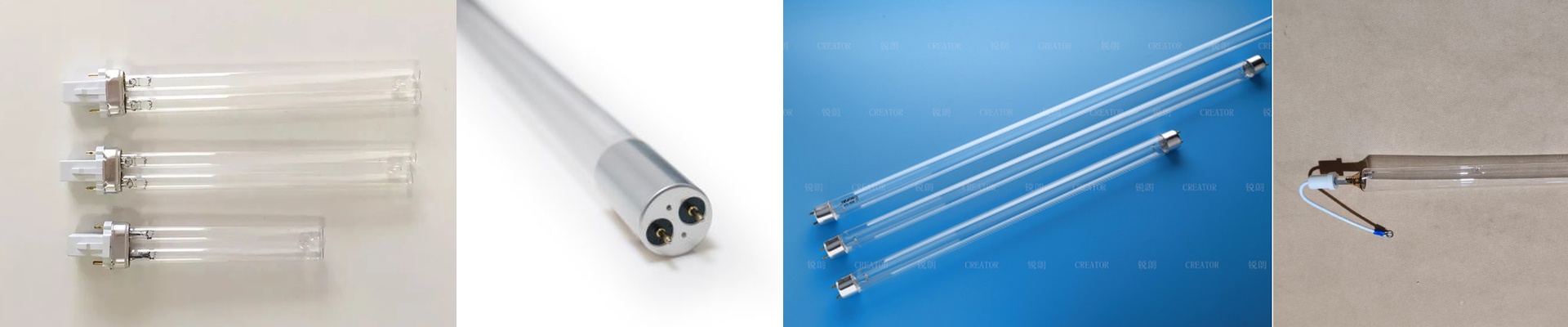
- **Compatibility with existing UV curing stations.**The bulb is engineered to fit standard high-pressure mercury lamp fixtures used in industrial offset, flexo, and screen presses. Length, arc gap, and base configuration are matched to common mounts, so the swap is straightforward. This is where the consulting approach earns its keep. We show up with a spectral radiometer, measure your current lamp output, map reflector efficiency, and check airflow and power supply response. Then we tune the system—lamp power, reflector alignment, and cooling. The bulb is one piece; curing performance is the system result.
The things you have to get right
The gallium iodide 3000W bulb is tough, but it still has real-world constraints.
- **Ballast compatibility is non-negotiable.**The lamp has to run on a ballast matched to its arc characteristics and starting voltage. A mismatch causes unstable arc power, premature electrode wear, and short life. If your power supply is older, we spec a compatible driver and verify ignition voltage.
- **Cooling has to keep up with 3000W.**The lamp makes heat, and the reflector works best when the curing chamber stays within its design temperature window. If airflow is insufficient or ducts are blocked, the lamp hotspot drifts, spectral output shifts, and output drift increases. We check airflow at the lamp and at the substrate.
- **Reflector condition drives results.**A scratched or oxidized reflector drops peak irradiance. We measure reflector reflectance and set cleaning schedules and replacement intervals. A good reflector keeps the 365nm band focused on the print, not heating the housing.
- **Substrate sensitivity is real.**Thin films and heat-sensitive materials still need controlled curing. We set lamp height and power to hit the required dose without overheating the substrate. If you run PET or thin foils, we tune energy density to cure the ink while keeping substrate temperature within limits.
- **Operating position matters for ozone handling.**Even with an ozone-free design, the lamp must be installed in the specified orientation with proper venting. That keeps any trace byproducts exhausted and prevents buildup in the curing chamber. If you want the lamp to perform, we start with a field audit. We measure your current spectral output, quantify your cure window, and align lamp, reflector, and cooling to the press and the ink. Then we deliver the bulb and the settings that make the numbers hold. When the curing unit is tuned, the press runs at speed, the ink cures clean, and rejects stop piling up. That’s the outcome we engineer. If you’re ready to stop chasing inconsistent cure and start measuring peak irradiance, 365nm output, and energy density on your line, we’ll run the diagnostics with you—on your floor, on your press.