Stop Guessing With Your UV Curing
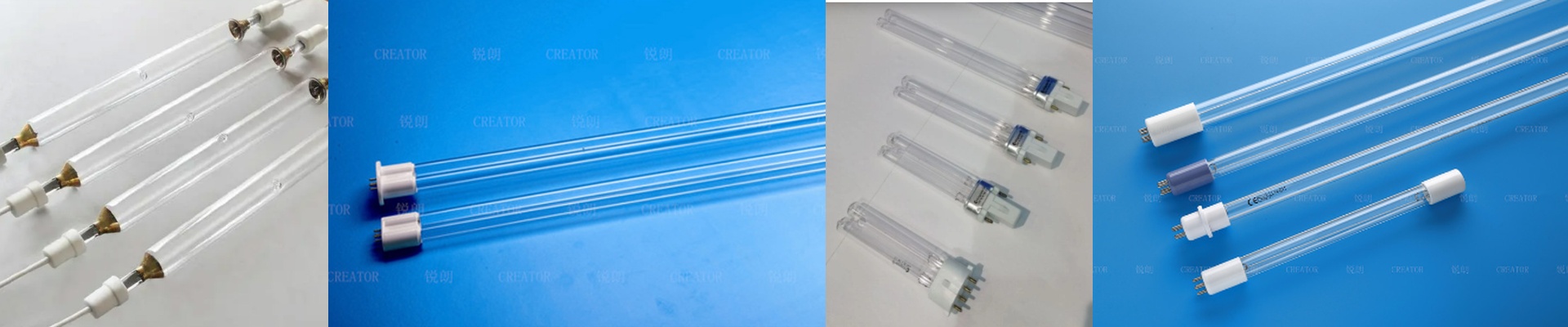
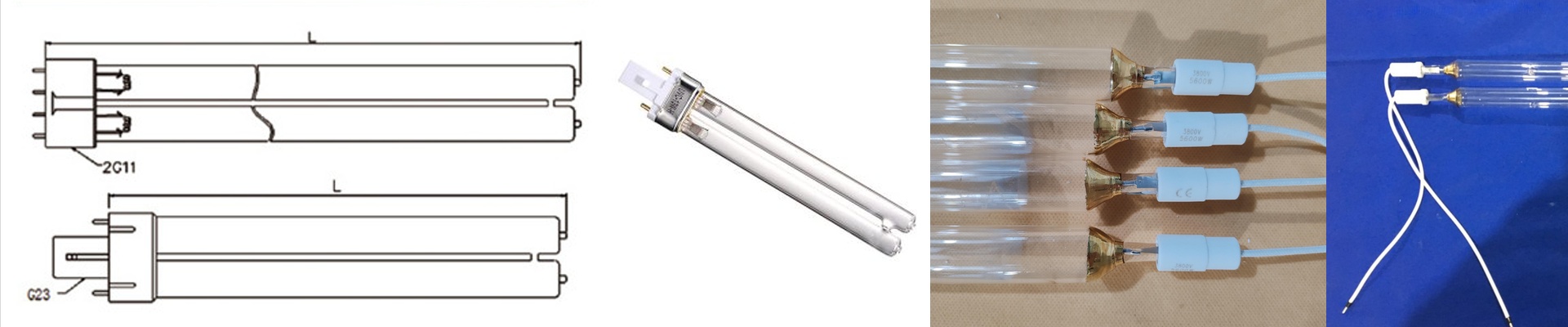
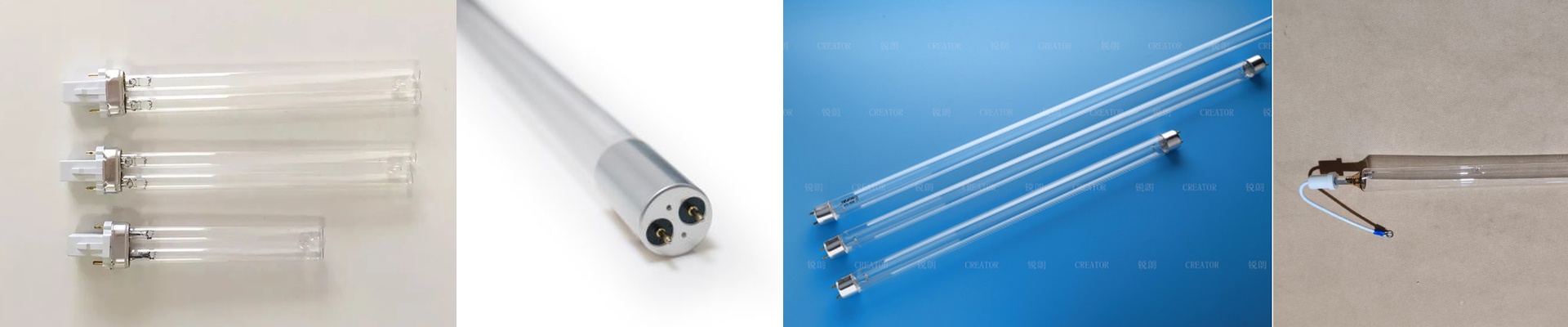
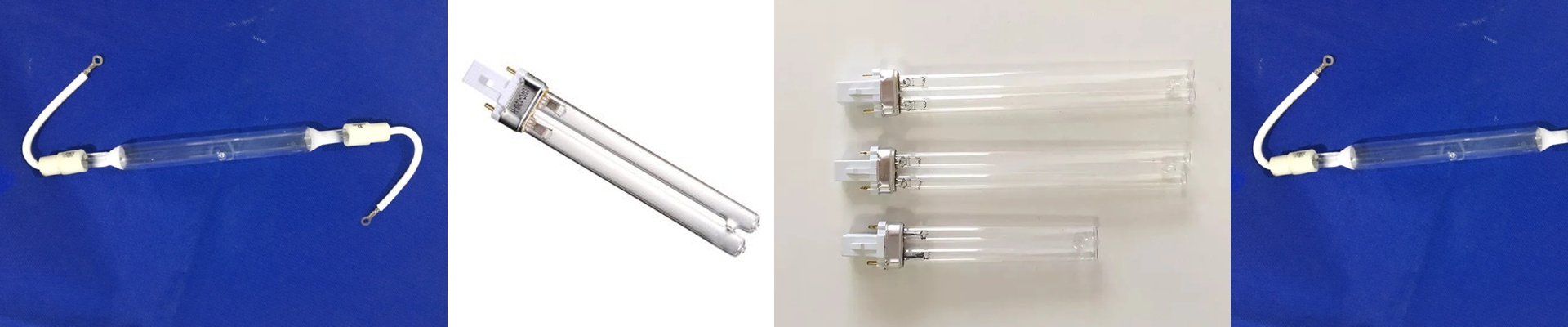
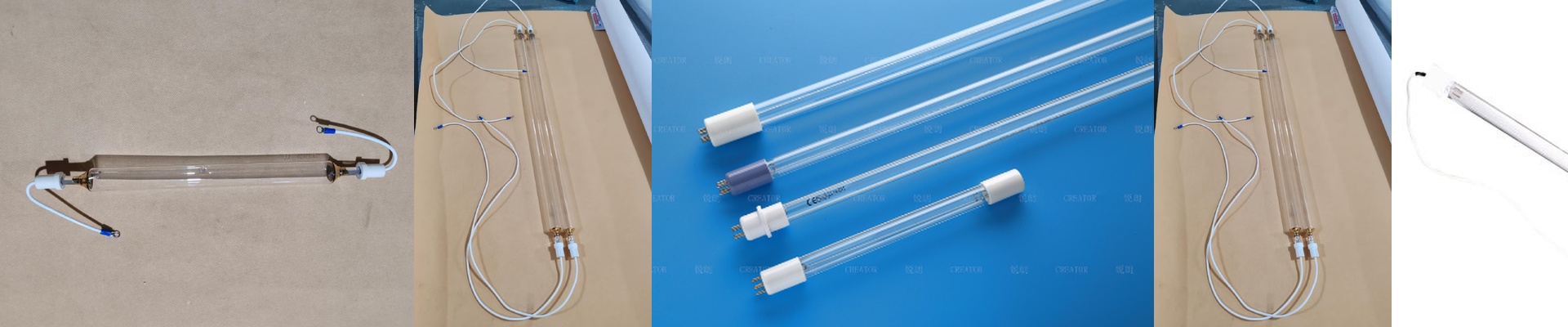
Let’s be honest: traditional mercury UV tubes are the old reliable of the shop floor. They get the job done and they do it fast. But they’re basically black boxes. You have no real way of knowing if a tube is dying until your line grinds to a halt or, even worse, a batch of product fails a scratch test and you’re left staring at a pile of scrap. We thought that was a pretty frustrating way to work. So, we decided to fix it by adding remote energy monitoring to our new long-life lamps.
The Deal With “Long-Life” Tubes
Here is how this works. We’ve tweaked the quartz and dialed in the mercury vapor pressure to stop the electrodes from wearing out so quickly. It keeps the arc stable, which means the light stays strong for a lot longer. But physics is physics. These lamps will eventually fade. The trick is knowing when. By tracking the current and voltage at the ballast, we can see exactly what’s happening inside the lamp. When the power profile starts to wiggle, it’s a tell-tale sign that the internal pressure has shifted or the electrodes are just spent.
No More Calendar Guesswork
Remote monitoring takes the “hope for the best” approach out of the equation. We use sensors to watch the actual wattage. Ever notice when a lamp starts pulling more power but the UV-C output is actually dropping? We call that “energy drift.” It’s a waste of electricity and a risk to your quality. Now, you can plug this data straight into your central PLC. Instead of swapping out tubes just because the calendar says it’s Tuesday, you only replace them when they actually need it. It’s simpler, and it cuts down on waste.
A Few Things to Keep in Mind
It’s not magic, and there are a few trade-offs. First, those smart sensors take up a bit more room in the power supply. You’ll also need a network gateway to get that data onto your screen. And here’s the catch: sensors are electronics, and electronics hate extreme heat. If you don’t have your cooling fans dialed in, you risk cooking the very hardware that’s supposed to save you from downtime. Just make sure your airflow is solid, and you’re good to go.