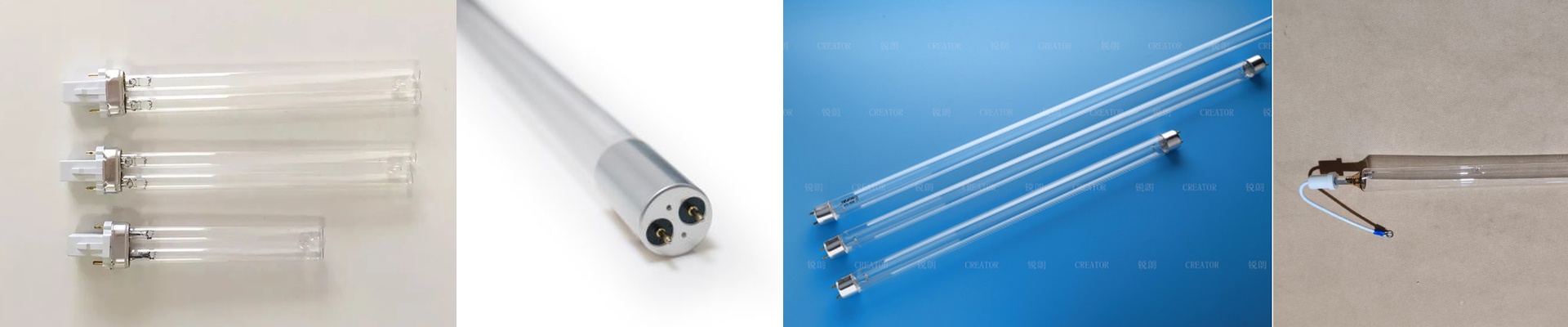
Making Mercury UV Tubes That Actually Last (For Textile Printing)
Let’s talk about UV curing. Basically, these mercury lamps take electricity and turn it into short-wave UV radiation. That’s what makes the ink on your fabric set instantly. But here’s the tricky part: in textile printing, you want the ink to dry fast, but you don’t want to burn a hole in your fabric. It’s a delicate balance between getting enough UV power and keeping the heat under control.
What’s happening inside the tube?
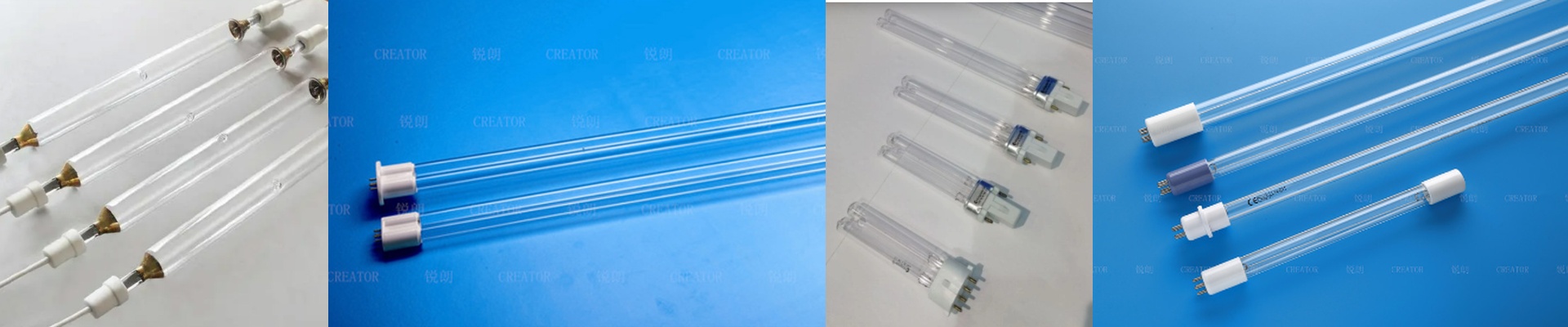
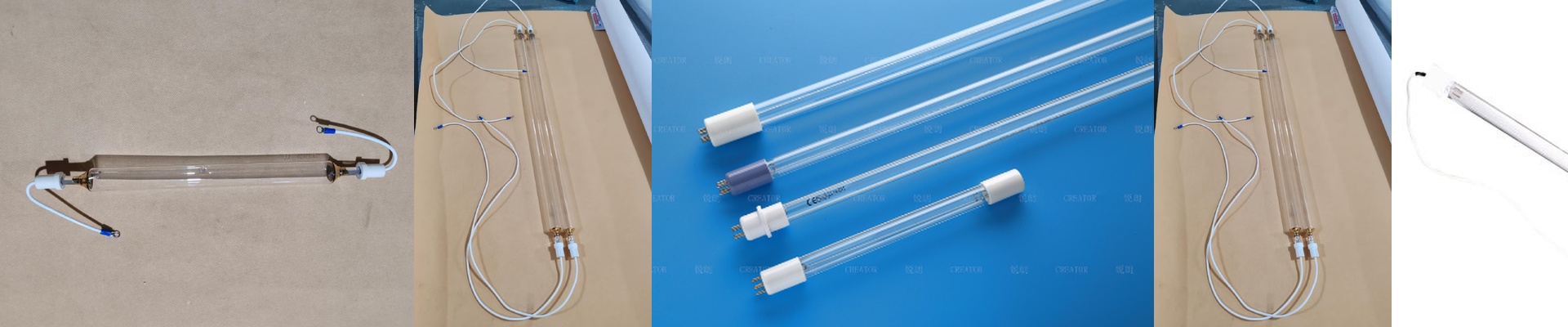
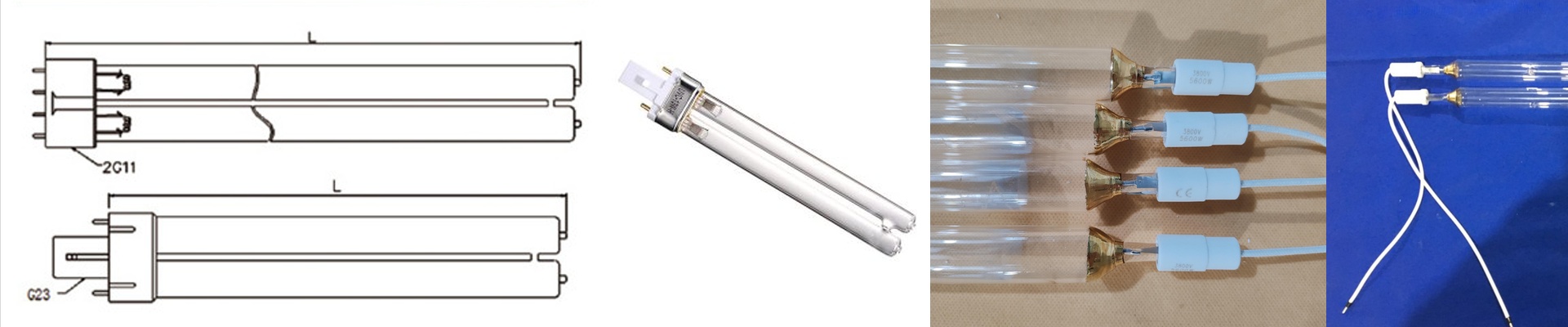
We use high-purity quartz glass to hold the mercury vapor. Why quartz? Because it lets the UV rays fly right through without getting trapped. Once you hook it up to the ballast, a plasma discharge happens. The mercury atoms get excited and start spitting out photons—mostly in that 254nm to 365nm range. To keep these tubes from dying early, we spend a lot of time getting the gas pressure just right. If it’s off, the electrodes burn out way too fast. No one wants to be replacing tubes every few weeks.
The battle with heat
High-wattage tubes are powerful, but they’ve got a downside: they put out a ton of infrared heat. It’s a trade-off. You get those lightning-fast curing speeds, but if you aren’t careful, that heat will warp your printing plates or shrink the fabric. To stop that from happening, we recommend using a focused reflector system. It pushes the UV energy straight down onto the textile and keeps the heat from lingering where it shouldn’t.
Keeping things running
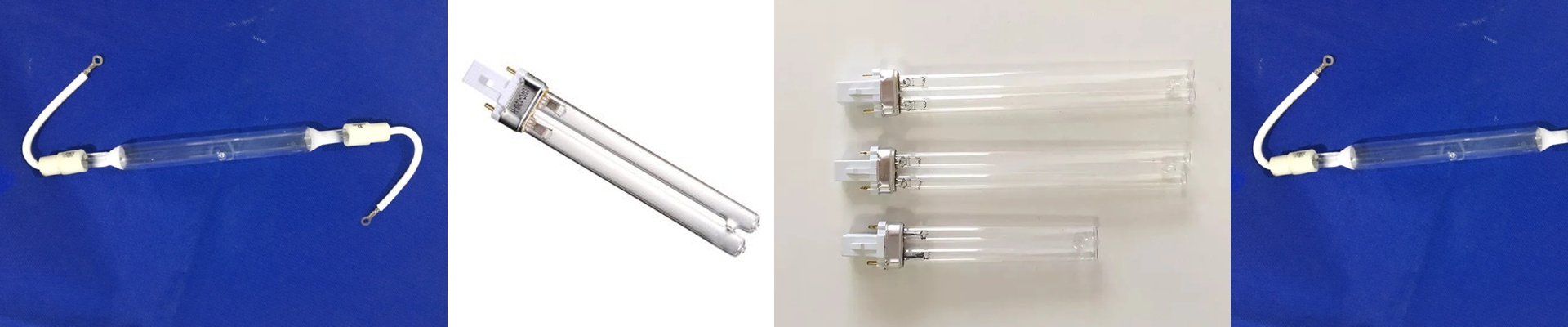
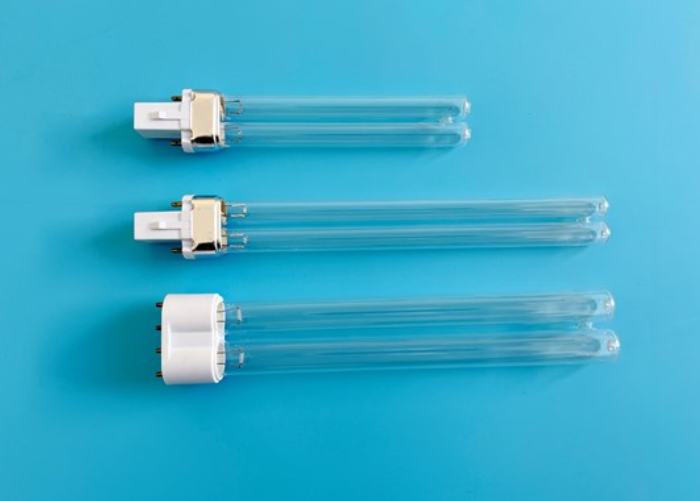
Our tubes are designed to be simple drop-in replacements for most industrial arrays. They just fit. But a word of advice: check your cooling fans. If the housing gets too hot, the quartz glass can stress and eventually crack. It’s a mess you don’t want to clean up. I’d suggest checking your output intensity every 500 hours. Mercury degrades over time, and when it does, your curing slows down. If you start noticing the ink feels “tacky” or sticky to the touch, that’s your sign. The tube is done. Swap it out. And one last thing—keep the glass clean. Seriously. Even a single fingerprint can create a “hot spot” that shatters the tube while it’s running. Keep it spotless, and it’ll treat you right.