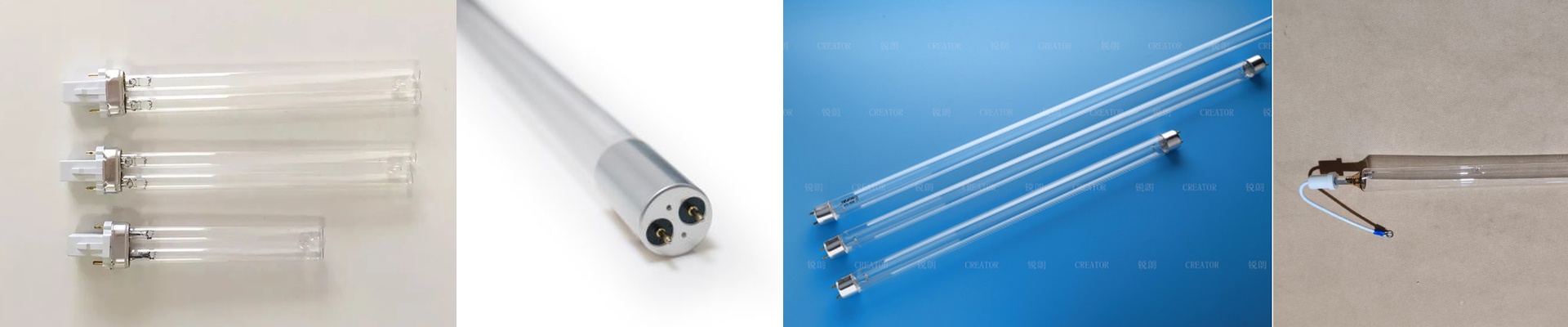
Stop Guessing Your Cure Speed: Why Custom UV Modules Actually Work
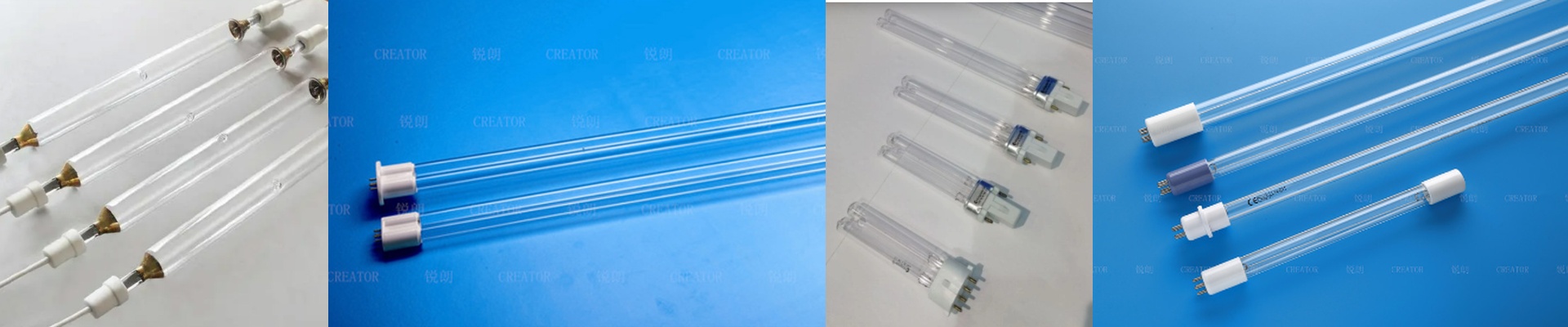
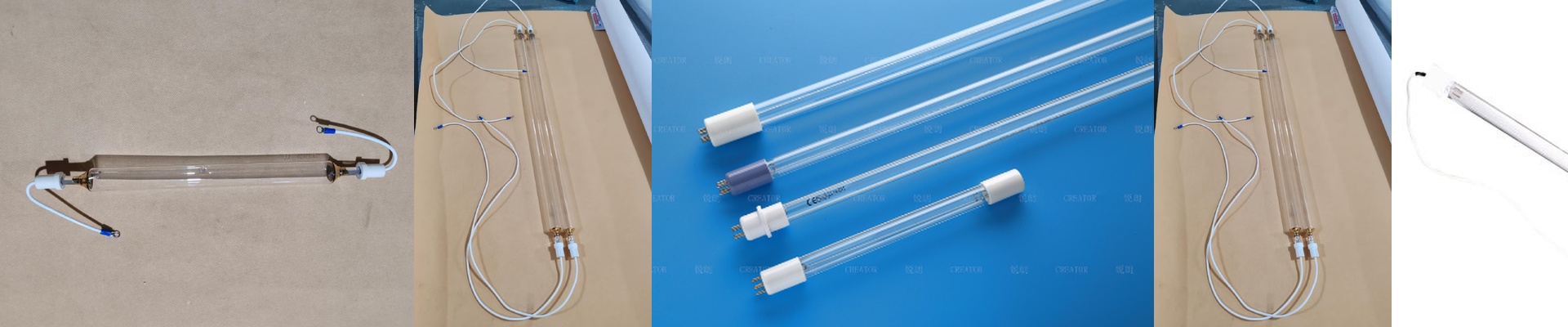
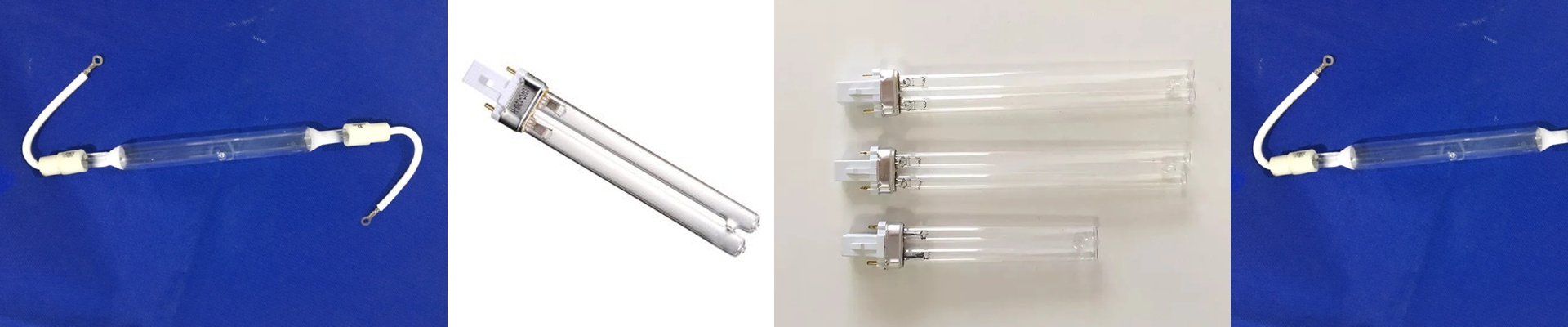
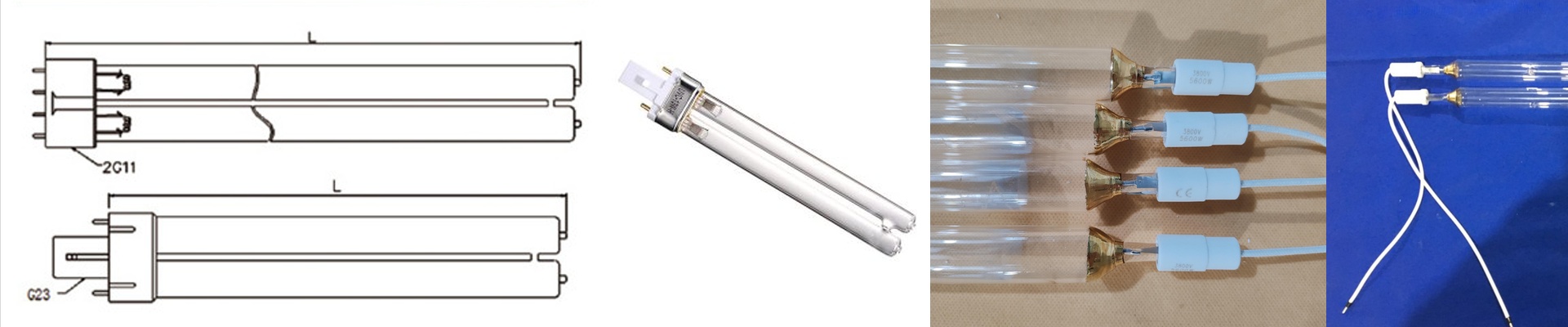
We spent some time at the 2026 Printing Expo talking to shop owners, and the same headache kept coming up: the struggle to get the cure just right. You know the feeling. You’re either dealing with “under-cured” ink that smudges and ruins a job, or you’ve “over-baked” the substrate until it warps. It’s a frustrating tightrope to walk. The problem is that generic bulbs are just that—generic. We do things differently. We tweak the mercury vapor pressure and the thickness of the quartz sleeve to match exactly how fast your press is running. The secret is in the light. Most industrial bulbs struggle to keep their power steady from one end to the other. That’s how you get those annoying “cold spots” on your sheets. We build our modules to stay consistent. When you go with a high-wattage setup, you’re basically flooding the ink with photons. It sounds technical, but the result is simple: you can crank up your conveyor speed and still walk away with a perfect cure. Getting it into your machine We use high-purity fused quartz because standard glass just blocks the good stuff (the UV-C and UV-B wavelengths). If the light can’t get out, it’s useless. And honestly, nobody wants to spend a weekend rewiring a ballast rack. That’s why we make these “drop-in” replacements. They just fit. We also obsessed over the reflectors. By tightening the geometry, we make sure the light actually hits the ink instead of wasting energy heating up the inside of your machine frame. A quick word on the heat Here’s the catch: high-output lamps get hot. Really hot. If you run them at full tilt without a plan, your substrate might warp. You’ll need a solid cooling system—whether that’s forced air or chilled water jackets—to pull that heat away. If the heat stays trapped, the bulb burns out way faster than it should. We’ll give you all the thermal data you need so you can make sure your cooling can handle the wattage. It keeps the arc stable and means you aren’t replacing bulbs every five minutes.