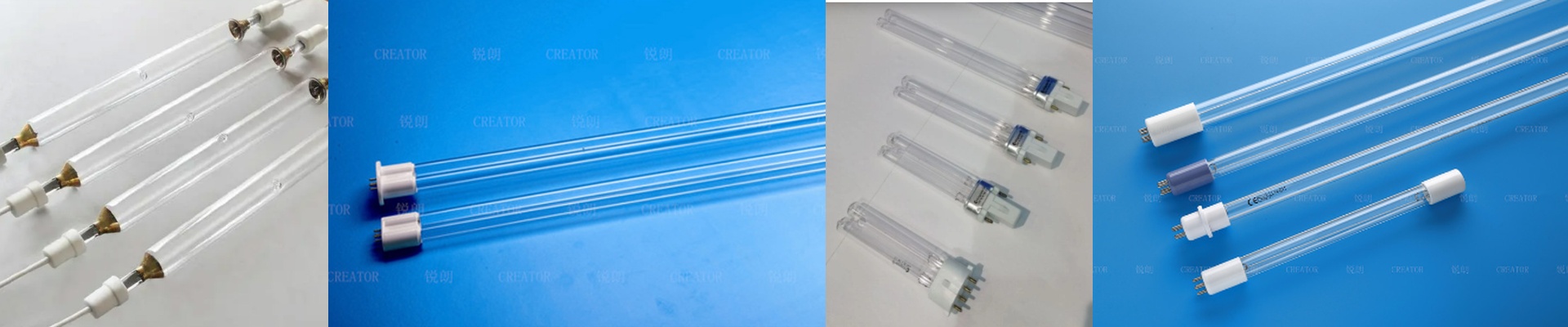
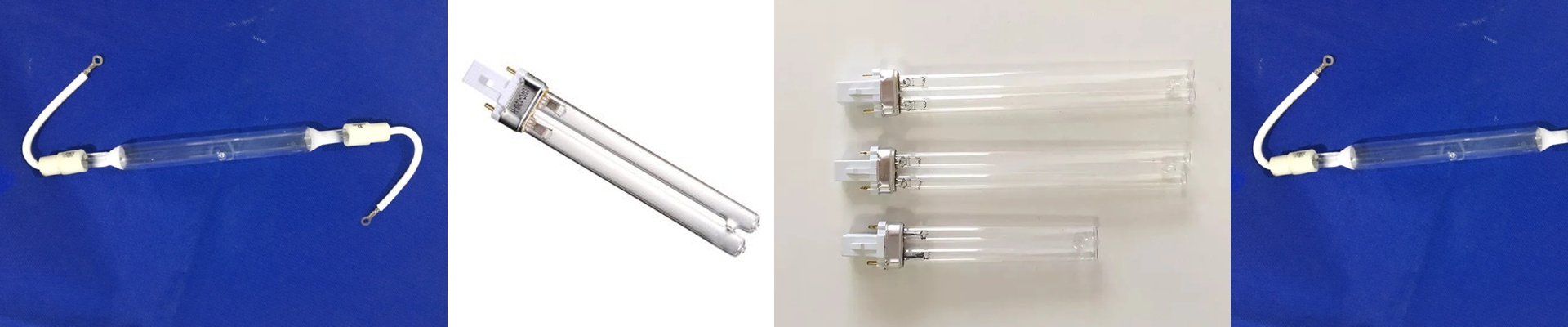
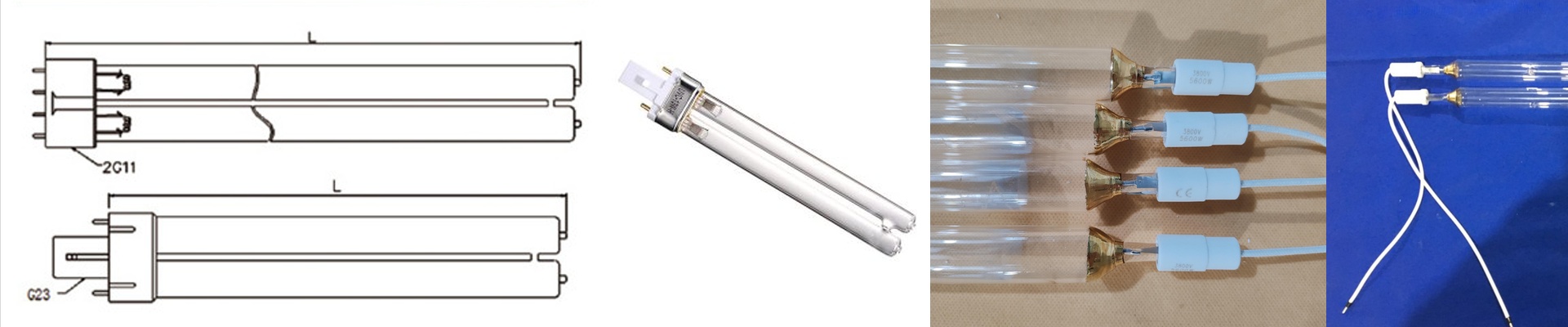
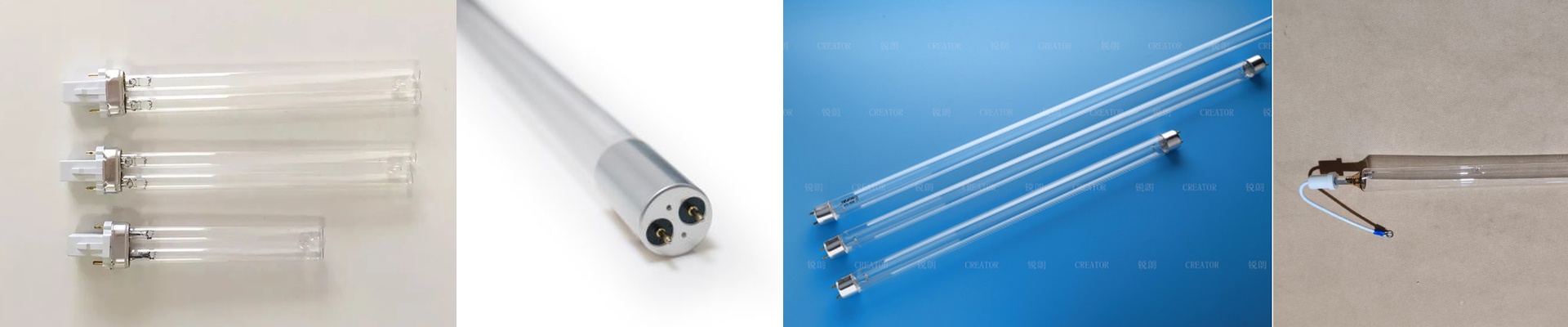
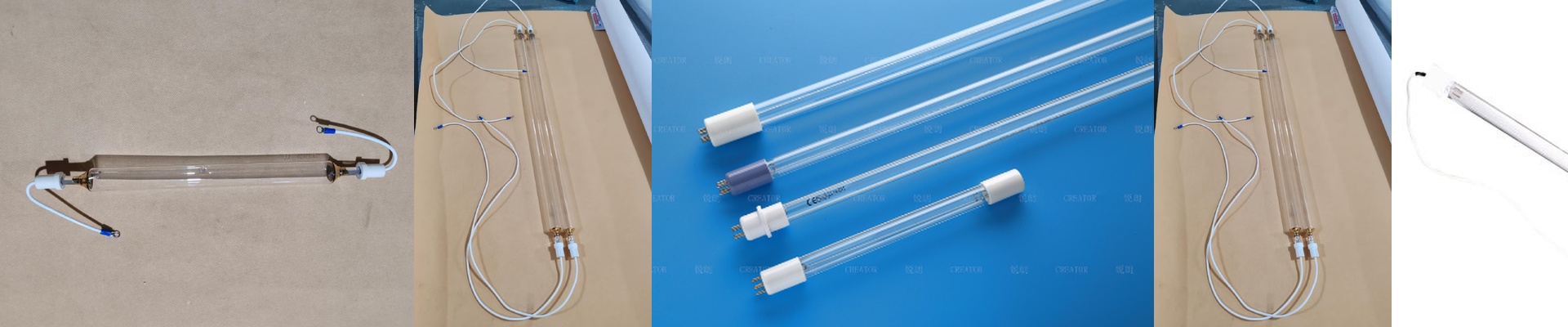
Let’s talk about replacing your industrial UV lamps
Here is the truth: swapping out a UV lamp isn’t as simple as finding a part number that matches and plugging it in. If the spectral output doesn’t play nice with your resin’s photoinitiator, you’re headed for trouble. You’ll either end up with a sticky, under-cured mess or, worse, you’ll scorch the surface of your product. That’s why we build our replacements to hit—or even beat—the power levels you’re used to from those big-name, Tier-1 brands.
Power, heat, and the balancing act
The real magic of a UV lamp happens in the balance between wattage and arc stability. When you’re looking at UV-C or UV-V output, it’s tempting to just crank up the wattage to get those line speeds higher. But there’s a catch. Pushing too much power puts a massive strain on your ballast. And if your cooling fans aren’t up to the task, you’ll start seeing the ends of the tubes darken and burn out way too soon. We calibrate our lamps so the power is spread evenly across the whole tube. No “cold spots” in your curing tunnel, just a consistent cure from start to finish.
The nitty-gritty of the fit
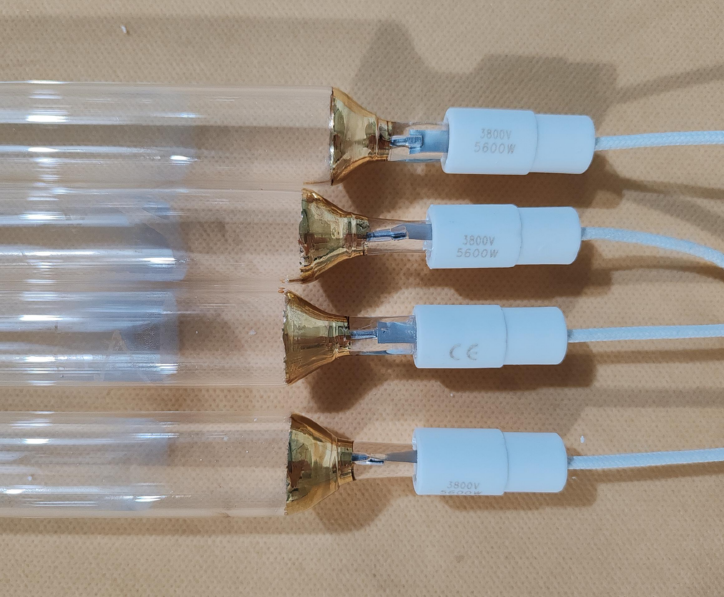
A replacement lamp has to fit perfectly. Period. Whether you’re dealing with R7s or SK15 connectors, the tolerances need to be spot on. Why? Because a loose connection creates arc gaps. Those gaps lead to overheating at the pins, and that’s a fast track to total failure. We use high-purity quartz glass to make sure as much UV light as possible gets through. Less energy wasted as heat means more photons actually hitting your coating.
A few things to keep in mind
High-intensity lamps put off a lot of heat. Our lamps hit the benchmarks you need, but you’ve got to keep an eye on your conveyor speed. If you run the line too slowly with a high-output lamp, you risk warping your substrate. It’s a delicate balance. We’re confident our lamps perform just as well as the expensive brand names. If the cure depth isn’t hitting your specs, we’ll give you your money back. Simple as that.