Getting the Wavelength Right: A Look at Gallium Iodide UV Lamps
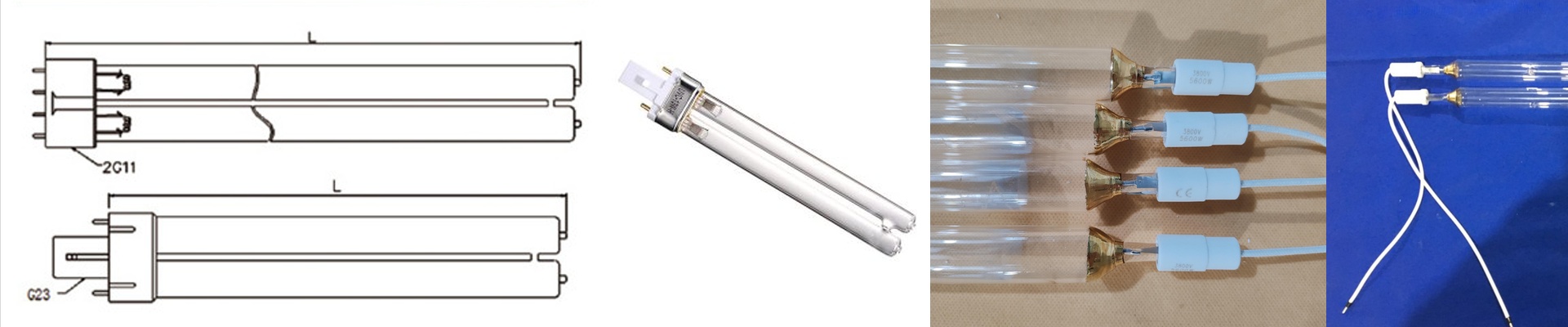
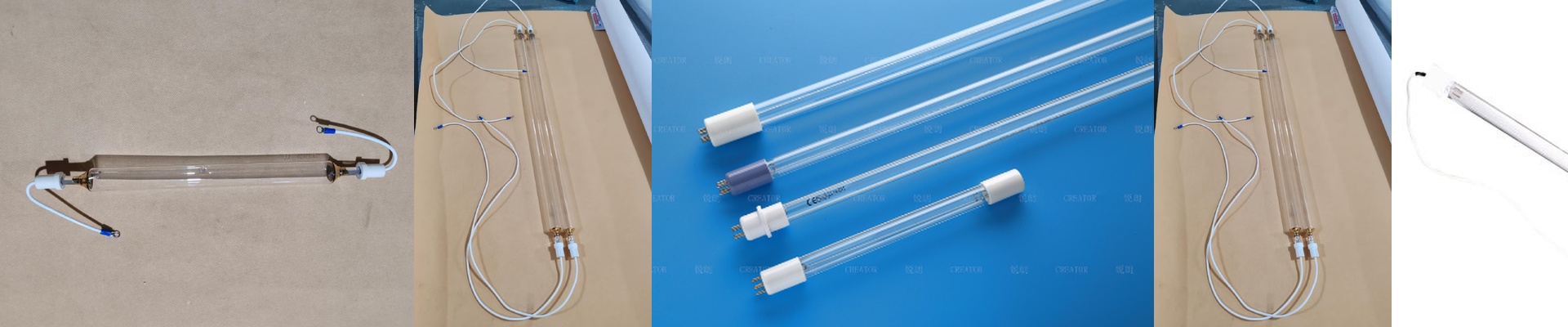
Sometimes, a standard mercury vapor lamp just doesn’t cut it. You might be working with a specific photo-initiator or trying to cure something deep inside a material, and that 254nm peak just isn’t hitting the mark. That’s where our gallium iodide (GaI) lamps come in. We build these for the tricky jobs where you need to shift the energy profile to get the job done.
The Secret is in the Fill
It all comes down to what’s inside the tube. We spend a lot of time tweaking the gas pressure and the gallium concentration to nail a very specific peak wavelength. It’s a finicky process. If the fill density is even slightly off, you’ll start seeing “dark spots” or notice the wavelength drifting at the ends of the lamp. Not ideal. We make sure it’s balanced so the light stays consistent from one end to the other.
Dealing with Heat and Glass
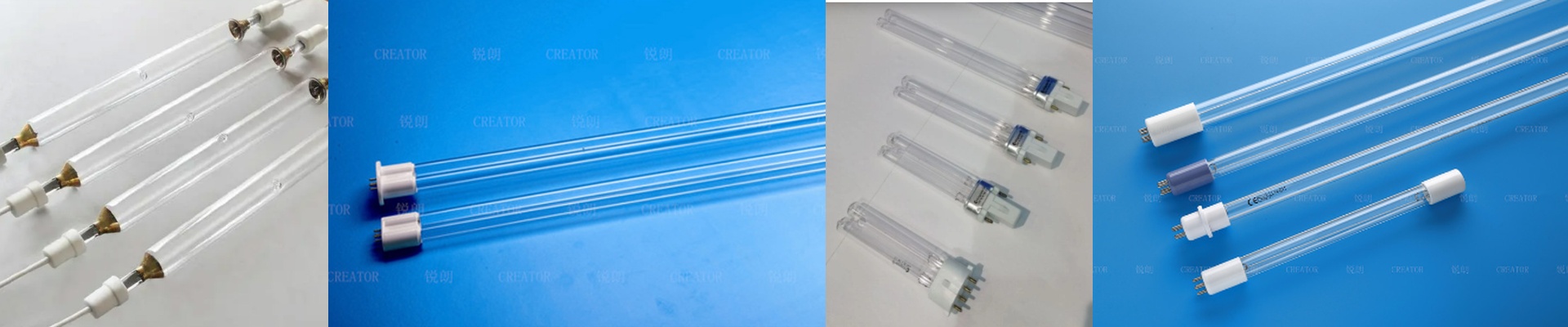
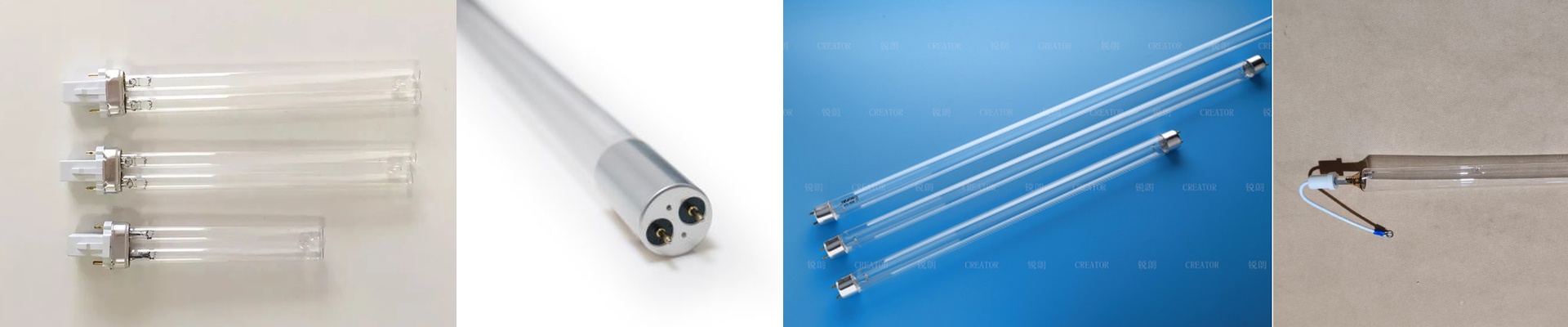
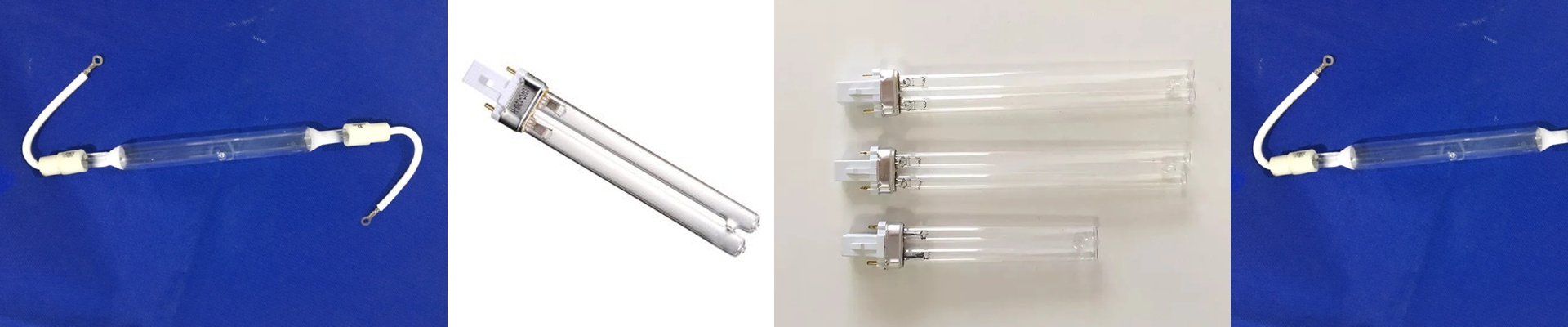
We use high-purity fused quartz for the housing. Why? Because regular glass would just soak up the UV light before it ever left the lamp. But here’s the thing: these lamps runhot. To keep that plasma state stable, the quartz and the electrodes have to expand and contract together perfectly. If you’re looking at a high-wattage GaI lamp, you’ll notice it takes up a bit more space. That’s on purpose. If you try to cram too much power into a short tube, you’ll burn through your electrodes way too fast.
The Trade-offs (Because nothing is perfect)
When you’re putting these into your production line, pay close attention to your reflectors. GaI lamps don’t throw light the same way standard UV tubes do. If your geometry is off, you’re just wasting energy. And just a heads-up: these don’t last as long as mercury lamps. You’re trading longevity for that specific wavelength, so expect to swap them out a bit more often. One last tip? Use a stable ballast. You don’t want any flickering—that’s a quick way to ruin a cure cycle.