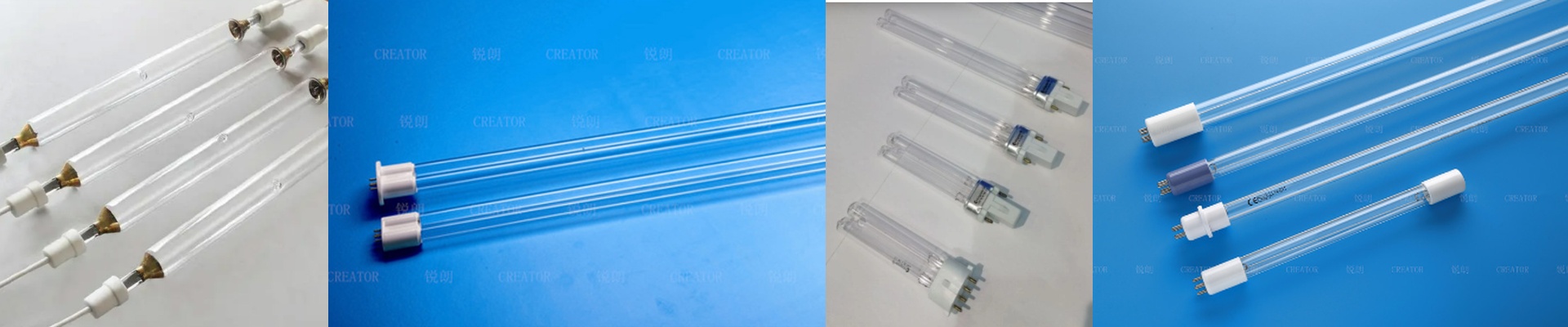
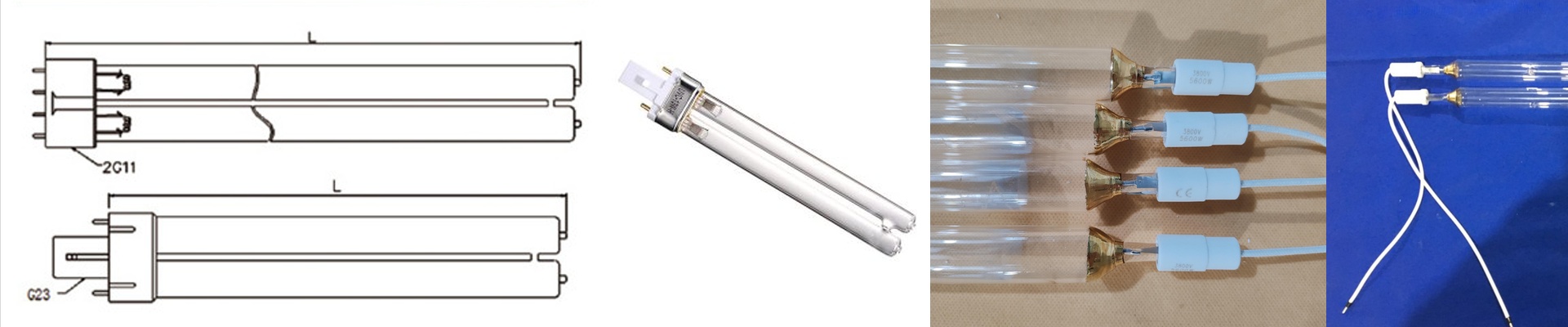
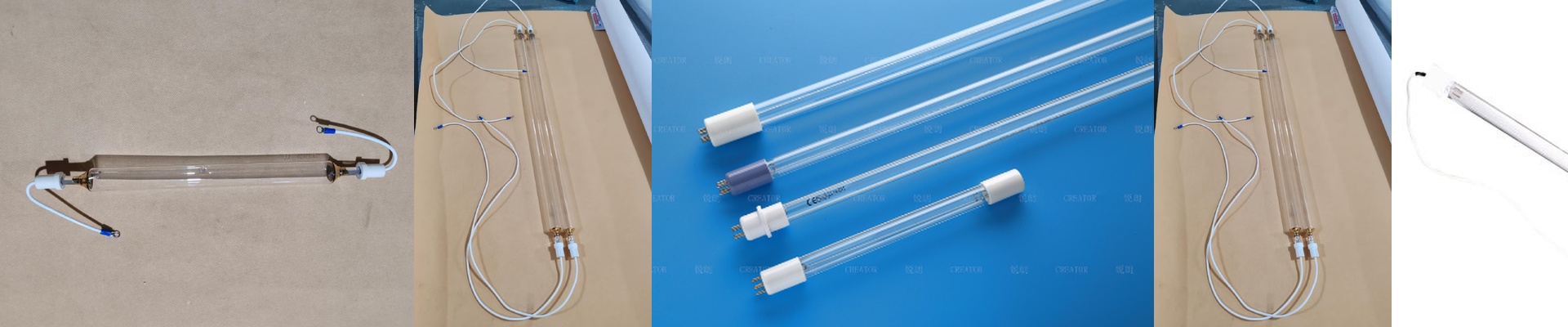
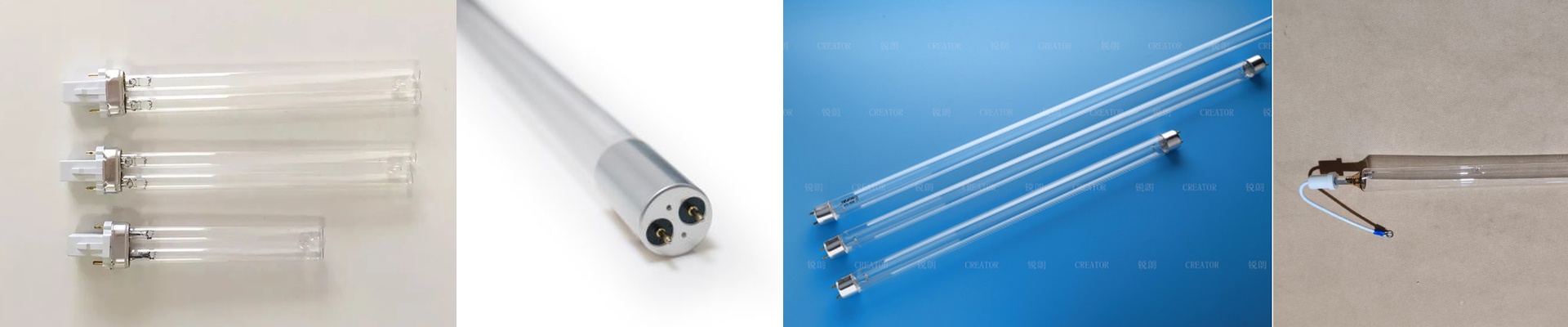
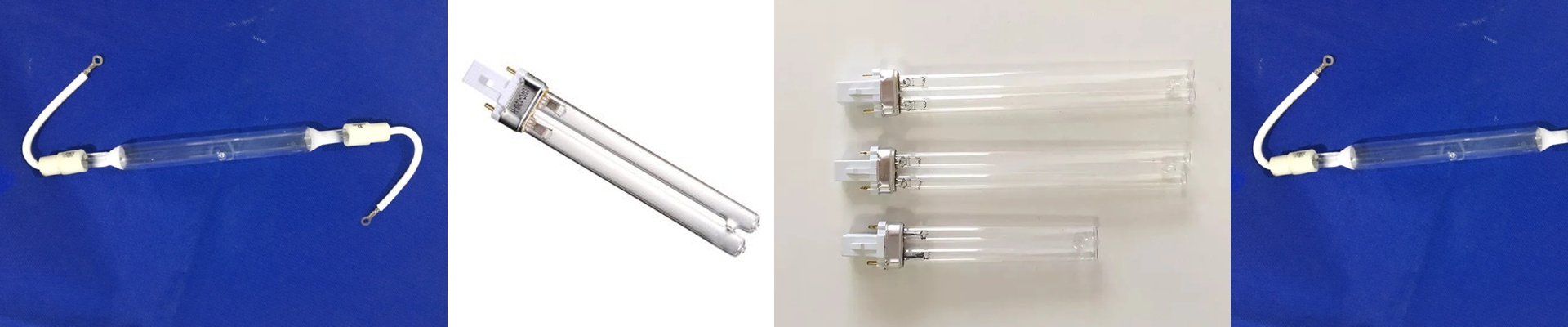
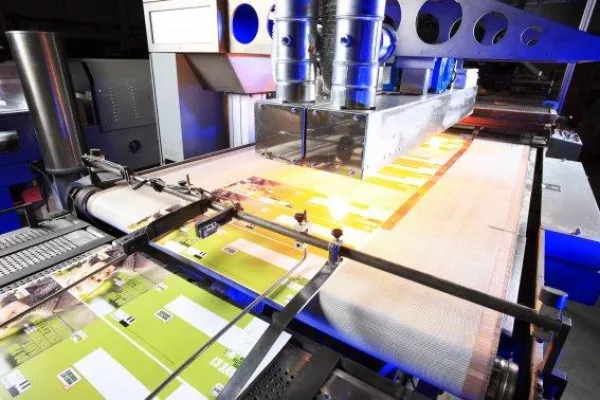
On a 200 m/min web press, UV output stability isn’t a nice-to-have—it’s the line. If peak irradiance drifts, the ink skins on the surface and traps solvent, or the photoinitiator response falls apart. Gallium iodide lamps meet that reality with a spectral output tuned to the photoinitiator absorption of modern offset, flexo, and screen inks, so the curing energy density stays consistent across the full web width. The heart of it is wavelength control. Gallium iodide pushes the dominant emission toward 400–420 nm, with a strong shoulder around 365 nm. That profile lines up with Type II and amine-synergistic photoinitiators—they cure deeper and faster under long-wave UV, while you still get enough short-wave energy for a solid surface cure. Pair that with a dichroic reflector and tight arc-length tolerance, and you get high peak irradiance right at the web, so cross-linking finishes in microseconds. You keep stable output even at 200 m/min, and lamp temperature is managed to prevent power droop and spectral drift over a shift. Here’s why it matters on high-speed web: dwell time is what it is. Gallium iodide lamps keep the dose per unit area predictable, so cure quality doesn’t chase line speed. On offset, the 405 nm band cuts heat load on thin substrates while still curing overprints and varnishes. On flexo and screen, the 365–405 nm blend drives through-cure on pigmented layers without over-curing the surface. And because the spectrum is matched, you waste less energy on IR and broadband output. A couple practical points. Lamp choice comes down to the press architecture. Offset units with inter-station curing need compact lamps and precise reflector geometry; flexo and screen often want a broader, uniform beam profile. Check your reflector coating, shutter integration, and power supply compatibility. Gallium iodide lamps run hotter at the arc, so keep the cooling airflow steady—output drifts if you don’t. Specify ozone-free quartz, and confirm the spectral radiometer reading at the web plane, not at the lamp housing.