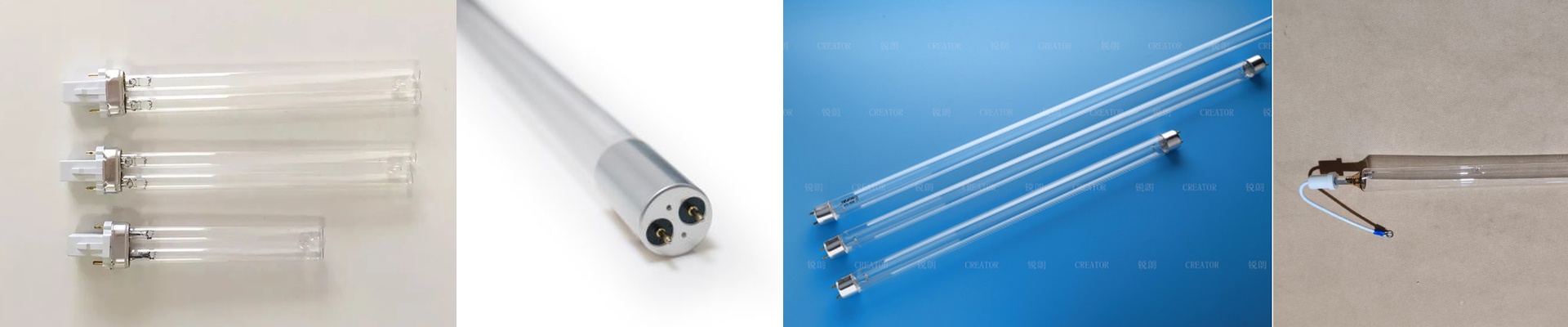
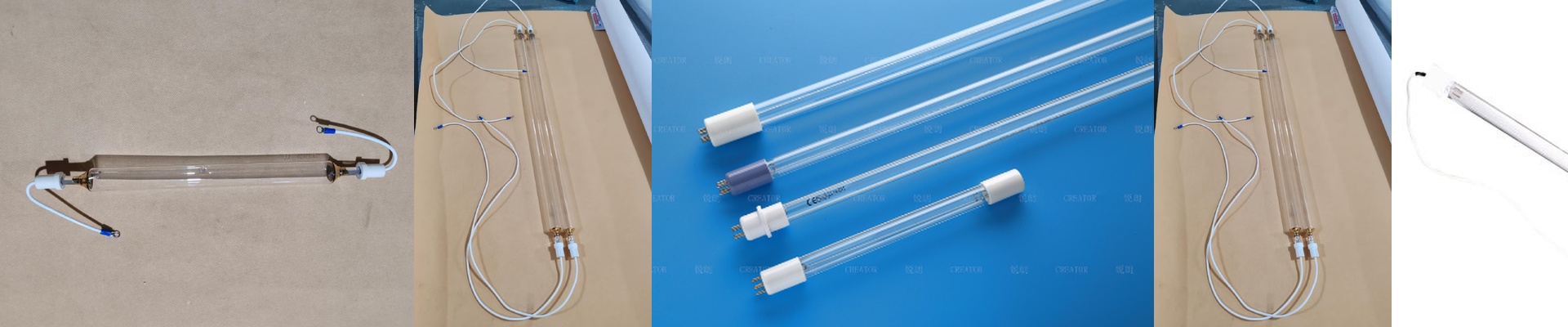
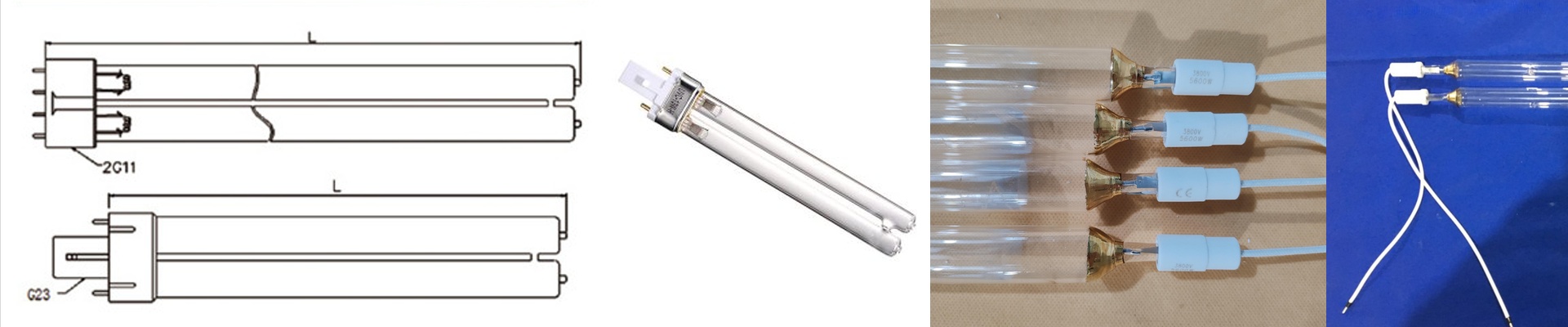
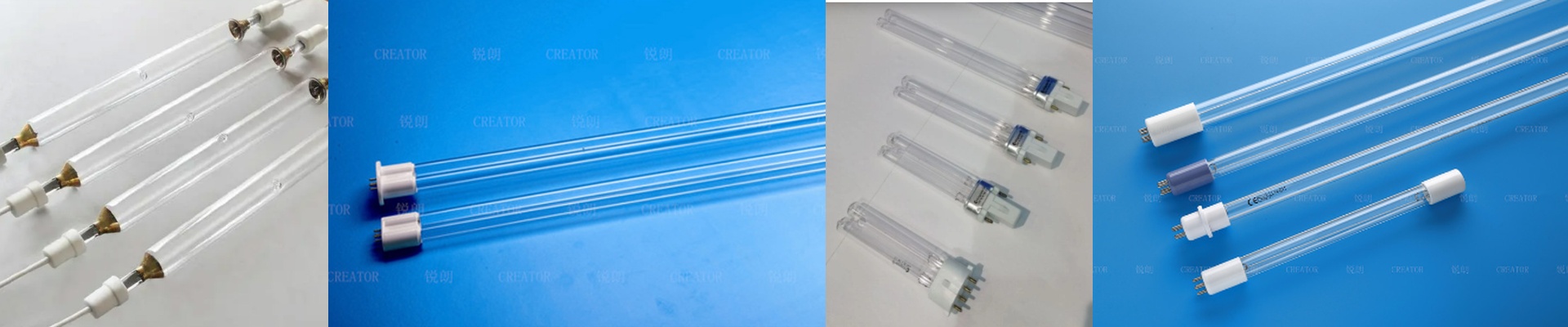
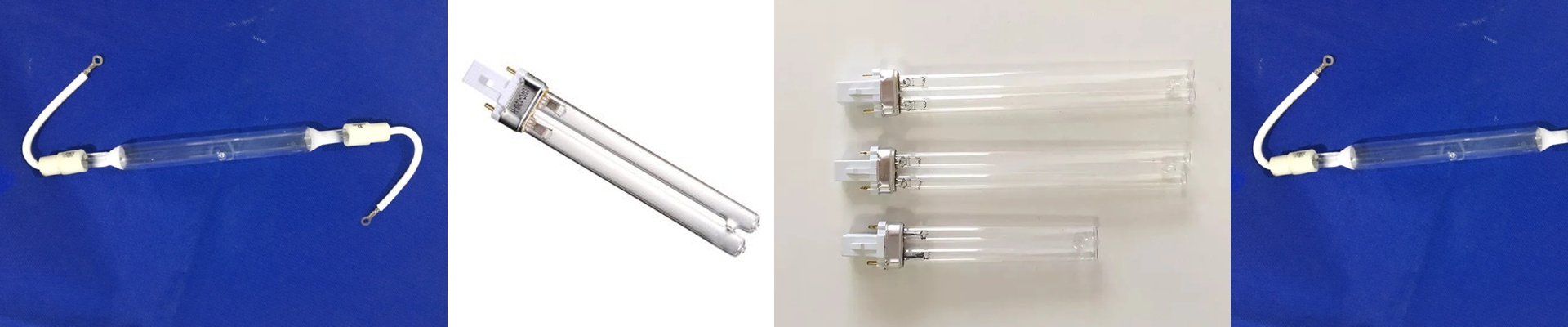
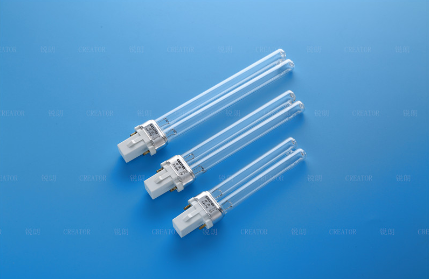
On the floor, sterilization isn’t a promise you make—it’s a number you hit. UVC systems stumble when irradiance drifts, and lamps that aren’t monitored give you inconsistent microbial reduction. If you want to lock in the required lethality, you need continuous, traceable intensity measurement. What matters, technically A 365nm mercury vapor lamp is built around a stable spectral output: strong emission at 254nm for germicidal action, plus a defined 365nm line for visibility and compatibility with curing. Peak irradiance comes down to arc length, power density, and the reflector’s dichroic coating. We spec lamps to hold output within a defined band over the replacement interval, because intensity decay is predictable—and it has to be managed. Pair the lamp with a calibrated UVC radiometer, take mW/cm² readings at the target surface, and convert to dose (mJ/cm²) using exposure time. Why this works in practice Intensity monitoring turns UVC from a “we think it’s fine” step into a controlled unit operation. You set a minimum threshold, log readings on a schedule, and swap lamps based on measured depreciation instead of a calendar guess. That cuts variability in kill rates, gives you clean documentation for compliance, and keeps you from under-dosing—the kind of mistake that leads to recalls. It also saves energy by avoiding premature lamp changes and keeps cycle times stable. Here’s what you need to keep straight Mounting geometry, lamp-to-target distance, and reflector alignment directly set the irradiance you actually deliver. Operating voltage has to match the lamp and ballast spec; mismatches push the lamp to end-of-life faster and shift spectral output. Surface temperature and ambient airflow can move performance, so lock down the operating window and write it down. Expect output to drop as the lamp ages—plan calibration checks and keep spares aligned to the measured decay curve.