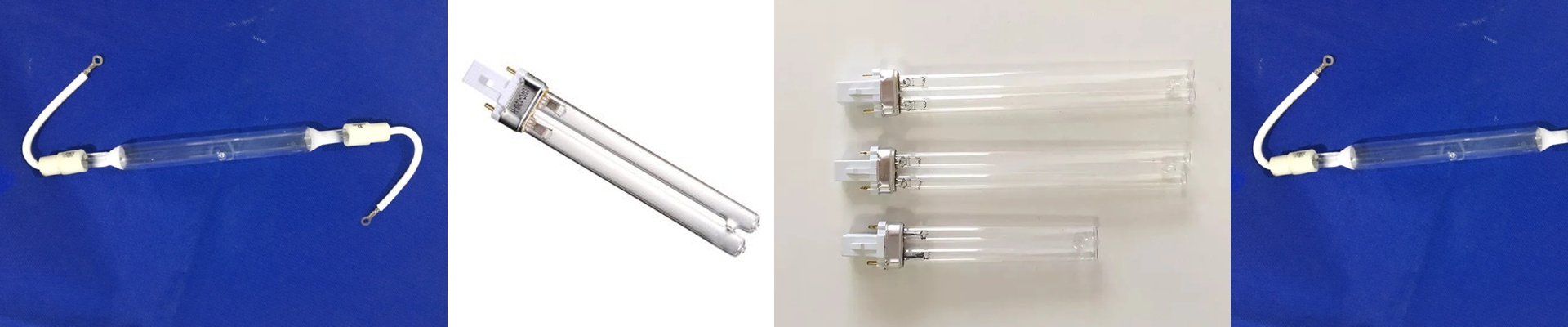
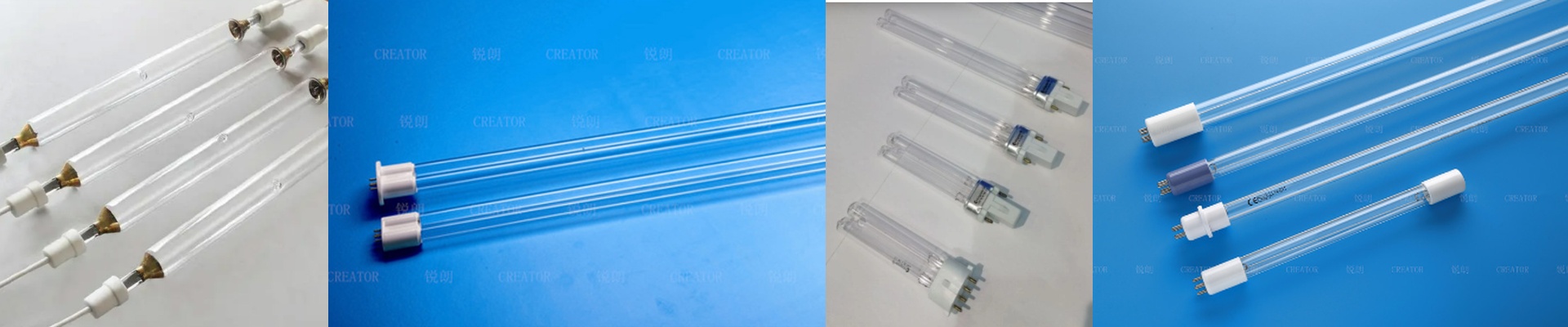
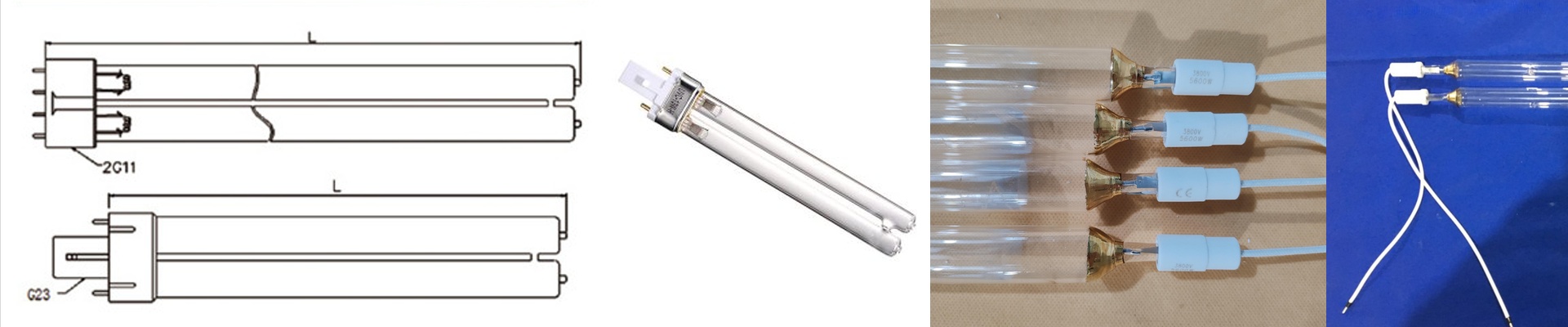
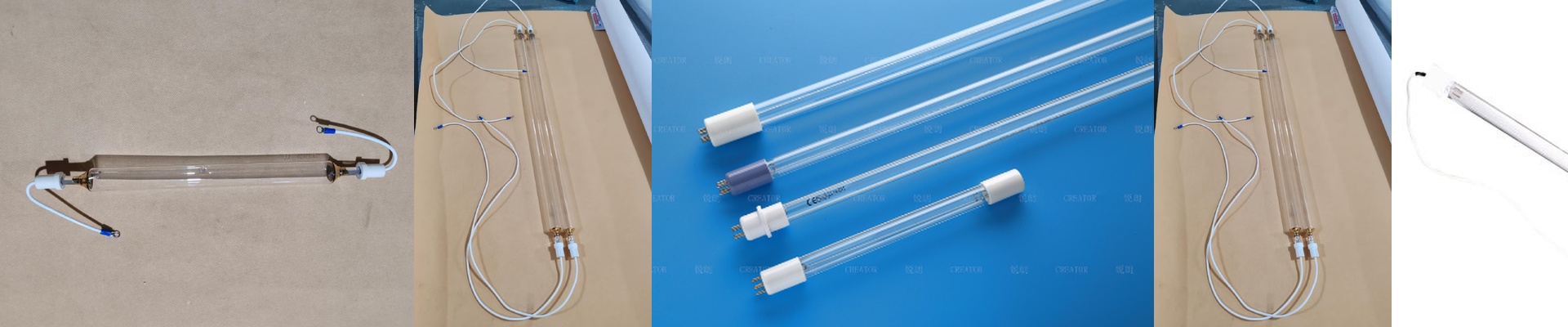
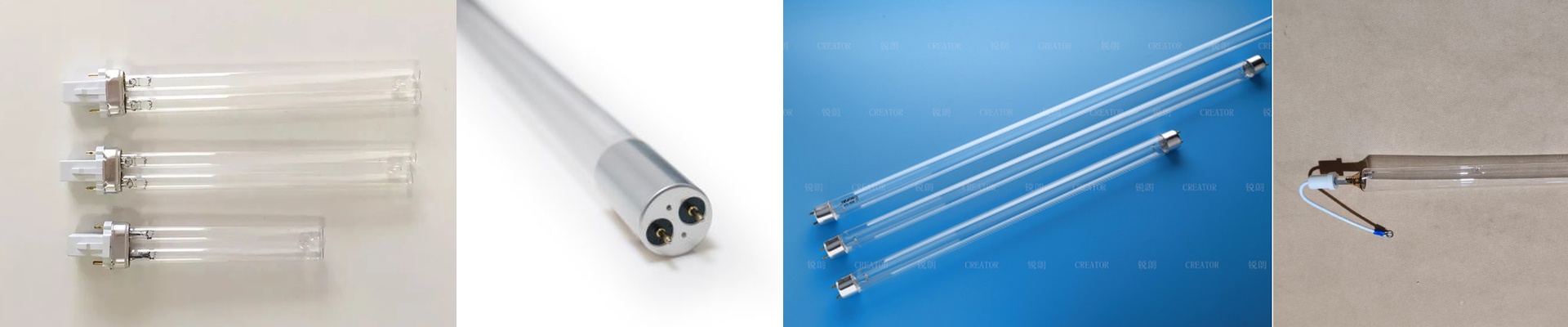
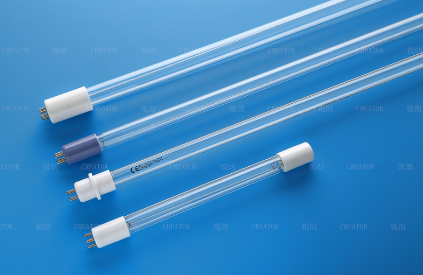
On the floor, those darkened ends on a UV lamp aren’t just cosmetic. They’re a tell. Every hard start and early shutdown chews up the electrode, and if the ballast isn’t dialed in, the spectral output gets pushed around. The payoff is predictable: 365nm output that drifts, dose tolerance on photoresist that widens, and yield that starts to wander. Here’s what actually matters: it’s the energy you deliver at the substrate, not the wattage on a label. We run a gallium iodide lamp tuned for a narrow, clean 365nm band—right where most photoresist photoinitiators want to work. Peak irradiance stays at ≥1200 mW/cm² at the substrate plane, and dose repeatability holds within ±3% across the life of the lamp. The quartz arc tube and the dichroic-coated reflector keep IR and stray UV in check, so heat stays low and the spectral distribution stays consistent. In practice, that means faster cross-linking, shorter exposure windows, and a process window that stays tight. And here’s why it works in photoresist exposure lines: lamp end-blackening gets worse fast when you’re cycling the lamp on and off and running off inductive ballasts that don’t smooth out the ignition spike. We pair the lamp with a matched ballast that forces a controlled warm-up ramp and caps current overshoot, so the electrode stays intact. The upside is fewer lamp swaps, curing speed that doesn’t drift shift to shift, and less energy per unit processed. A couple of field realities: gallium iodide lamps need the right ignition voltage and steady mains regulation to keep 365nm stable. They’re not a straight swap into legacy mercury setups—reflector geometry, cooling airflow, and shutter timing have to match the arc length and the thermal profile. Before you change over, confirm ballast compatibility and reflector focal distance. If those are off, you’ll be back to endpoint blackening again.