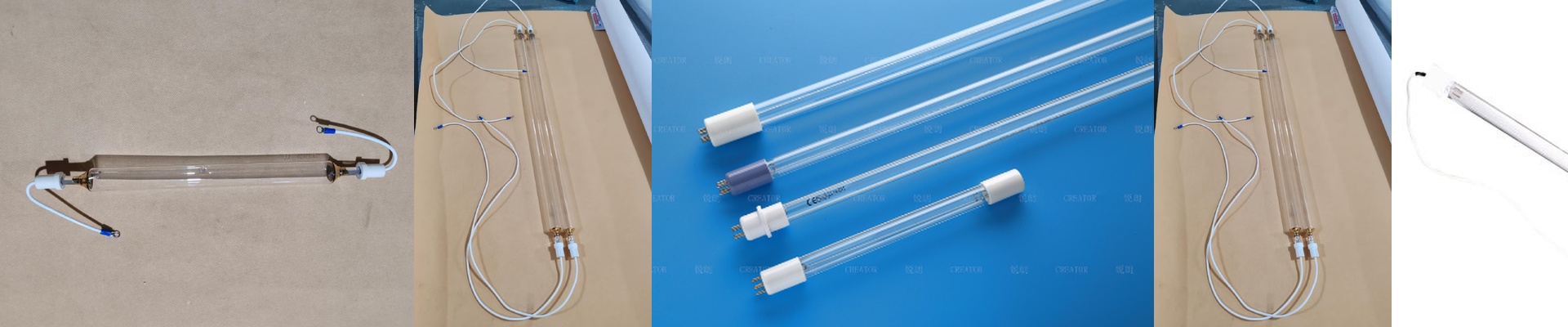
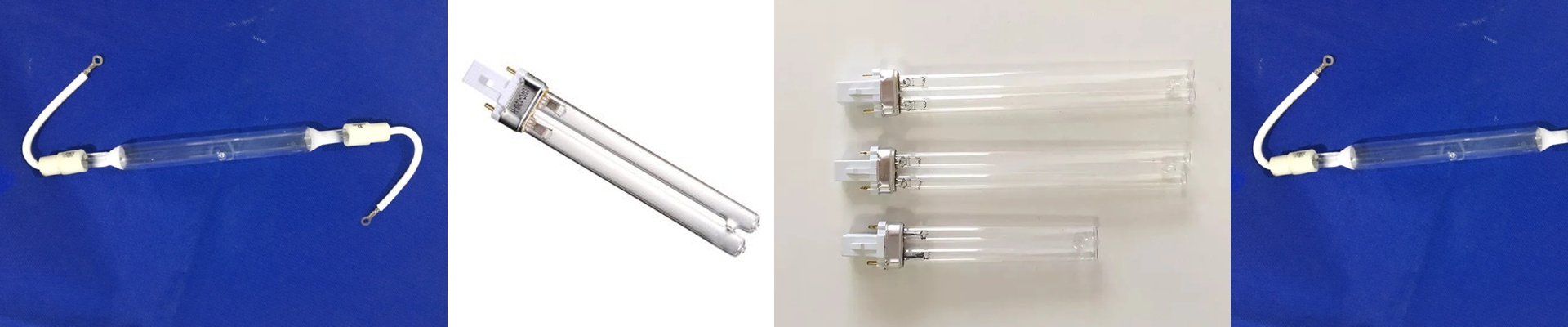
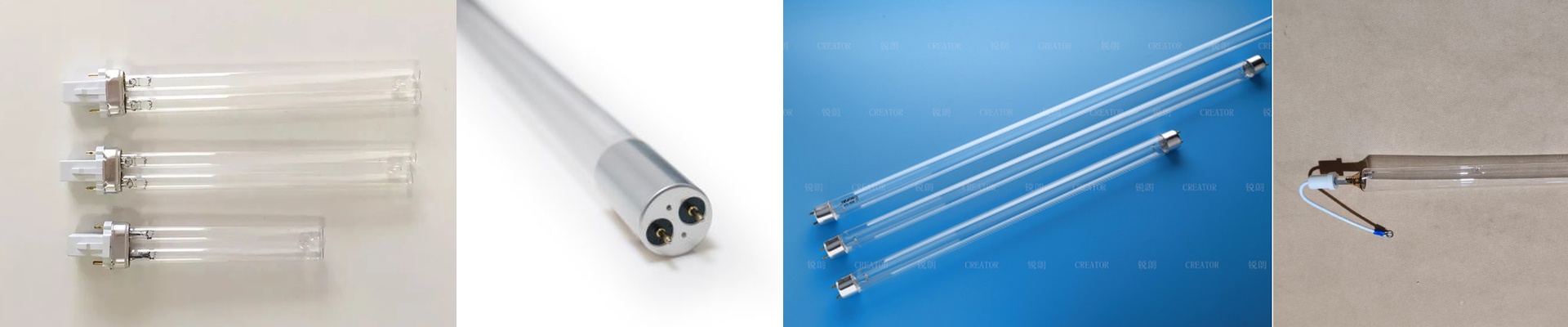
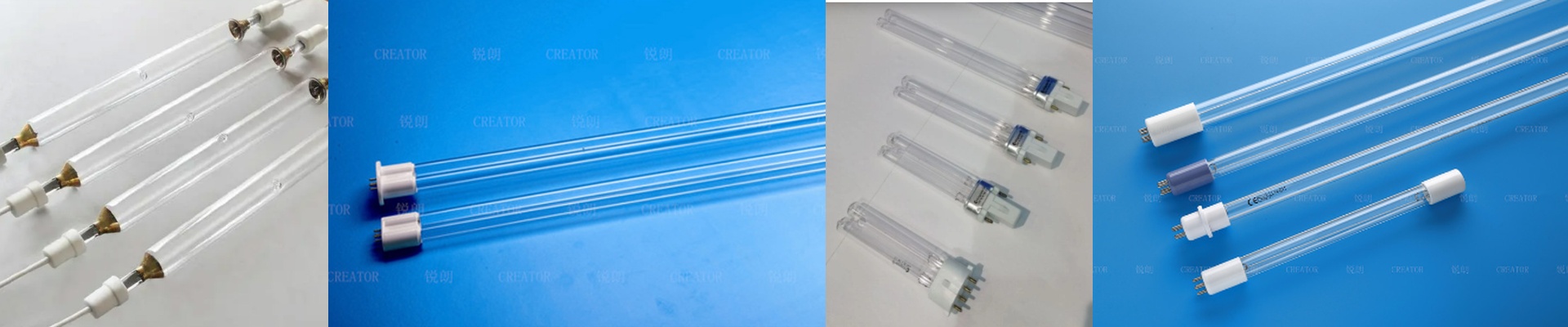
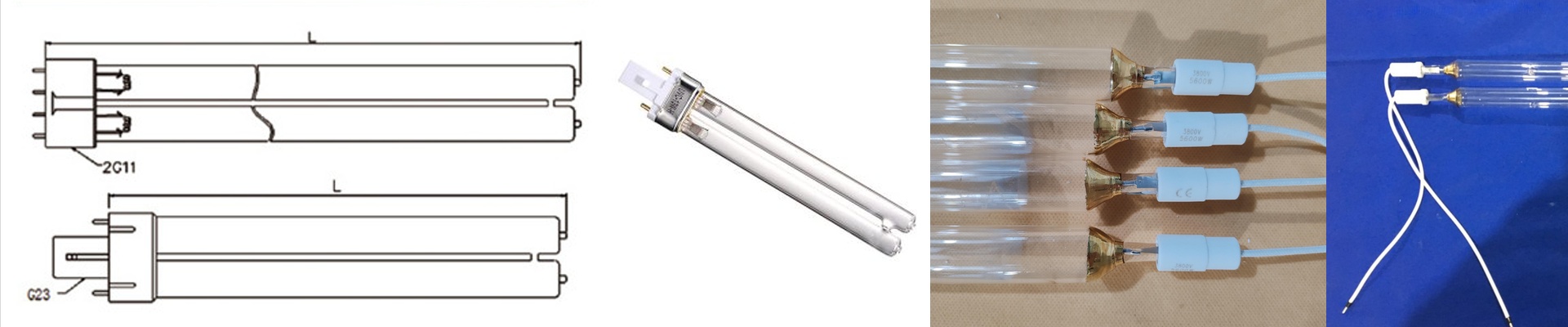
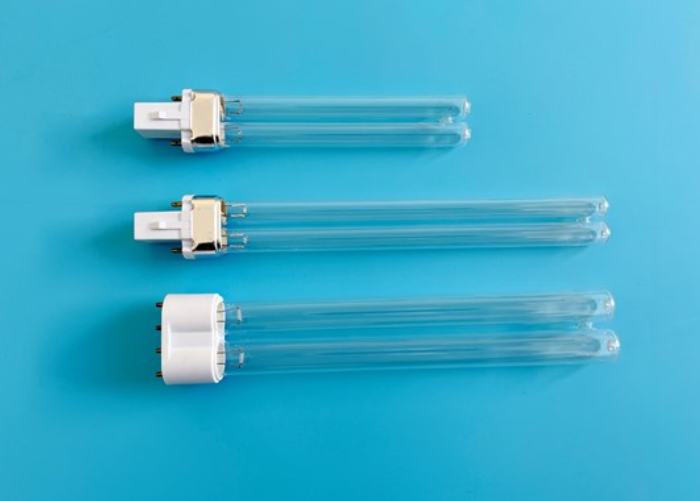
On the floor, you can’t afford a tanning session that stalls. When a lamp drifts off-spectrum or dies mid-cycle, it hits throughput and knocks confidence in the whole line. That’s why we put every tanning UV lamp through a full two-hour, full-power burn-in before it ships. This isn’t a checkbox—it’s a 100% quality gate that catches early-life failure modes before they reach your press. What matters, technically With tanning, spectral output and stability drive the result. We build around a high-purity quartz envelope and tuned mercury vapor chemistry to hold a stable peak near 365nm, with controlled output in the 385–405nm band. Power density is set to match the required irradiance profile across the tanning window, and the reflector uses a dichroic coating to shape the beam—keeping usable UV in the work and cutting wasted IR. During burn-in, we log warm-up time, output drift, junction temperature, and end-of-life behavior. The point is consistent photon flux, so the lamp performs the same on day one as it does on day 1,000. Why this matters in practice Tanning depends on repeatable exposure. If lamp output drifts, dose variance shows up as uneven tan, missed sessions, and rework. Our two-hour aging test weeds out weak electrodes, micro-leaks, and geometry issues that would otherwise cause sudden dimming or early failure. In the real world, that means predictable start-up, tighter dose repeatability, and fewer unplanned lamp swaps. You get higher first-pass yield and less scrap from exposure inconsistencies. What to watch on install and in the field These lamps need matched sockets and proper cooling to hold output and stretch life. Keep operating voltage inside the specified window, and don’t overlook reflector alignment—misalignment drops irradiance faster than most lamp drift. Plan thermal clearance and confirm connector orientation at install. We also recommend periodic radiometer checks. Even a well-aged lamp needs confirmation that it’s still delivering the required energy density.