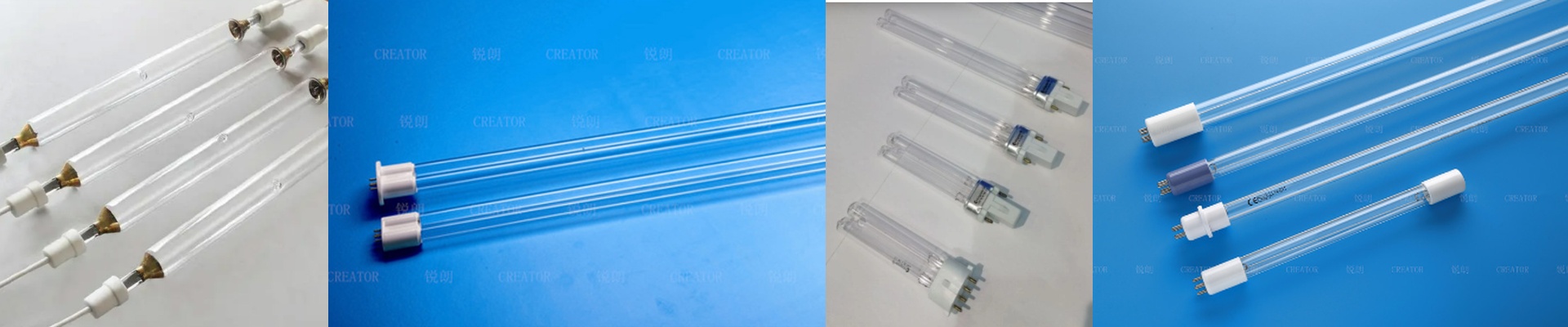
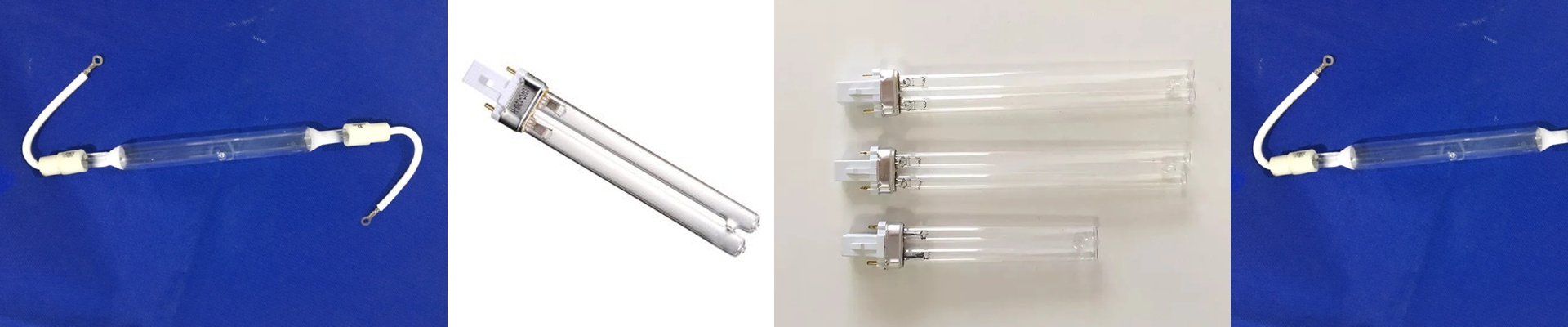
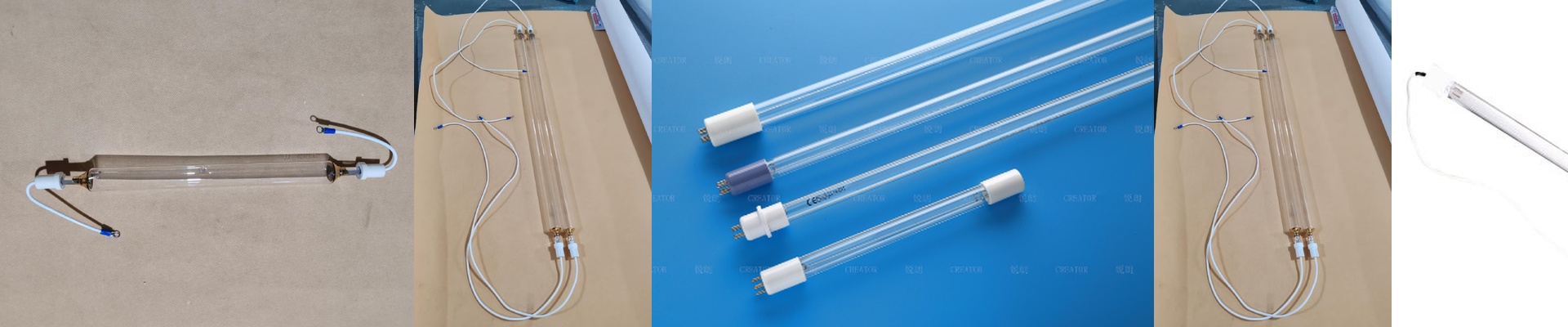
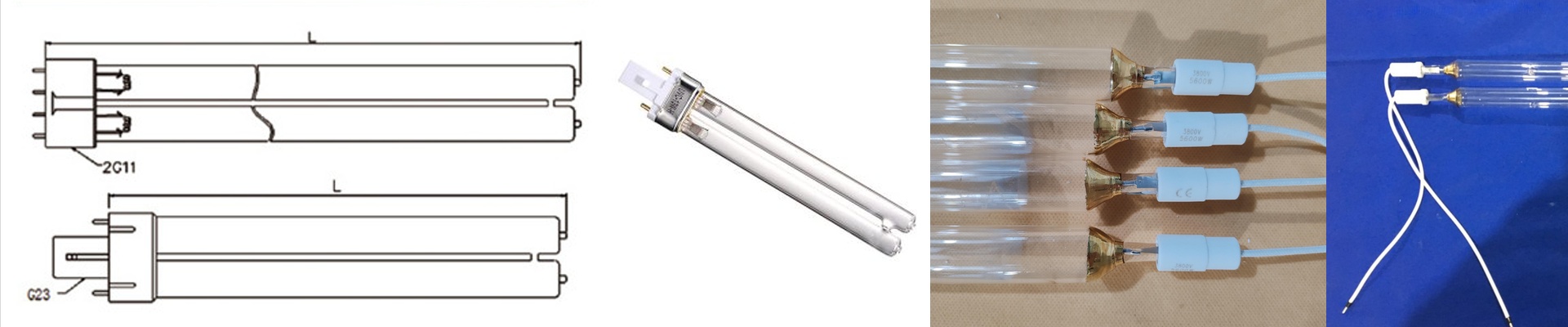
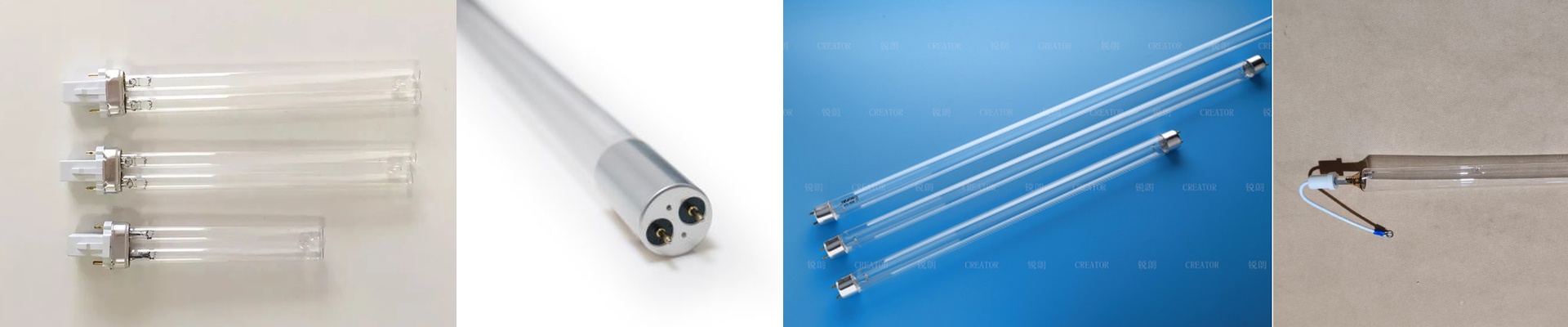
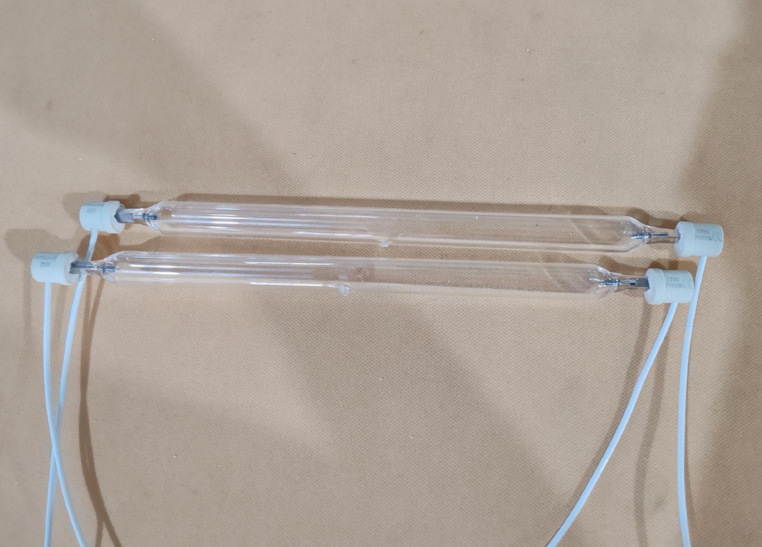
On the line, potting for sensors, modules, and power electronics can’t sit around waiting for a thermal cure. If the UV lamp doesn’t pull its weight, the resin stays tacky, bubbles don’t clear, and the whole line stutters. We build custom UV lamps for electronic potting because, in this work, repeatable dose and uptime are what keep yield in the black.
What actually matters
We match the spectral output to the photoinitiators in epoxy and silicone systems—usually running at 365 nm with a tight full width at half maximum. Peak irradiance at the workspace gets specified, not estimated, so you can calculate energy density in mJ/cm² and lock down the process window. High-pressure mercury vapor lamps deliver the intensity; ozone-free quartz envelopes and dichroic reflectors shape the output and keep heat away from sensitive parts. We design for stability over time: units routinely run 5,000+ hours with less than 5% drop in irradiance, as long as you stay within rated power and cooling.
Why this fits potting
Electronic potting needs a deep surface cure and controlled through-cure—without cooking the assembly. Our lamps deliver a consistent UV dose across the pot, so cross-linking stays uniform, bubbles are minimized, and cycle times come down. You get repeatable adhesion, fewer rejects, and predictable energy draw. And if a custom lamp shows performance decay within the warranty period, we trigger a defined compensation process—no endless back-and-forth.
A few shop-floor notes
Match the lamp to the fixture and the cure window. Confirm reflector geometry, dichroic coating, and connector type, and make sure airflow matches the lamp’s thermal profile. Output stability hinges on stable ballast control and clean cooling; push the lamp outside its rated conditions, and spectral stability goes sideways. Plan on periodic radiometer checks, and keep spare envelopes on hand to keep changeovers fast.