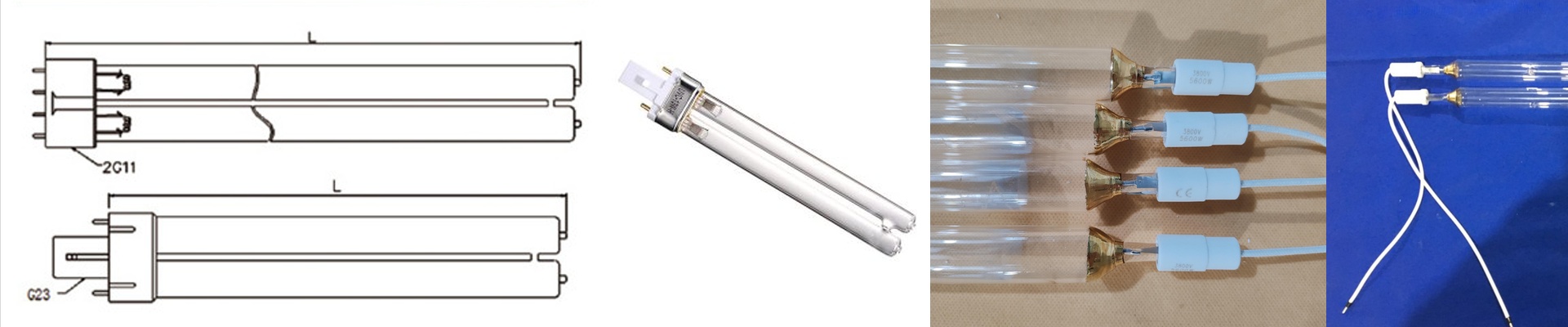
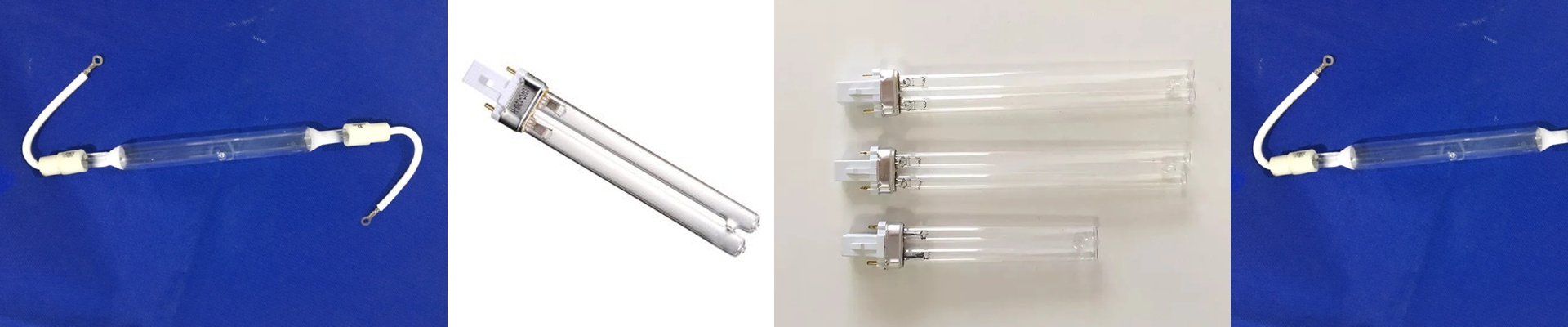
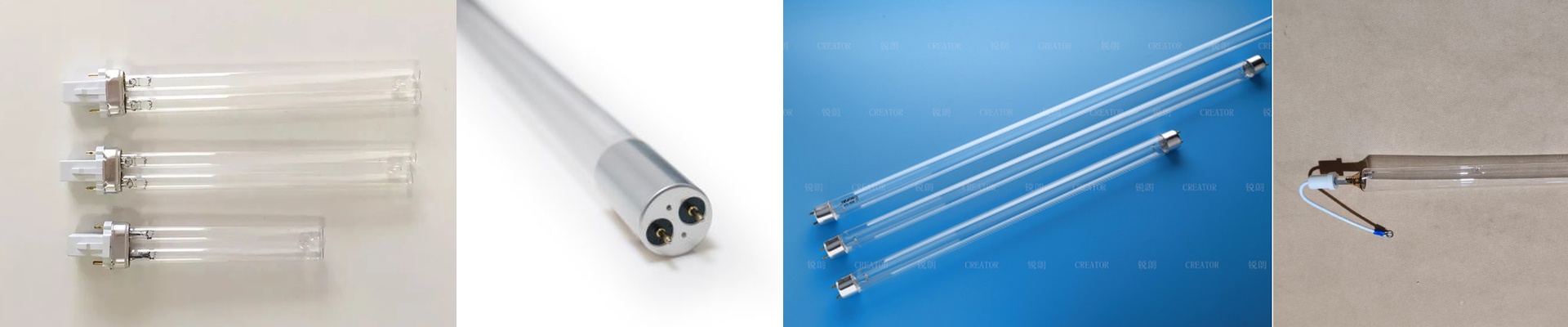
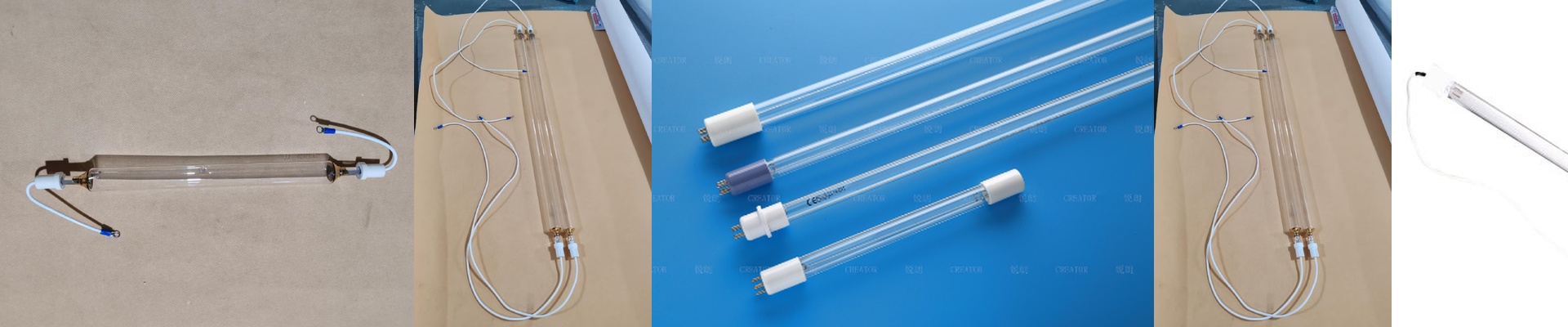
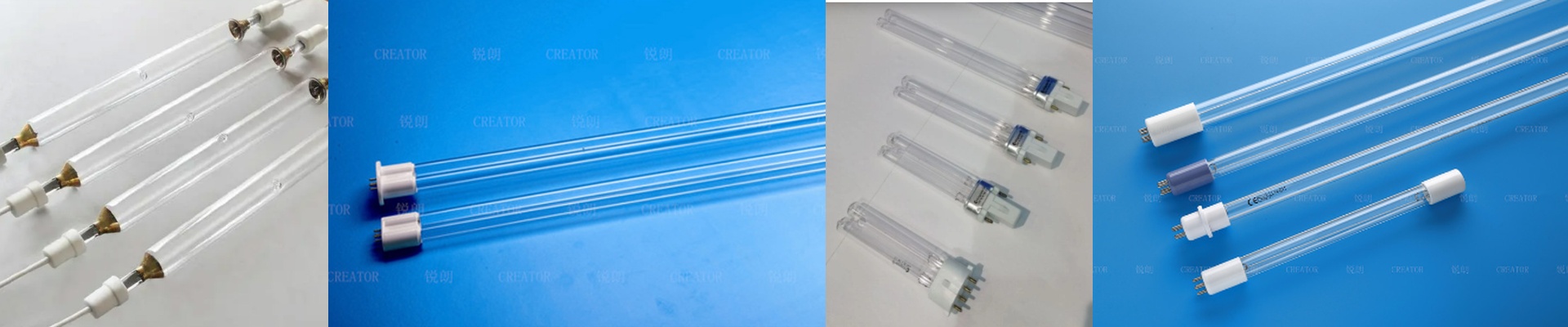
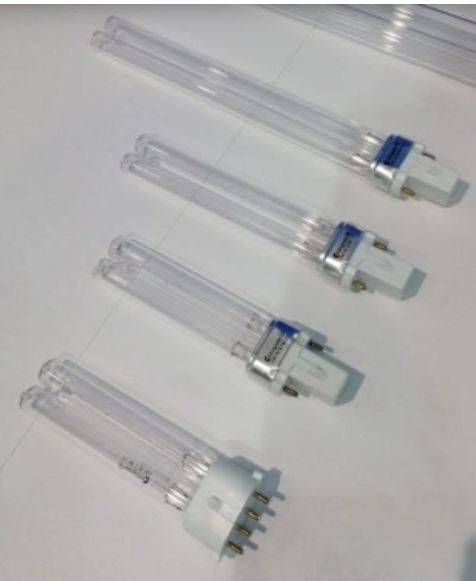
In a lab photoreactor, you live and die by nanometers. Broad-spectrum sources dump energy across wavelengths you don’t need. That extra light scatters, heats the solution, and wrecks repeatability. You want a lamp that delivers the exact energy the reaction requires, and nothing else. What matters under the hood We build these lamps around spectral purity, nailing a tight 365nm output with a full width at half maximum (FWHM) under 15nm. A high-purity quartz envelope and a proprietary dichroic coating cut out secondary peaks. Peak irradiance tops 200 mW/cm² at 50mm, so photoinitiator activation is predictable. Power density holds at 120W/inch, giving you enough photon flux for fast, complete cross-linking without cooking sensitive compounds. Why this keeps runs consistent A clean 365nm source strips out the noise that kills repeatability. You get a stable photon dose, run after run, so exposure lines up cleanly with yield. Output stays within ±3% over the lamp’s 2,000-hour rated life, which means conditions don’t drift from the first batch to the last. The payoff is faster cycles and data that’s directly comparable across different experimental batches. The practical details you can’t gloss over These lamps are engineered for specific optical paths, so axial alignment inside the reactor chamber has to be spot-on to keep the spectral profile where it needs to be. The quartz envelope runs hot, so integrated cooling isn’t optional—it’s mandatory for sustained performance. The dichroic coating maximizes spectral output, but it’s sensitive to mechanical shock, so treat the lamp gently during install. And before you wire it up, double-check the connector type and power supply compatibility with your existing setup.