Why Our Custom UV Lamp Modules Steal the Show
You know that feeling when you walk into a crowded expo and one booth is absolutely packed? That was us at the 2026 Printing Expo. And honestly, the question everyone kept asking was pretty simple: What’s the secret? Why did our custom UV lamp modules pull such a crowd? Here’s the thing: we built these for the shop floor, not the lab. This isn’t some delicate piece of equipment that needs babysitting. It’s a workhorse, built to handle the gritty reality of industrial curing, day in and day out.
The guts that make it work
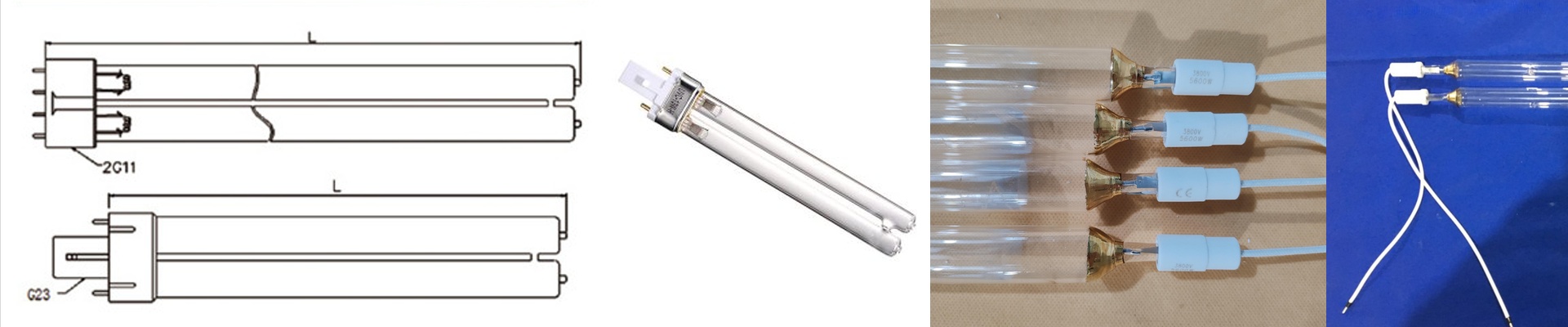
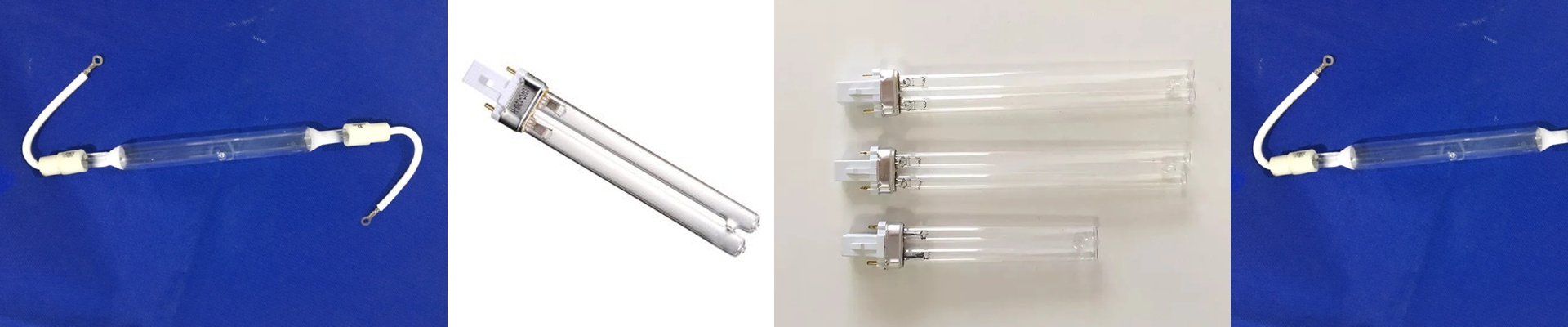
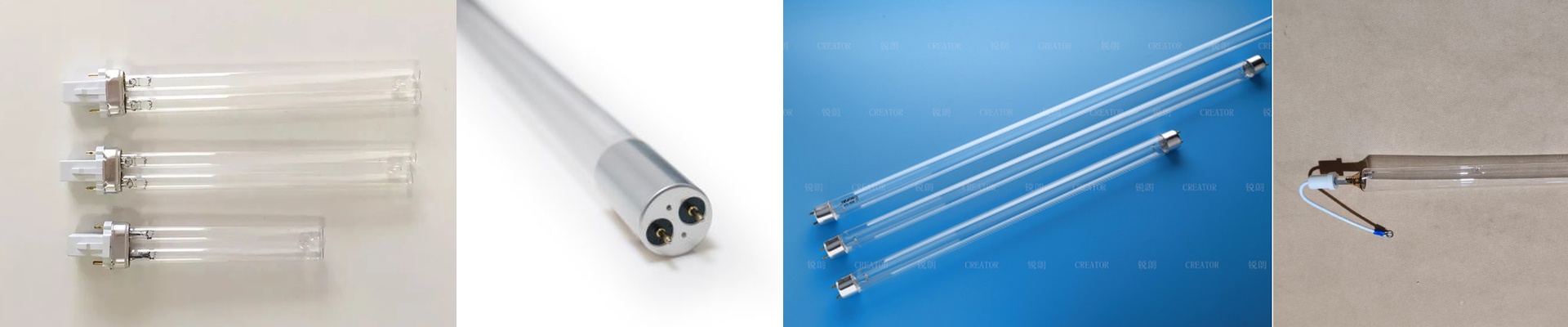
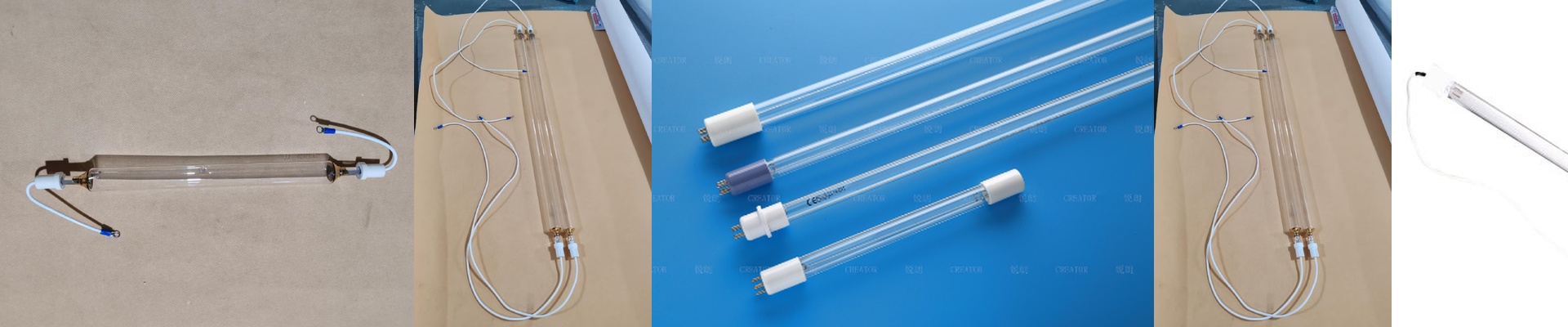
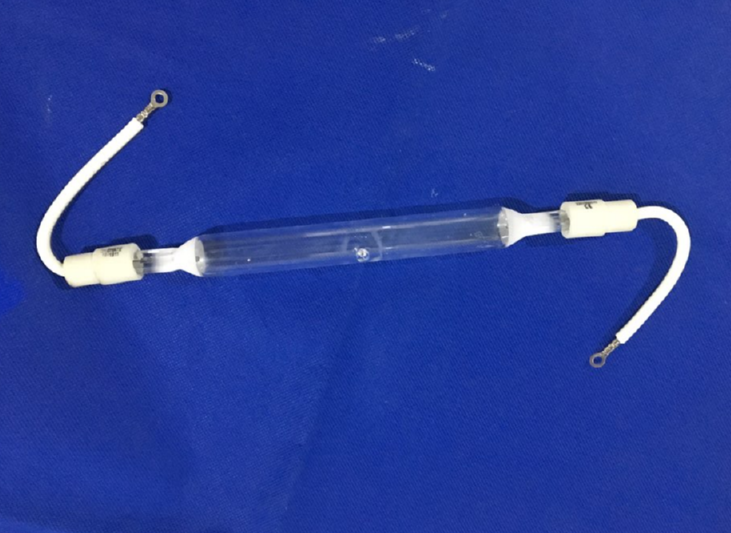
We didn’t cut corners on the power. These modules are spec’d for high-volume production lines, plain and simple. They run on a standard 400V industrial power supply. What does that mean for you? It means the lamp ignites reliably every single time and holds a steady arc, even through a long, grueling shift. No flickering. No hesitation. Just consistent power. And the 300mm tube paired with a 2500W rating? That combination packs a serious punch. It concentrates the UV output into a tight space, so you get intense curing power without needing a massive machine to house it.
Built with the right stuff
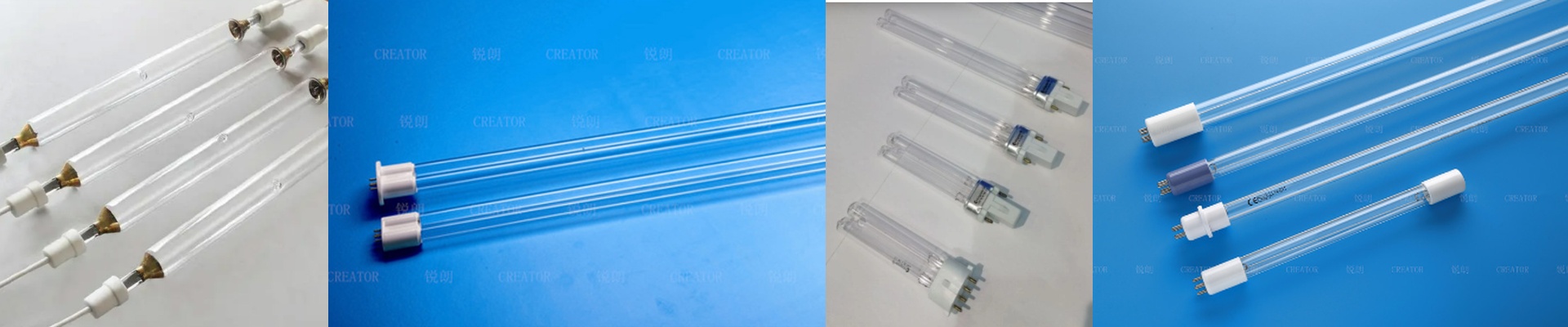
At the heart of it all is a halogen-filled quartz envelope. Quartz is tough—it handles the shock of rapid on-and-off cycles without cracking, and it lets the UV light through cleanly. The halogen fill does its part too, keeping the light output stable over the lamp’s entire life. That means you don’t have to worry about the power fading over time and slowing your whole process down. Then there’s the R7s connector. We went with it for a reason. It’s quick to wire, holds tight even with all that vibration on the line, and makes swapping out a lamp a no-brainer. Plus, it’s a drop-in fit for most existing fixtures, so you don’t have to redesign your whole setup.
The payoff on the floor
When you’re curing inks and coatings, there’s no room for guesswork. You need a cure that’s the same, run after run. Our modules deliver the intensity to set everything fast, which cuts down on how long a piece has to dwell. That frees up space and keeps things moving. Now, they do run hot, so you need to make sure your cooling system is up to the task. Plan for proper airflow. But the reward is worth it. You get consistent output, fewer rejects, and maintenance that doesn’t feel like a full-time job. For you and your team, that means less time spent fixing things and more time spent running the line.