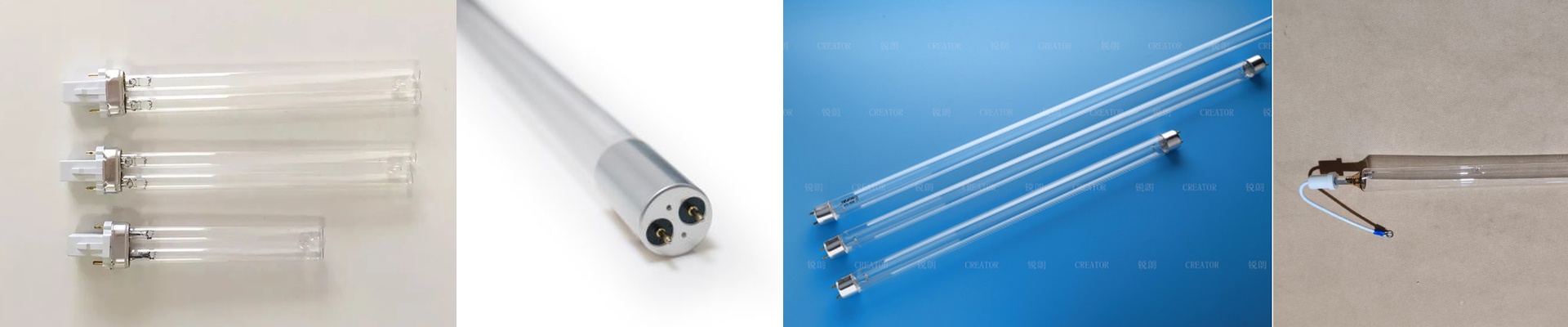
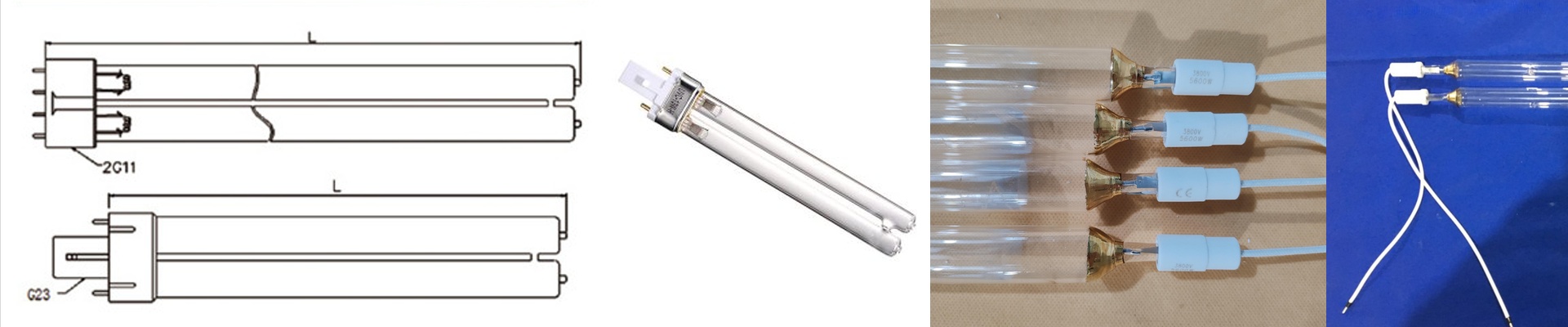
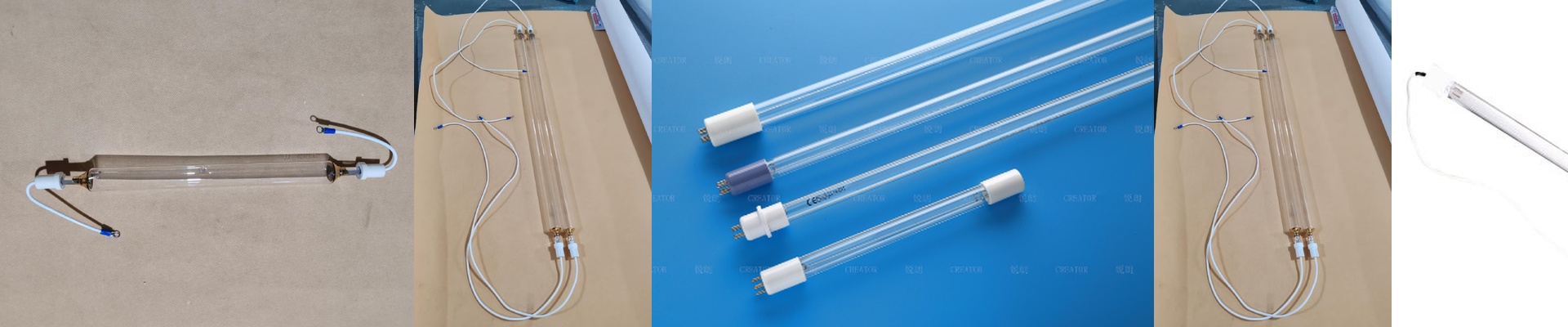
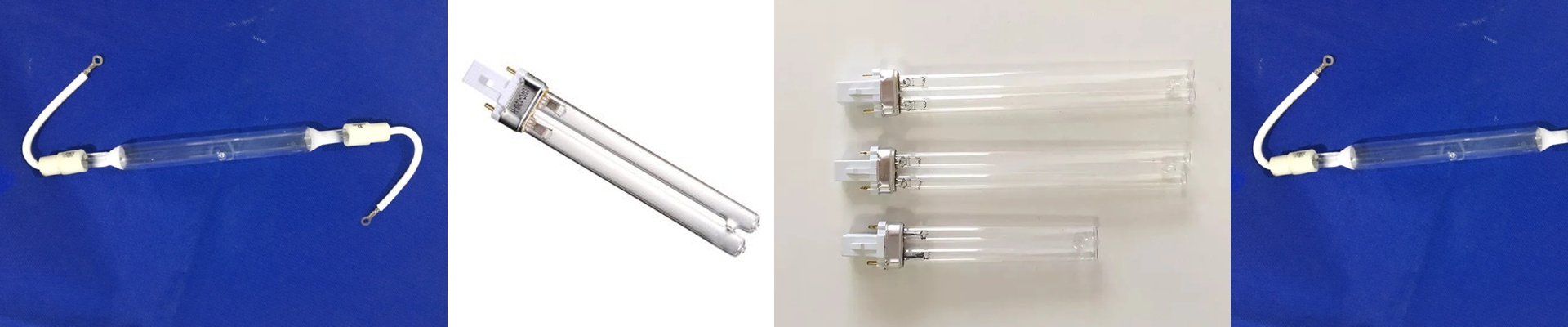
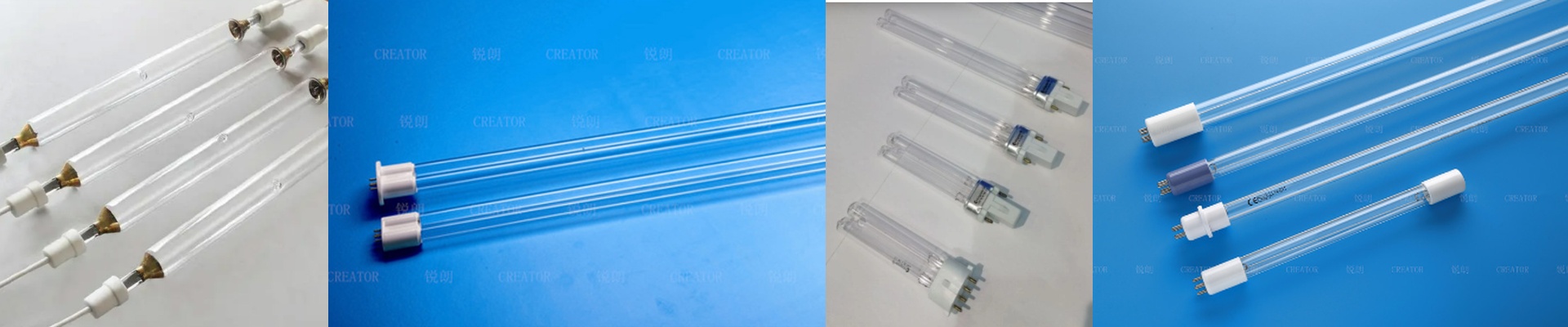
On a line where mineral authentication is the difference between brand trust and a costly recall, the UV lamp isn’t just another part. It’s the baseline. After 15 years of tuning spectral output and keeping heat in check, we built a lamp that can hold up under the hard requirement of mineral ID—because if irradiance wobbles or wavelength drifts, the readings stop being trustworthy. What matters under the hood We run a high-purity quartz arc tube and lock in a stabilized 365 nm profile, hitting a peak irradiance of 1,800 mW/cm² at 20 mm working distance. The spectral half-width stays narrow, so you don’t get background fluorescence muddying the diagnostic signals. Reflector geometry uses a dichroic coating to shape the beam and cut down UV-B and UV-C leakage—keeping operator exposure low while the energy density stays where it needs to be. Across the target field, output uniformity holds at ±5%, and the lamp keeps spectral stability for 5,000 hours, with less than 5% irradiance drop at rated power. Why this works in mineral ID In this work, repeatability is the whole game. Consistent 365 nm intensity gives you repeatable excitation shift after shift, so color centers and fluorescence patterns read the same, hour in and hour out. The lamp stabilizes thermally fast, so inspection cycles can move quicker—no waiting around for output drift to settle. Power draw is set for continuous duty, and the ozone-free design makes ventilation a lot less complicated. Hook it up with a 24 V control interface and standard connectors, and it drops cleanly into automated inspection stations. A few shop-floor details Keep the mounting distance within ±2 mm. Go beyond that, and irradiance variance climbs while the spectral balance starts to drift. The lamp runs on 220–240 V mains, but the fixture has to provide real airflow—overheating is what kills arc-tube life. The 365 nm peak covers most minerals, but if you hit samples with weaker absorption, tune exposure time instead of cranking power; otherwise you risk localized heating. We built this for the long haul, not to look good on a spec sheet. Fifteen years of field data and steady refinement is what it takes to earn that kind of reliability.