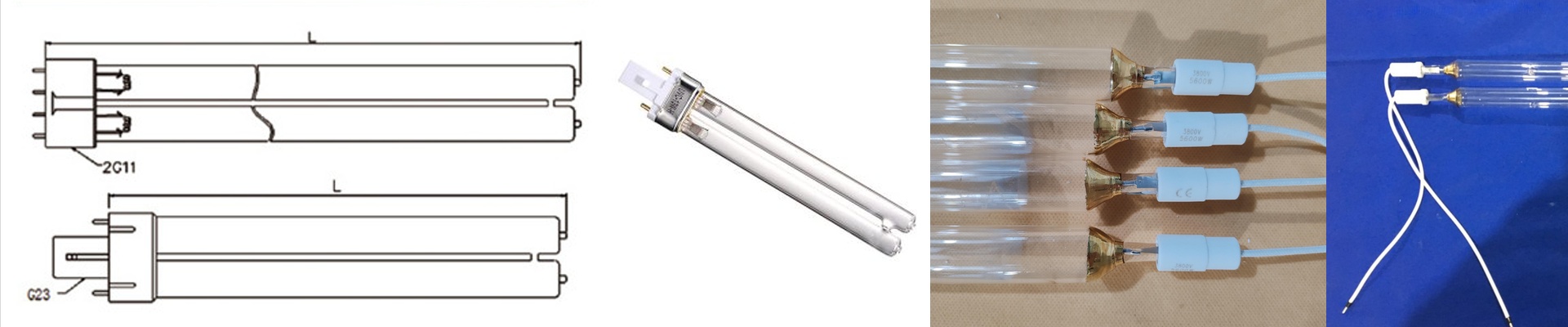
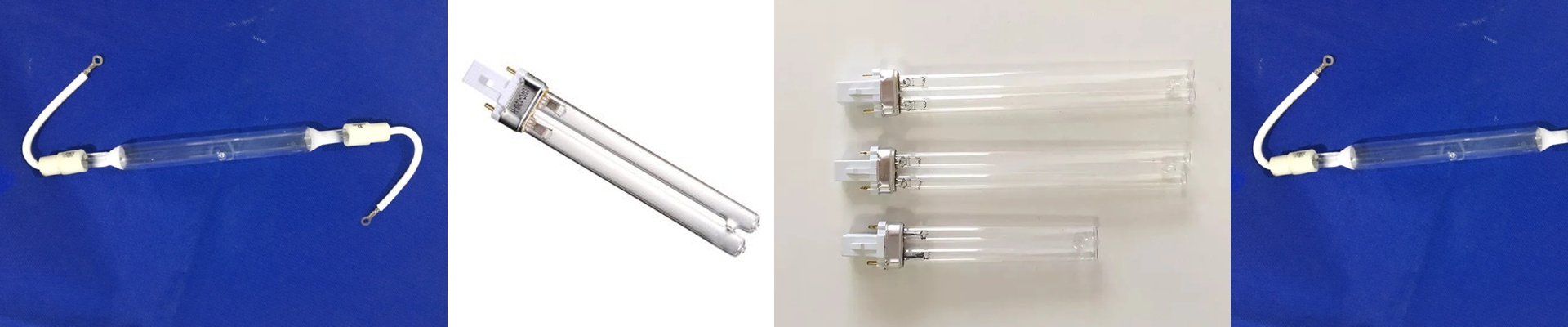
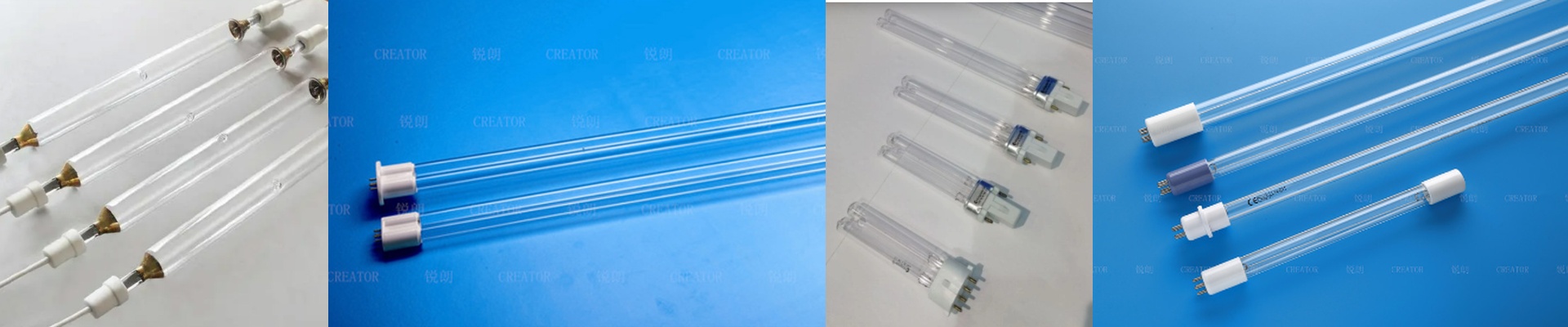
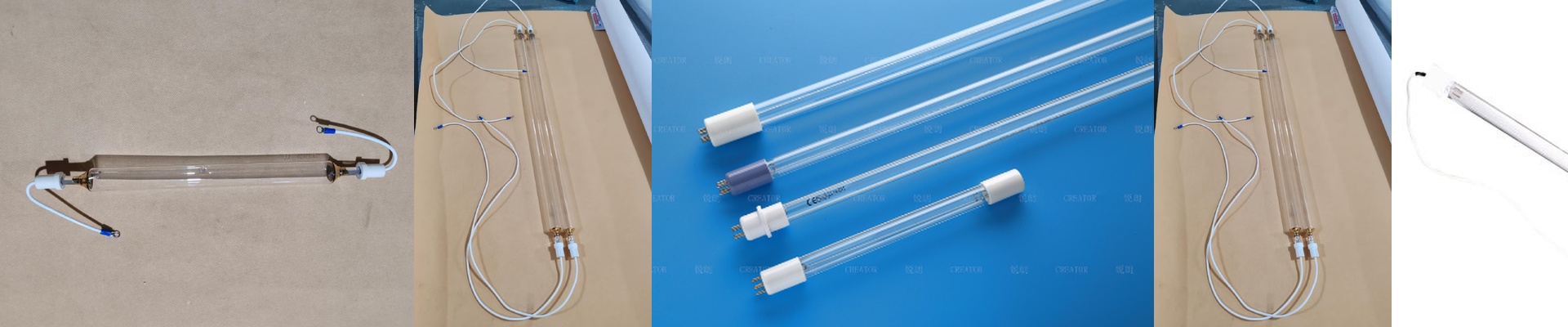
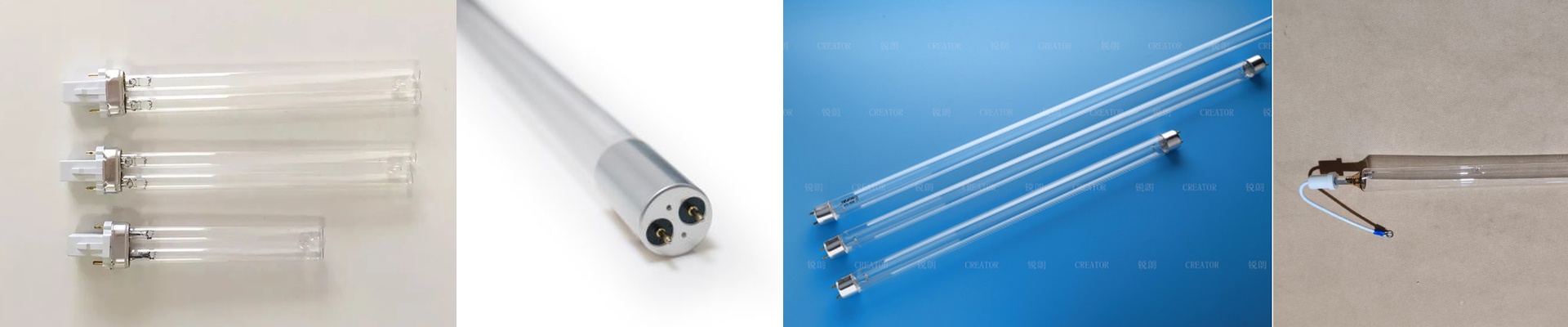
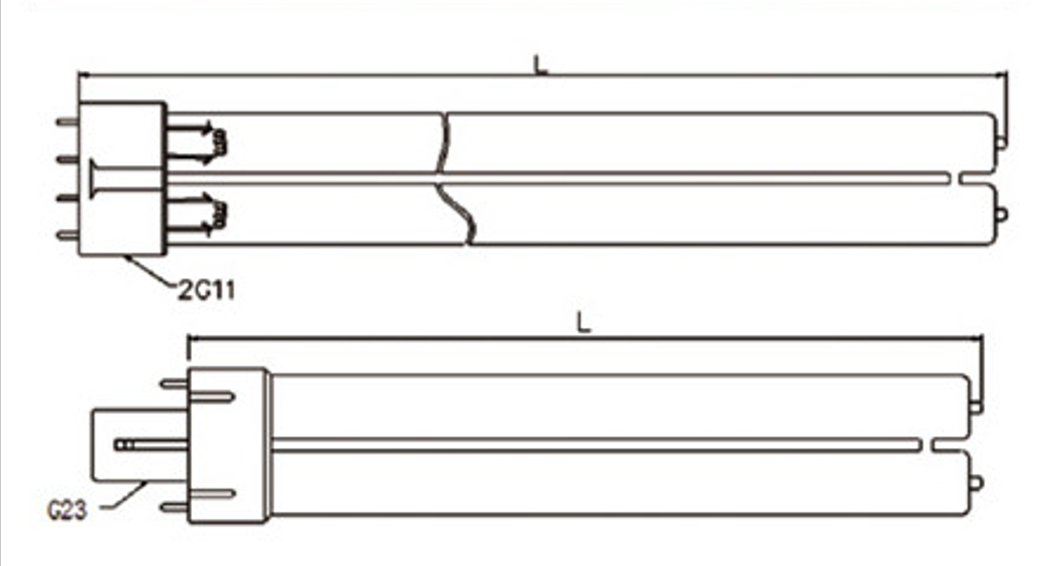
On the floor, you’re always juggling the same two headaches: ink that won’t cure fast enough, and power draw that keeps climbing. Under-cured ink gives you scuffing, poor adhesion, and reprints. Overspend on electricity and your margins get squeezed. The question isn’t theoretical—how do you hold the UV dose high enough to lock the ink down, and still shave energy spend by 20%? What matters technically We built the 5kW high-pressure mercury lamp for production curing, not for show-and-tell. It holds a stable spectral output across the mercury lines that drive photoinitiator absorption—exactly where offset, flexo, and screen UV inks need the punch. Peak irradiance stays consistent because the arc is anchored by precision electrode geometry and a reflector set with tight focal control, so fewer photons get wasted. The envelope uses low-decay quartz, and the fill is tuned for stable mercury vapor pressure, so output doesn’t sag early in life. Units routinely run 5,000+ hours with low attenuation, and the ozone-free design keeps the curing zone cleaner. Why it works in a pressroom The payoff is measurable. You can maintain the same UV dose at the web or substrate—complete cross-linking, immediate surface cure, and downstream finishing that can start sooner—while pulling less power from the mains. The 5kW platform is engineered for fast start-up and repeatable warm-up, so curing stays stable from the first sheet to the last, shift after shift. Fewer lamp changes translate into less downtime, fewer spares in the rack, and fewer hours spent on maintenance. Here are the practical details This is a high-power mercury vapor source. It needs a compatible 5kW ballast and a fixture rated for the wattage, voltage, and connector interface. Reflector alignment is critical—even a small mis-focus can drop effective irradiance and force you to slow the cure. Always verify your printer’s reflector geometry and spectral needs, and confirm the lamp’s operating position so peak irradiance lands where the ink sees it.