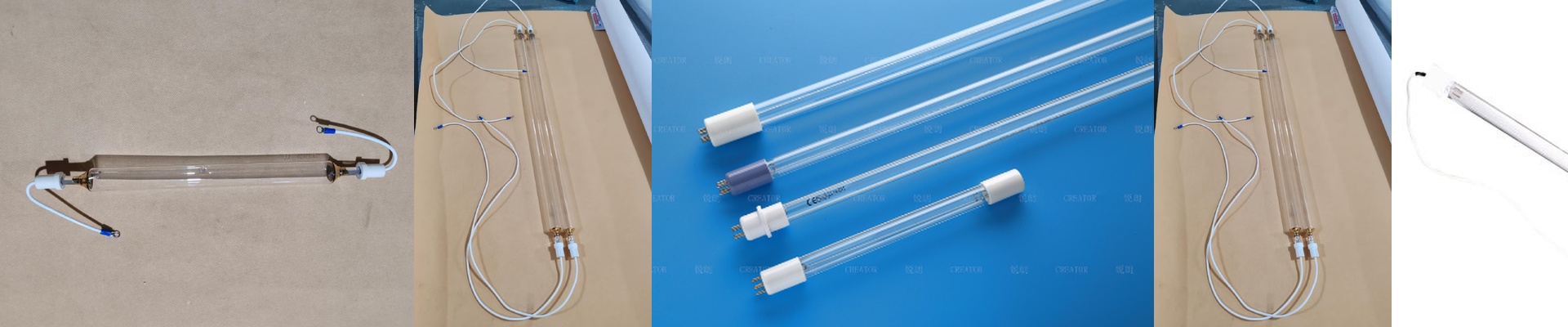
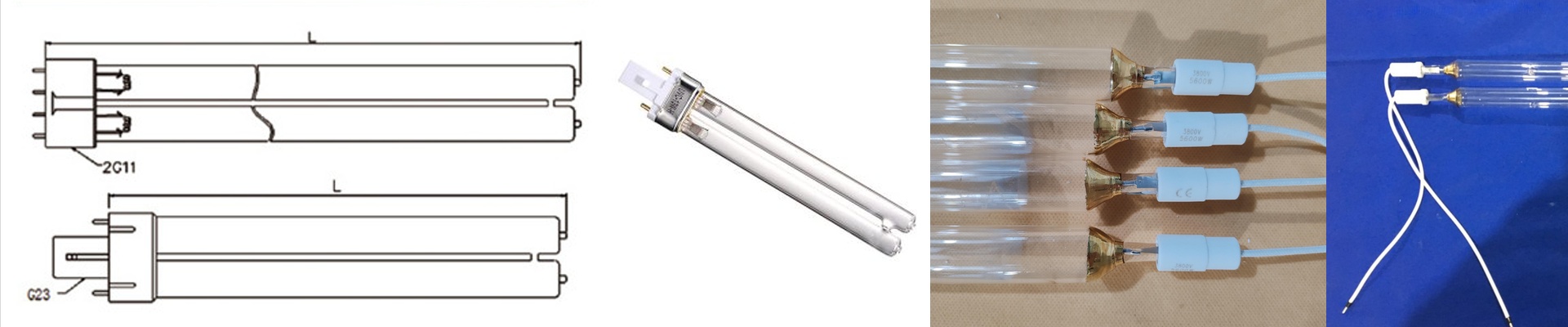
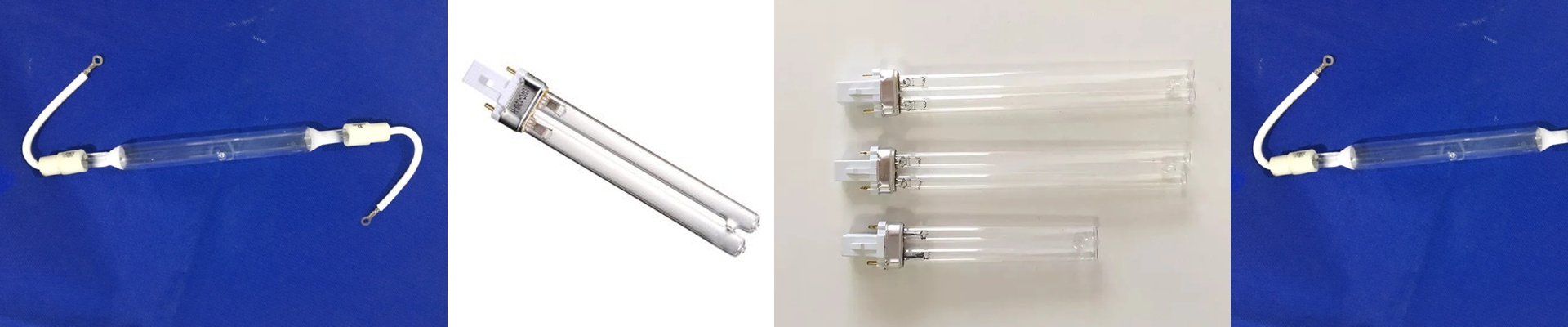
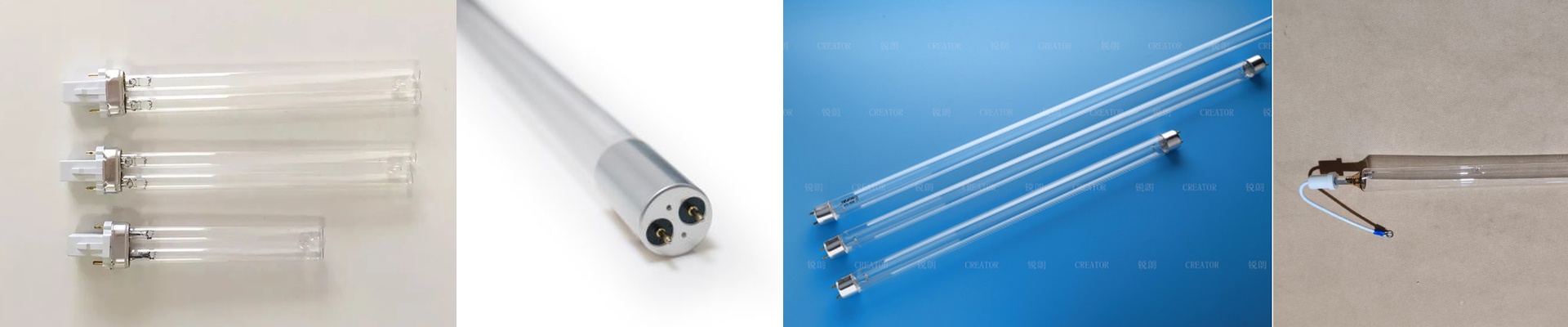
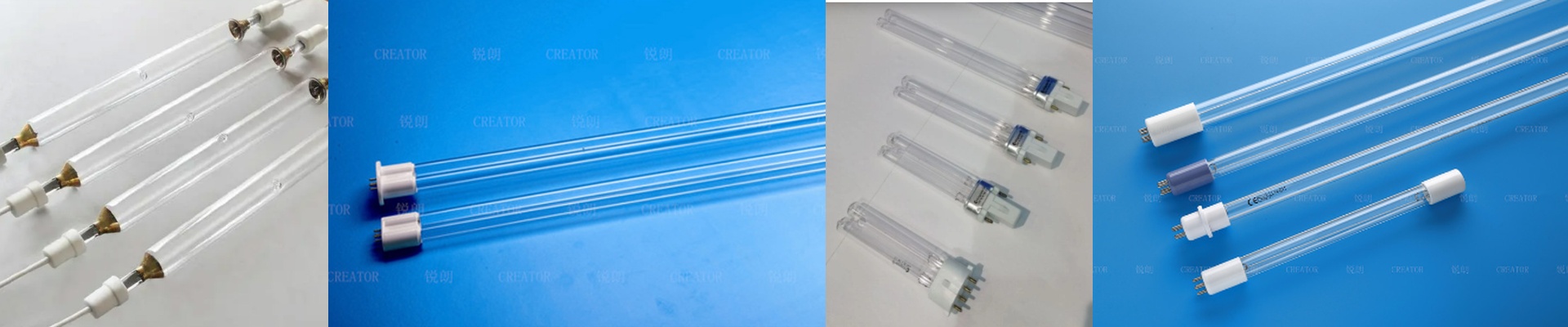
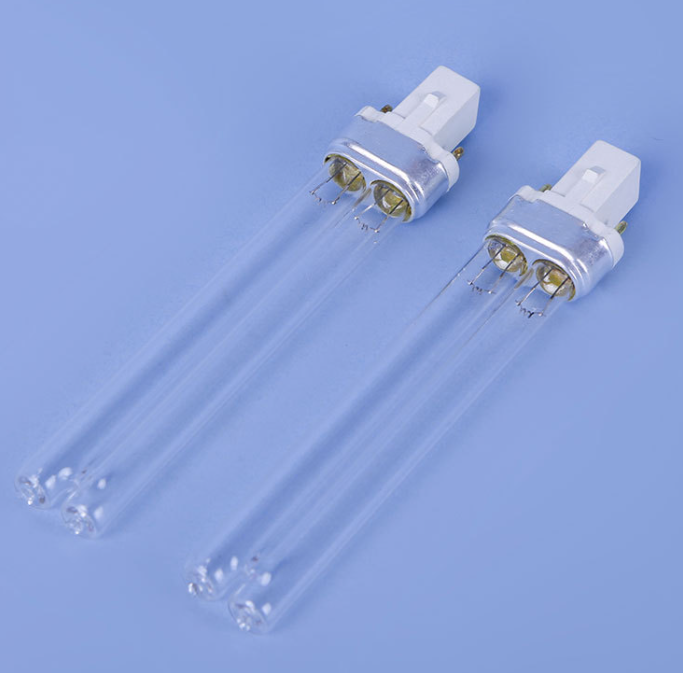
Getting UV Germicidal Lamps Right (Without the Headaches)
Look, these aren’t your average light bulbs. We’re talking about high-energy UVC radiation—usually hitting that 254nm sweet spot. In a printing or curing shop, they do the heavy lifting for both sterilization and chemical bonding. But if you get the specs wrong? You’re looking at broken gear or, worse, someone getting hurt. Keeping the radiation where it belongs UVC radiation is nasty. It can burn your skin and mess up your eyes almost instantly. That’s why we build everything with physical barriers. You want interlocking shields. The kind that kill the power the second a panel is opened. No exceptions. We usually stick with aluminum or UV-opaque polymers to stop any leaks. One quick tip: if you’re working in a tight space, don’t let your shielding choke the airflow. If the lamp overheats, the output drops and the bulb dies way faster than it should. Power and Heat: The Balancing Act The electrical side of things can be finicky. You need the right ballast control. If the voltage is off, the lamp will either flicker like a horror movie or fry the electrodes. We focus on keeping the current steady, which is a lifesaver in humid shops where “arc-over” usually happens. And then there’s the heat. High-wattage tubes get hot. Really hot. You’ve got to make sure your cooling system can actually keep up with the UV output. If your fans aren’t pulling that heat away, the quartz glass expands. Once that happens, the lamp is toast. Fitting it into your printing line Adding a UV stage isn’t as simple as plugging it in and walking away. It’s all about the dosage—basically, how strong the light is multiplied by how long the material stays under it. We help you dial this in based on your line speed. It’s a delicate balance. Too much exposure and your substrate becomes brittle. Too little? Your ink stays tacky and ruins the batch. We’ll give you the raw data you need so your curing stays consistent across the entire web. No guesswork, just a clean finish.