Let’s Be Honest About CE Certification for UV Tubes
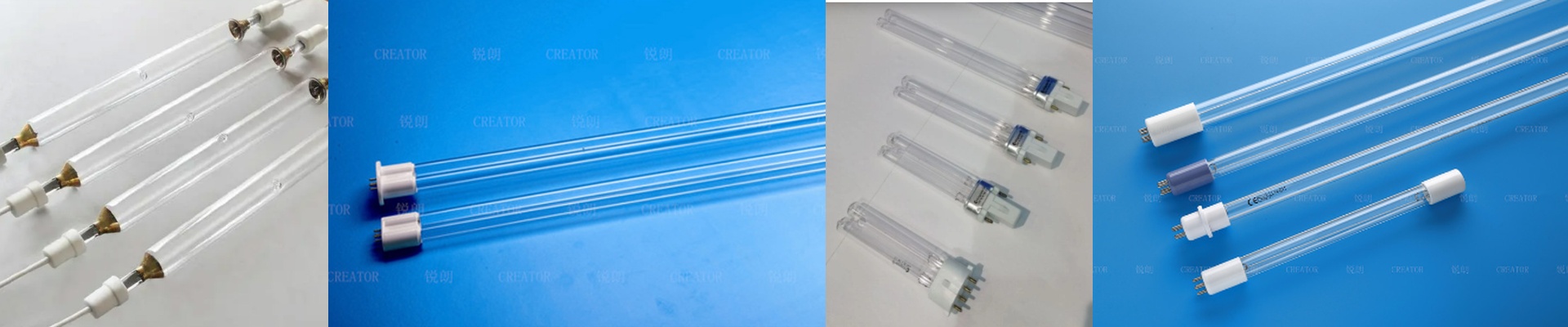
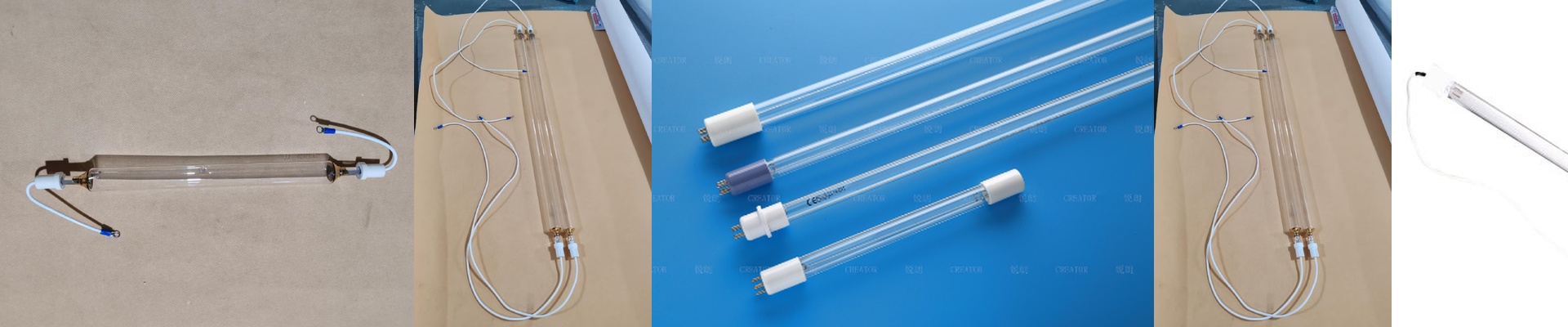
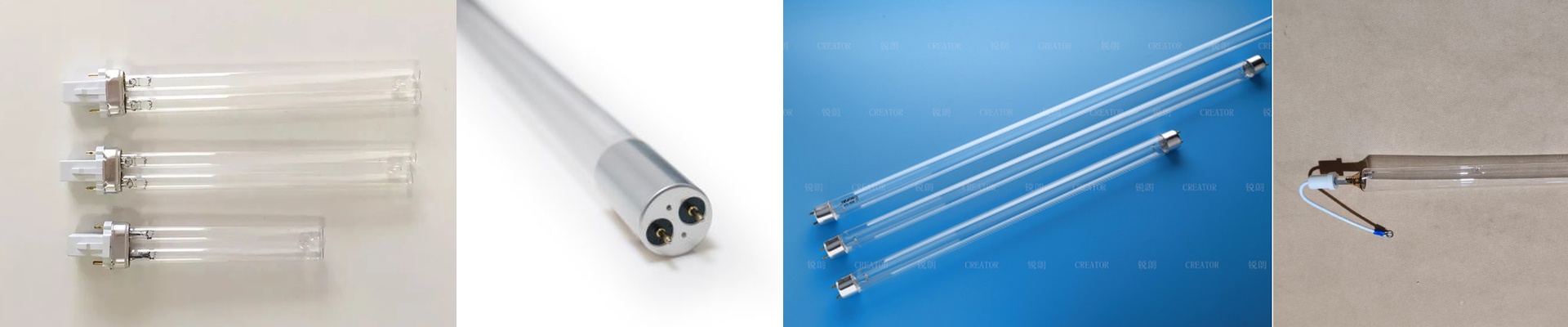
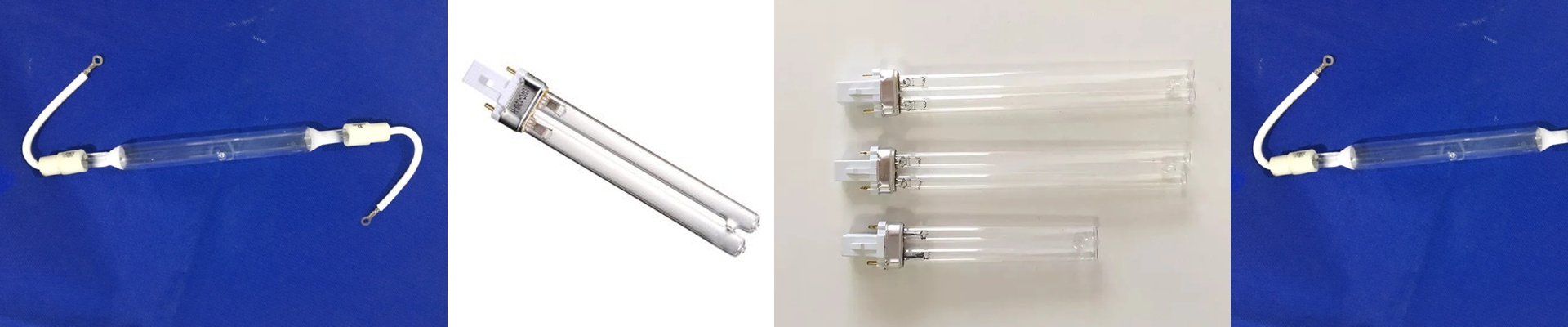
Most people see the CE mark as just another piece of paperwork—a boring bureaucratic hoop to jump through. But when you’re dealing with quartz UV lamps, it’s actually the only thing keeping your operation from becoming a disaster. If you’re selling wholesale in Europe or to high-end clients globally, this isn’t about a sticker. It’s about knowing the lamp won’t fry a circuit or leak something nasty the second it hits a standard load. The heat and the sparks Here is the thing: high-voltage ballasts are temperamental. We put our quartz glass through the ringer to check its dielectric strength. Why? Because nobody wants to see a tube arc at the seals the moment it’s wired up. Then there’s the heat. If you cram a high-wattage tube into a tight space, things get hot. Fast. CE standards basically force us to be honest about those thermal limits so you can spec a cooling system that actually works, rather than guessing and hoping for the best. Keeping the noise down UV lamps are noisy—not in the way you hear, but in the way your electronics feel. They create electromagnetic interference (EMI). Without the right shielding, these lamps can act like a jammer, messing with your sensors or the PLC controllers on your assembly line. That’s where the EMC part of the certification comes in. It means the lamp plays nice with other gear. Plus, we use high-purity synthetic quartz. It keeps the UV light strong and ensures the electrodes stay put, so you don’t have to deal with annoying flickers or lamps burning out way too early. The real-world stakes Shipping non-certified lamps is a gamble. You risk customs seizing your shipment or finding out your insurance is void the moment something goes wrong. When a tube is CE-certified, it’s just a drop-in replacement. You stop worrying about whether the thing will actually work and start focusing on how fast you can scale your production. Sure, getting certified adds a bit to the cost upfront. But that’s nothing compared to the nightmare of a field failure that shuts down a client’s entire PET blowing or curing line. For us, the certificate is just the proof that the lamp can actually handle the grit of industrial work.