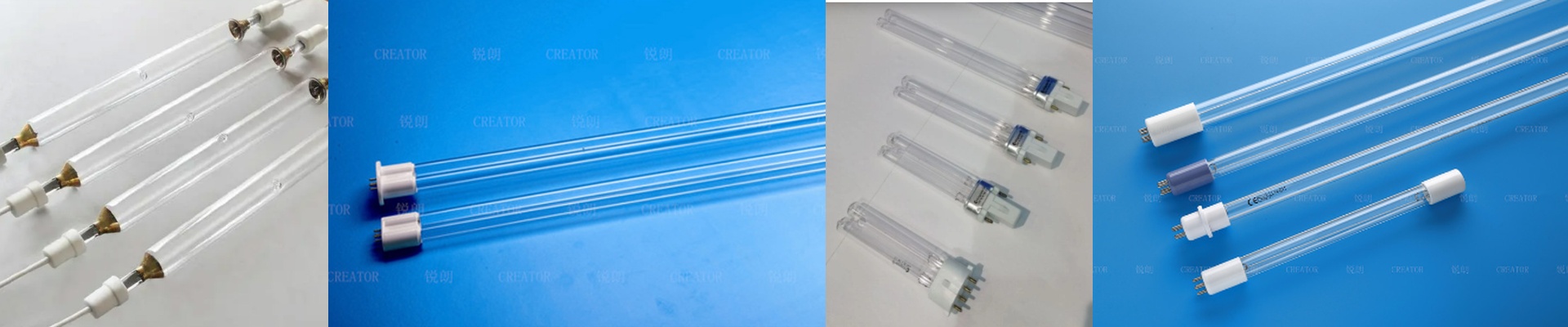
Why we stick with 120W/cm for our Mercury UV Lamps
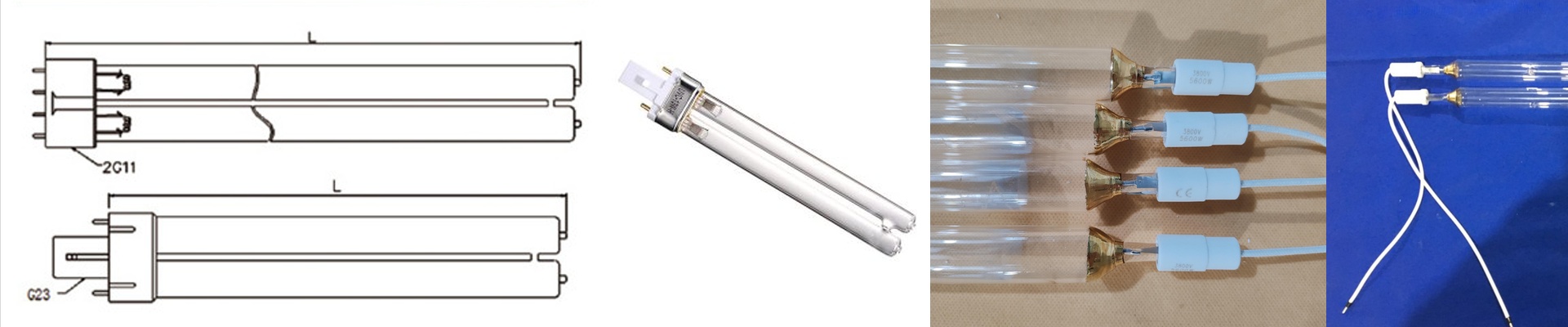
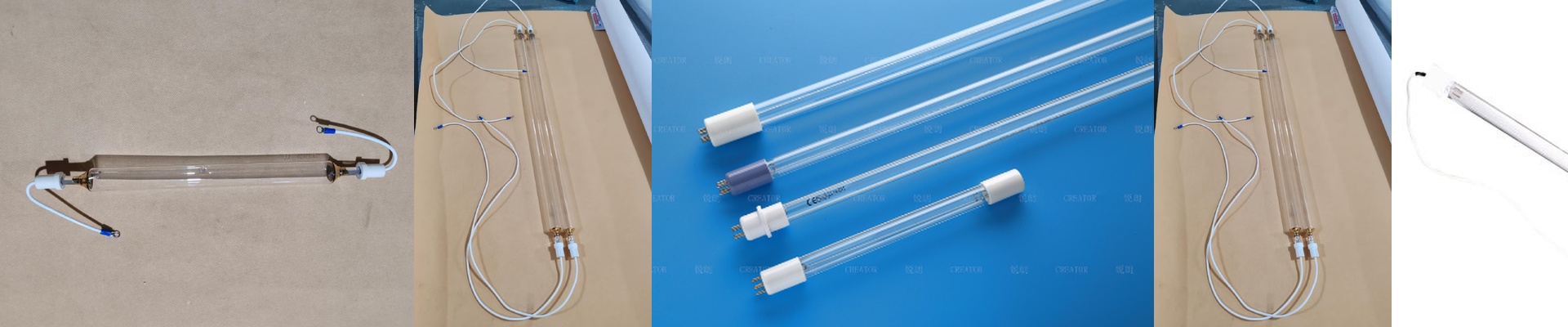
We build our standard mercury UV lamps at 120W/cm for a pretty simple reason: it’s the sweet spot. If you crank the wattage higher, you’re just asking for the electrodes to burn out early. But at 120W/cm, you get a steady, reliable output that hits the peak absorption of most photoinitiators. You get the cure you need without accidentally frying your substrate. Speed vs. Heat Here’s the deal with power density—it basically dictates how fast your line can move. Higher density means shorter exposure times, which means you can speed up the conveyor and get more product out the door. But there’s a catch. That much energy creates a lot of heat. If your cooling fans or water-jackets aren’t up to the task, the tube temperature will spike. When that happens, the spectral output shifts, and your lamp is going to die way sooner than it should. The Nitty-Gritty Inside the lamp, we use a mercury-discharge setup to create the shortwave UV radiation that triggers polymerization. We use a specific quartz envelope because it lets the light through without blocking it. The most critical part? The seal. We make sure the connection between the electrodes and the quartz is airtight. If even a tiny bit of air leaks in, the lamp is toast. Period. No More Waiting Around We know how frustrating it is to have a production spike and then realize you’re staring at a six-week lead time for custom parts. Nobody has time for that. That’s why we treat these 120W/cm units as “drop-in” replacements. We keep them on the shelf and ready to ship. When it’s time for scheduled downtime, you just swap them out and keep moving. No bottlenecks, no procurement nightmares—just a simple fix that lets you scale your output whenever the demand hits.