Don’t Let Your UV Lamps Become a Supply Chain Nightmare
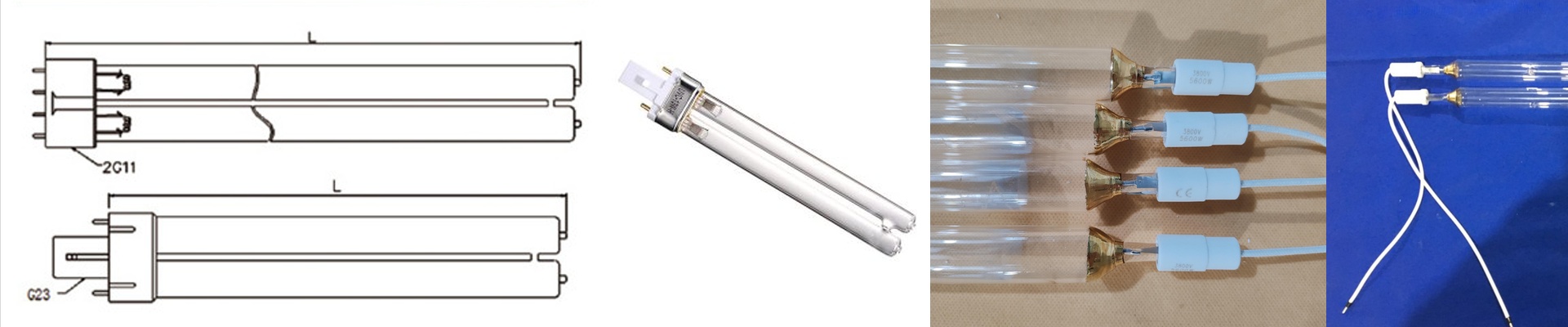
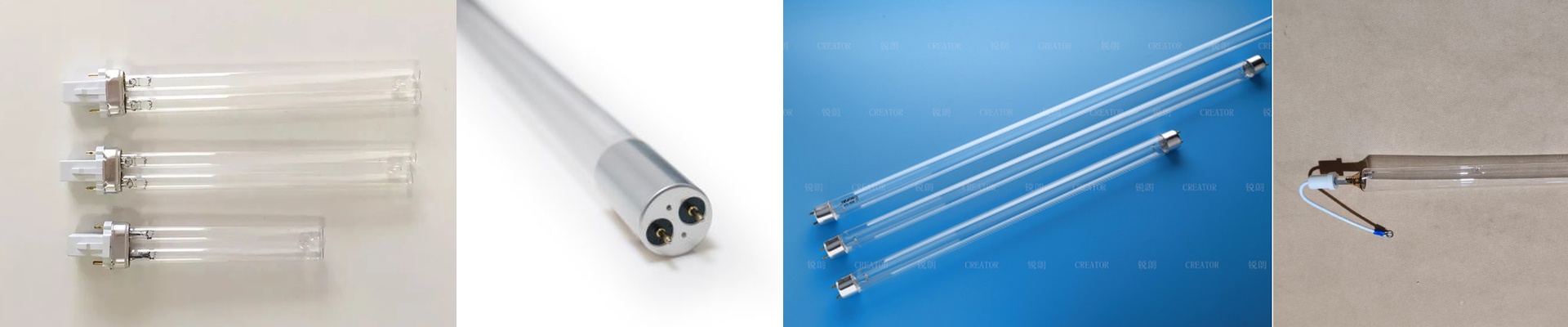
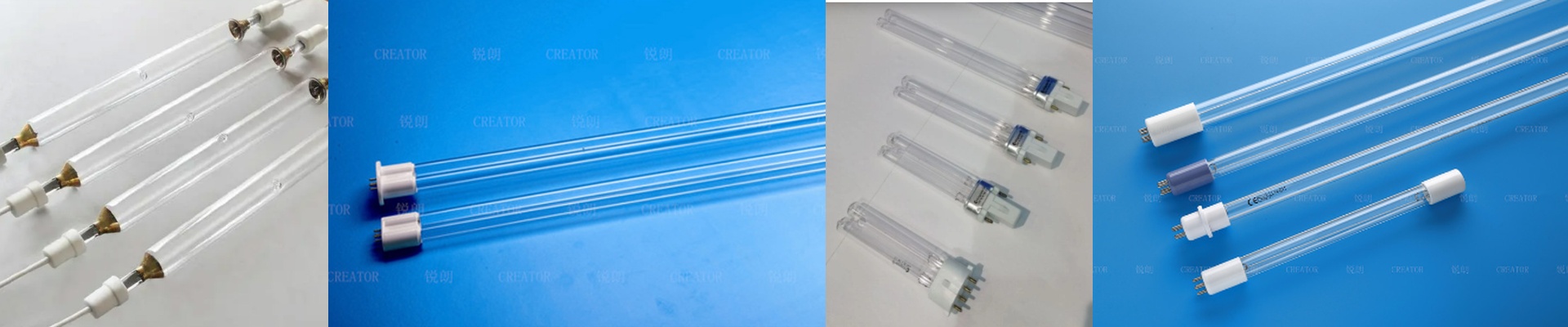
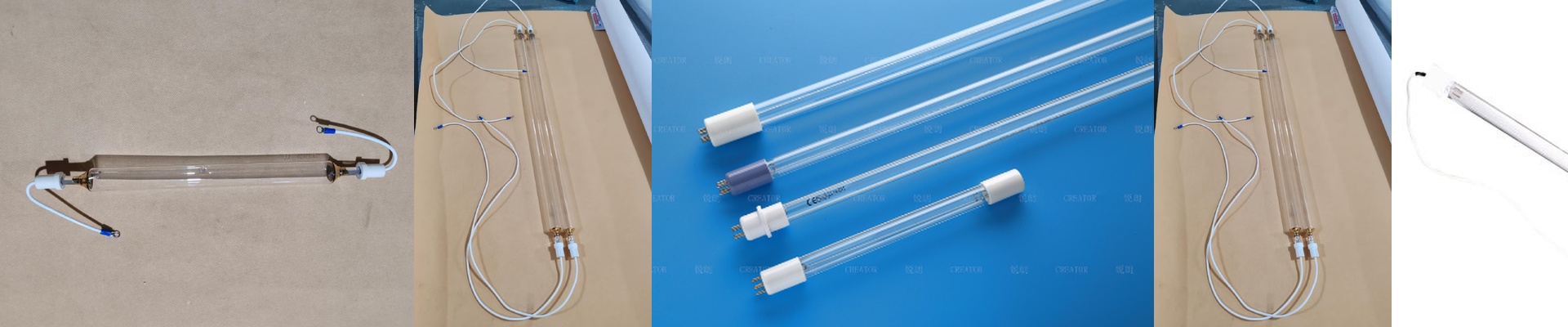
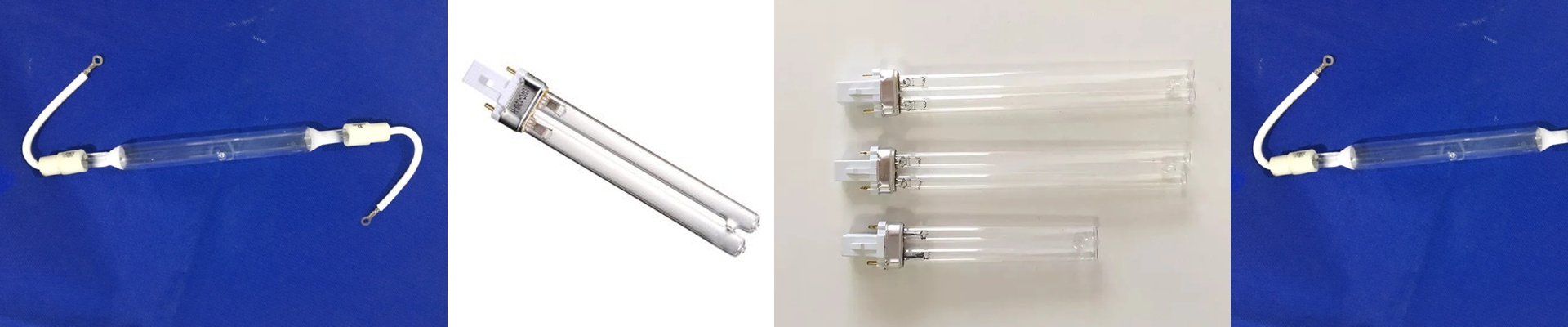
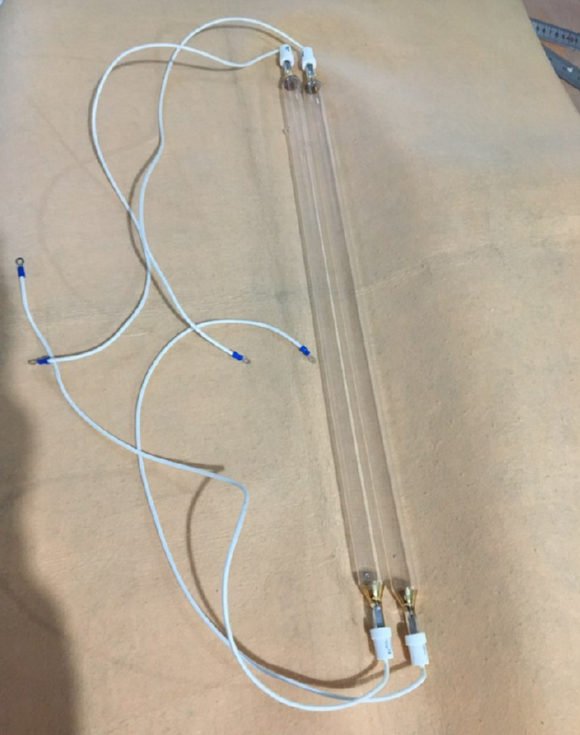
Standard mercury UV curing bulbs are the real workhorses of any coating line. They’re simple in theory—just mercury vapor and inert gases inside a quartz tube—but they’re the only thing standing between a perfect finish and a sticky mess. If the quartz isn’t pure or the arc isn’t stable, your cure rates start swinging. And in a production environment, “inconsistent” is just another word for “expensive.” Why the “tech” part actually matters We spend a lot of time obsessing over electrode shapes and gas-fill ratios. It sounds like overkill, but it’s the only way to keep the light output steady. Here’s the thing: when you buy a bulb without a proven track record, you’re gambling. You’ll likely deal with “spectral drift,” where the UV output just… wanders. Suddenly, your coatings aren’t curing properly, and you’re staring at a pile of scrap. By sticking with a supplier who owns their own patents, you get a bulb that just fits. It matches the OEM footprint and electrical load perfectly. No guessing. No tweaking. The headache of customs and IP Now, let’s talk about the risky part: shipping. Buying “generic” or unpatented lamps might save a few bucks upfront, but it’s a huge liability when you’re exporting machinery. Customs agents are on high alert for intellectual property (IP) theft these days. If they decide your components infringe on a patent, they won’t just ask questions—they’ll seize your shipment right at the border. That’s a nightmare nobody needs. Because we own our technology outright rather than licensing it from someone else, your supply chain stays open. No legal fights. No seized crates. Just parts arriving when they’re supposed to. A quick word on the heat One last thing. These high-output lamps get incredibly hot. Our designs are built to squeeze out every bit of UV power, but that energy density comes with a price. Your cooling fans and reflectors have to be spotless. If your airflow is choked up with dust, that quartz envelope is going to overheat and pop. Keep your cooling system dialed in. It’s the easiest way to make your bulbs last longer.