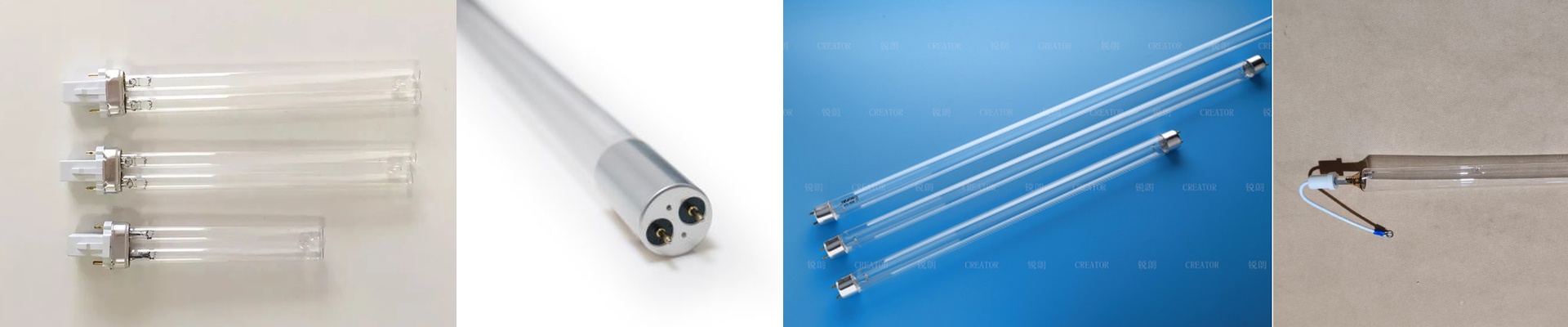
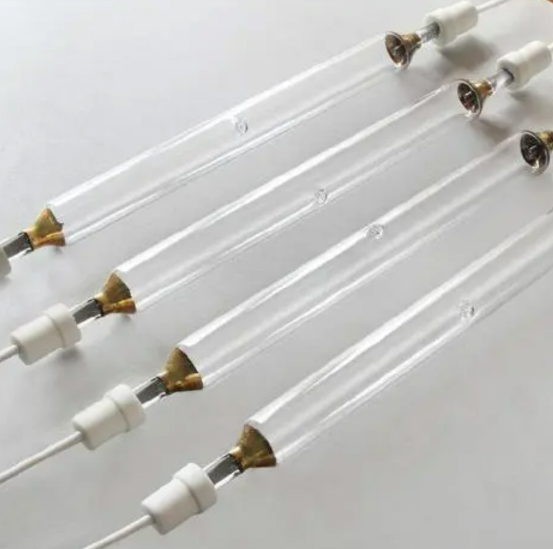
The Truth About UV Lamps: It’s More Than Just Glass
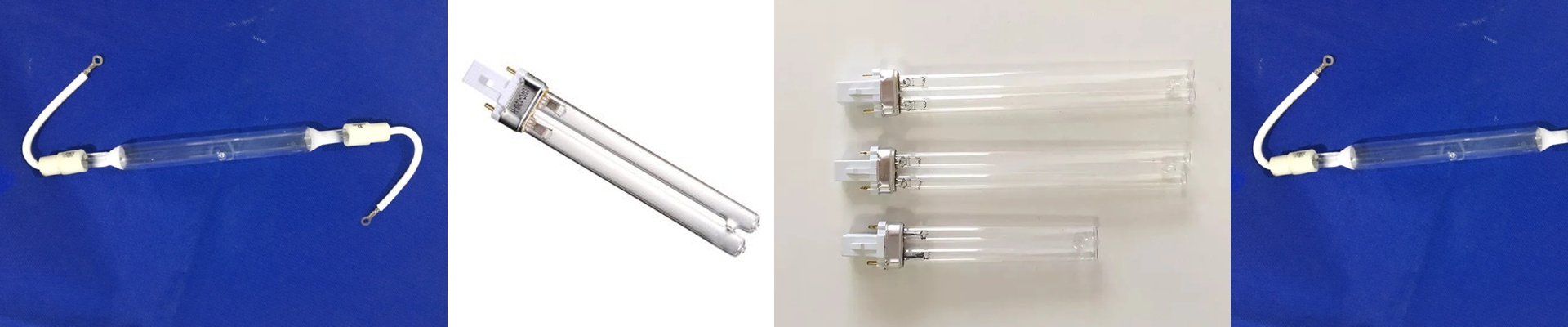
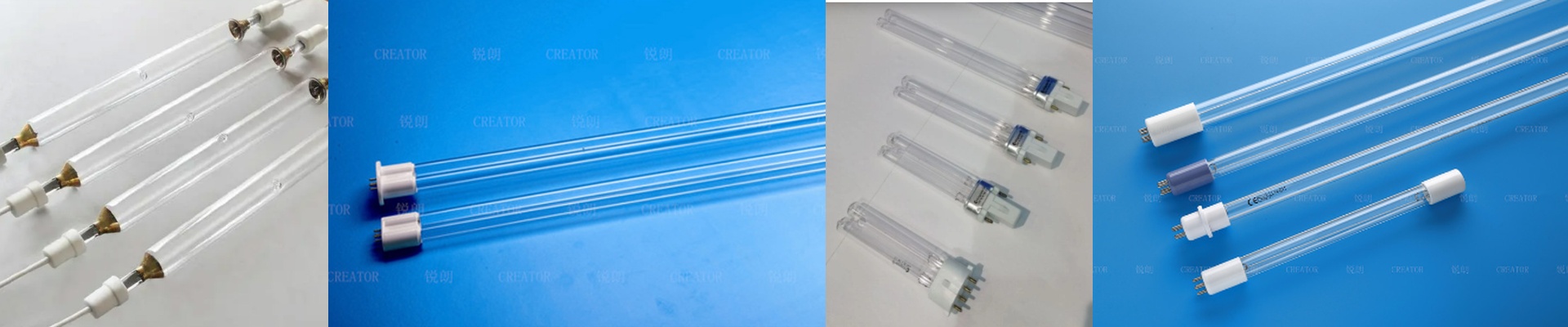
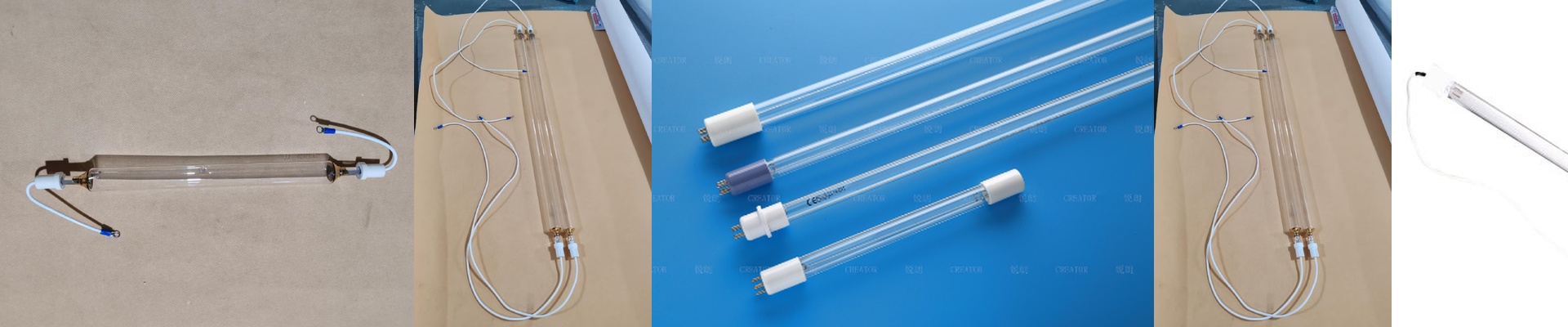
Most people look at a UV lamp and see a glass tube with a wire inside. Simple, right? But after 15 years of tinkering with our production line, we’ve learned it’s actually a balancing act of physics and heat. We build these for two specific goals: snapping molecular bonds for an instant cure or shredding microbial DNA to get things sterile.
Getting the Power Right
Here’s the thing about voltage. When you cram a lot of power into a short tube, you get a concentrated blast of UV light. If you’re running a fast conveyor belt, your product only has a few milliseconds under the lamp. That’s where the magic happens. But you have to keep the arc stable. If your voltage jumps around, your curing depth drops. You end up with surfaces that feel tacky to the touch or, worse, a sterilization job that didn’t actually finish.
Why the Materials Matter
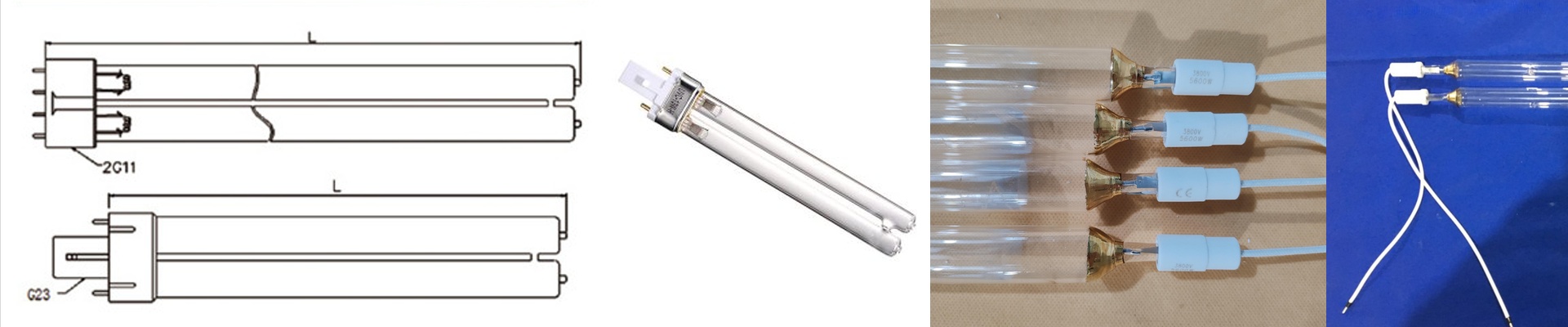
We use high-purity fused quartz. Why? Because regular glass basically acts like a wall to UV-C rays. Quartz lets them fly right through. We spent years hunting for the right kind of quartz that doesn’t “solarize.” You know, that annoying thing where the glass turns brown over time and kills your output? We fixed that. Then there are the electrodes. This is usually where lamps give up the ghost. We use heavy-duty alloys so the ends don’t burn out when you’re constantly flipping the power on and off. And we stick to standard connectors like R7s or Sk15. No one wants to deal with custom adapters and weird wiring.
The Heat Struggle
Now, let’s be honest about the trade-offs. High-output lamps gethot. Really hot. Sure, a high-wattage tube cuts your curing time down to almost nothing, but it puts a massive strain on your cooling fans. If your airflow isn’t up to the task, the tube overheats and your filament dies early. It’s a tug-of-war between how much UV intensity you need and how much heat your machine can actually handle. We provide the raw power—you just have to make sure you’ve got the breeze to keep it cool.