Forget Just Drying Ink: Let’s Talk UV Sterilization
For a long time, most people thought of UV tech as just a way to cure resins or dry ink fast. But things have changed. We’re moving toward something much more precise: sterilization. In a modern shop, this isn’t just about plugging in a lamp. It’s about UV-C emitters that actually talk to your PLC, adjusting their power on the fly based on how fast your line is moving.
Getting the Energy Right
Here’s the thing about old UV systems: they waste a ton of energy as heat. It’s inefficient. We do things differently by focusing on the spectral output. By narrowing that emission peak to 254nm, we make sure the photons are actually doing the hard work—breaking microbial DNA—instead of just warming up your conveyor belt. The result? You can run lower wattage lamps and still hit your kill targets. You get the sterilization you need without the massive power bill.
The Hardware Side of Things
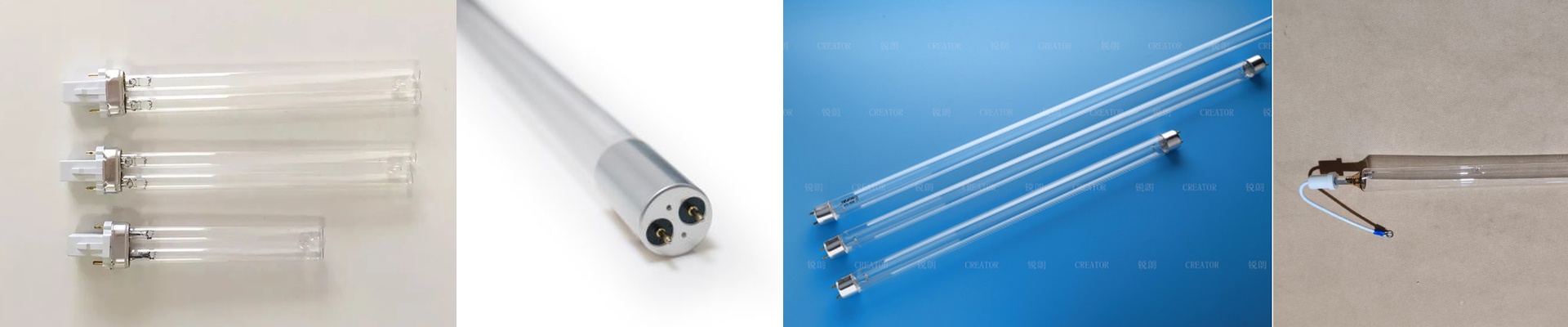
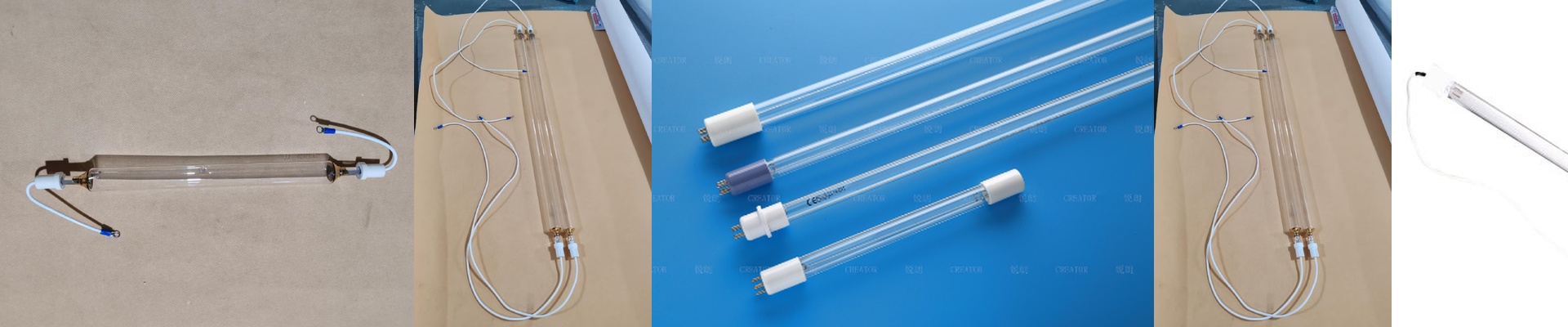
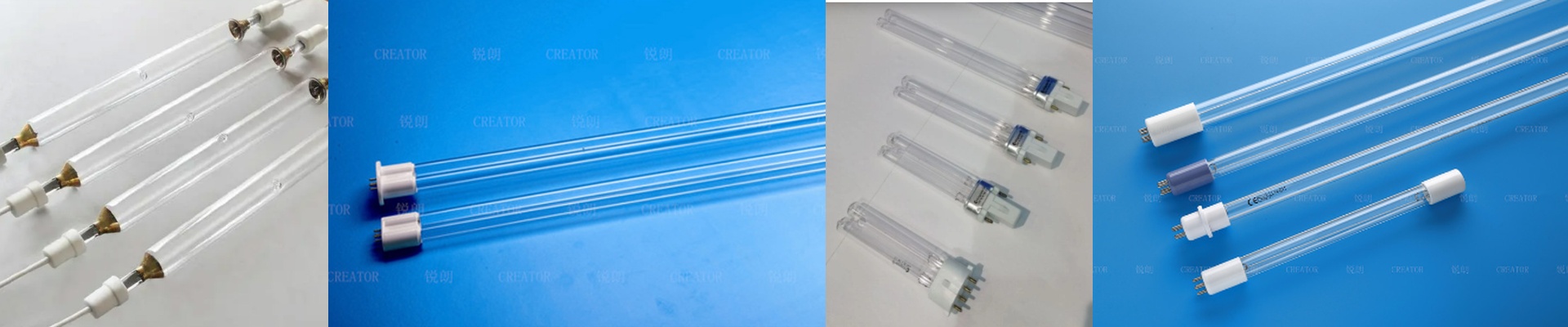
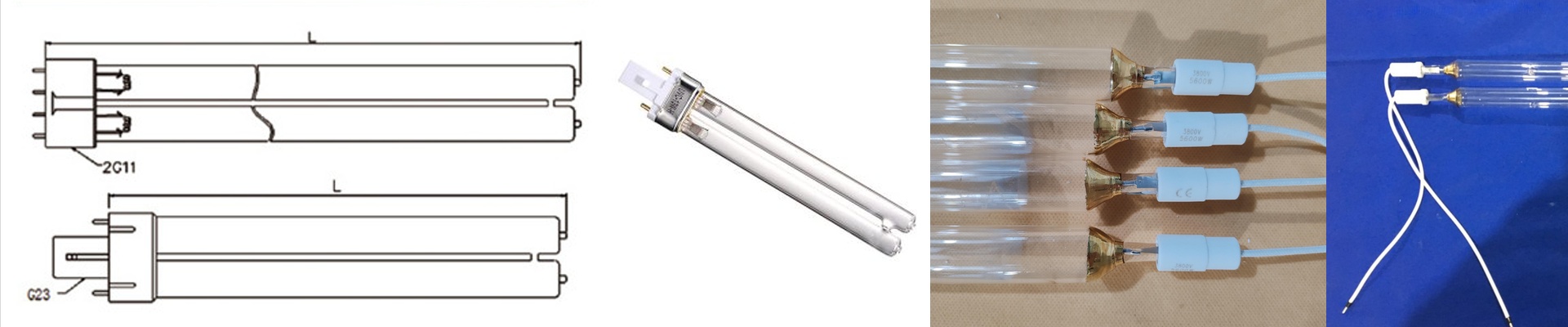
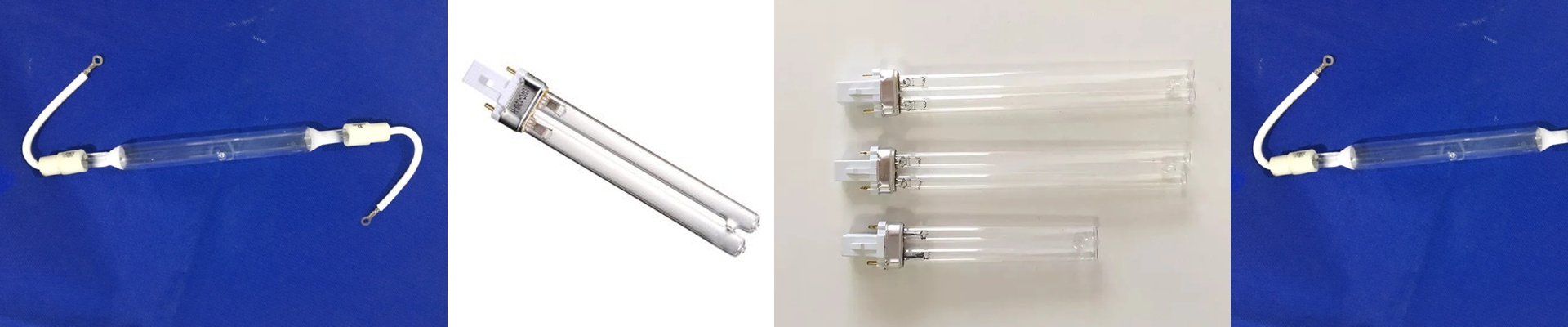
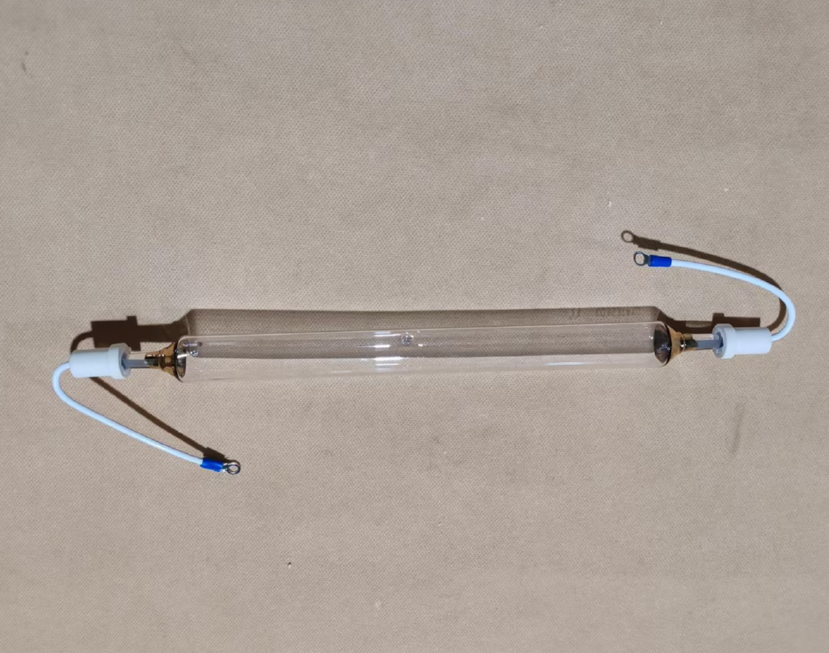
We design these systems to be drop-in replacements. If you’re retrofitting an old line, we know space is tight. That’s why we keep the footprint small. We also use high-purity quartz sleeves. Why? Because they stop the UV from getting absorbed. These sleeves take a beating from industrial dust and harsh chemicals, so we make sure they can handle thermal shock without cracking. But a quick word of warning on your ballast settings. If you try to “over-drive” the lamps to get more intensity, you’re just going to fry the filaments. It’s a trade-off. Higher intensity means a shorter lamp life. We usually suggest balancing your irradiance levels with the belt speed. It’s the best way to get the most hours out of your tubes.
Making it Work on the Floor
When you plug this into a smart factory, your UV system stops being a “black box” and starts giving you actual data. We use sensors that track UV intensity in real-time. If a lamp starts to dip below the required mW/cm², the system flags it immediately. No more guessing. You don’t have to wonder if your product is contaminated or guess when it’s time to swap out a bulb. You just look at the degradation data and change them when they actually need it. It makes QC a whole lot less stressful.