Getting Your UV Curing Right (Without the Brand-Name Markup)
Let’s be honest: UV curing is all about the light. If the spectral output isn’t exactly where it needs to be, your polymers won’t set, and your product is ruined. For those of you building your own systems or partnering with ODMs, the struggle is usually the same. You want the performance of those big, Tier-1 brands, but you don’t want to pay a “logo tax” just to get a lamp that actually works. That’s where we come in. We build our lamps to hit those same industry benchmarks. In fact, we’re so sure about it that if our lamps don’t match the curing speed and surface hardness of the top-tier competitors at our price point, we’ll give you your money back. Simple as that.
Balancing Power and Heat
It’s a bit of a balancing act. You’ve got wattage, tube length, and the distance to your product—all fighting for the win. We spec our lamps to make sure the UV intensity is steady across the whole area. No dead spots. But here’s the thing: when you crank up the wattage to speed up your line, you’re going to get a lot of heat. **Keep an eye on your conveyor speed and cooling fans.**If they aren’t in sync, you’re looking at warped parts or lamp ends that burn out way too soon.
The Nitty-Gritty of the Build
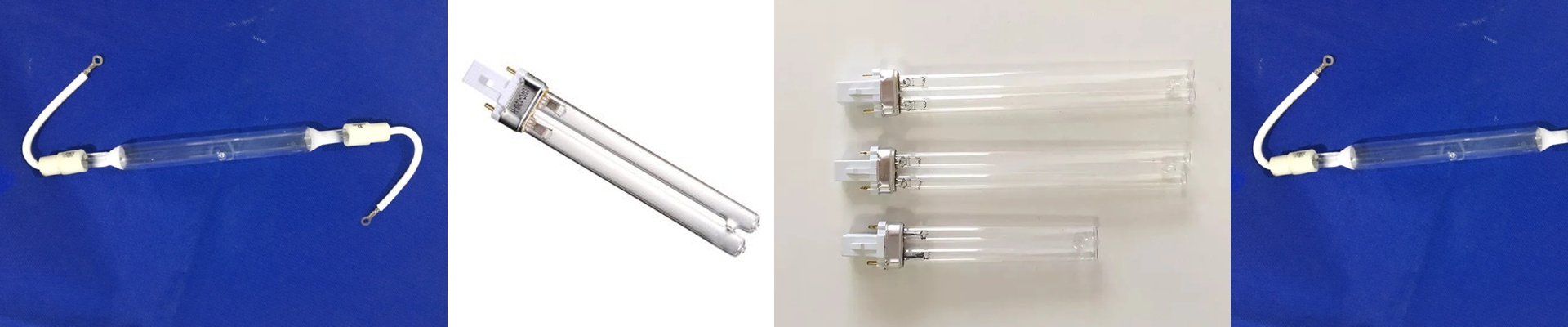
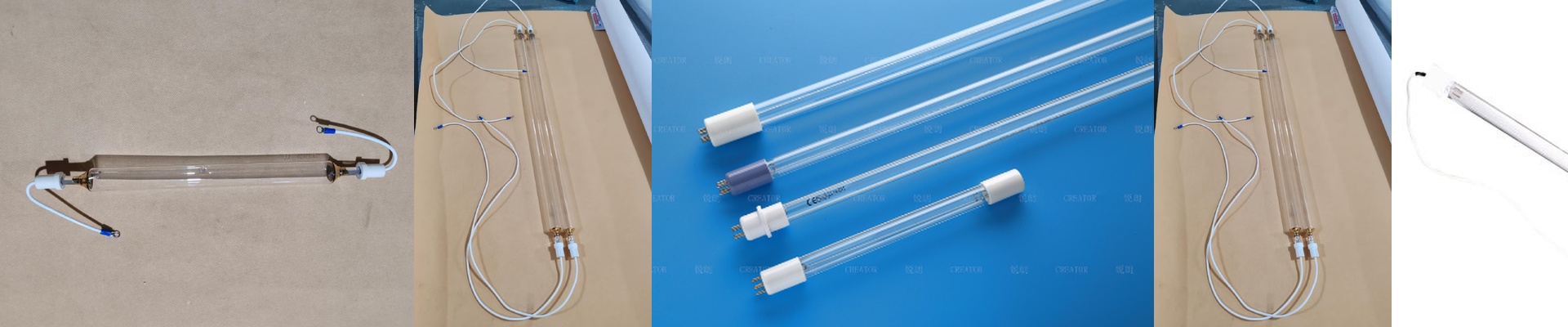
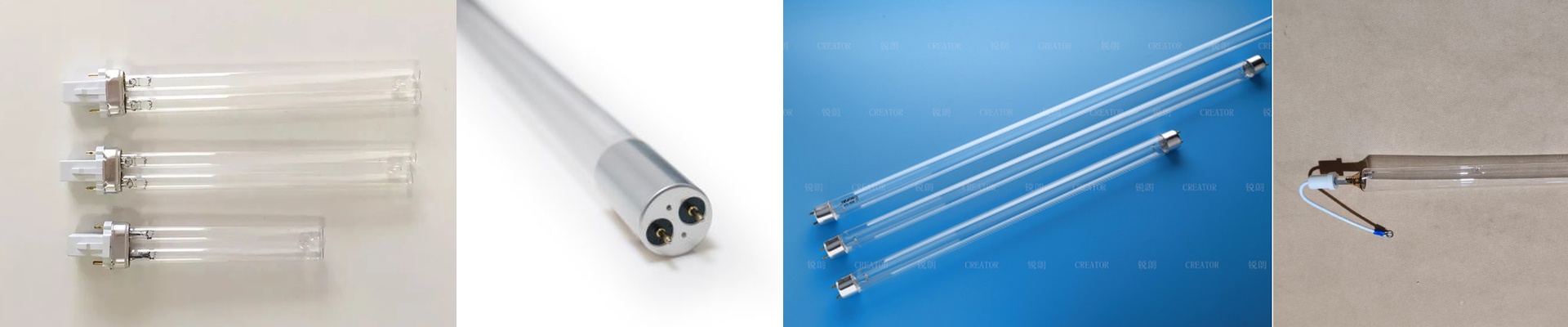
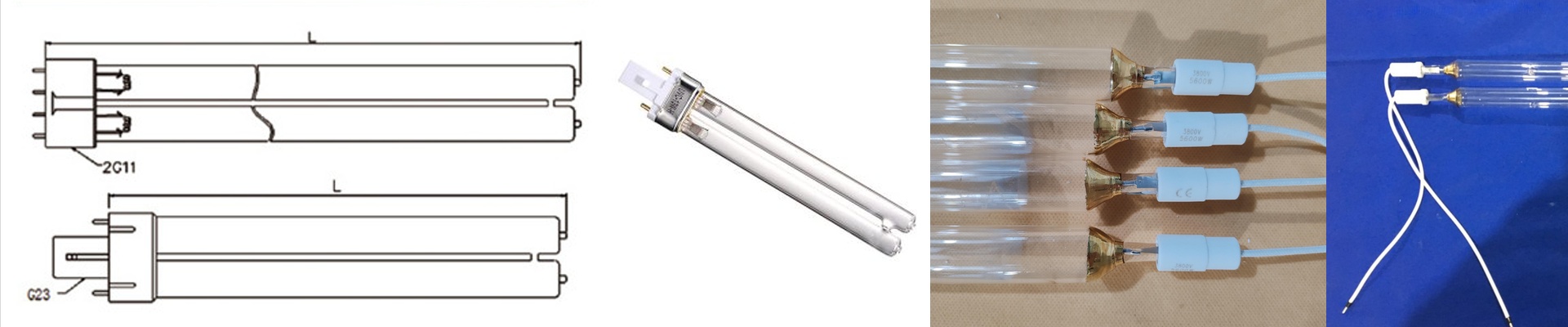
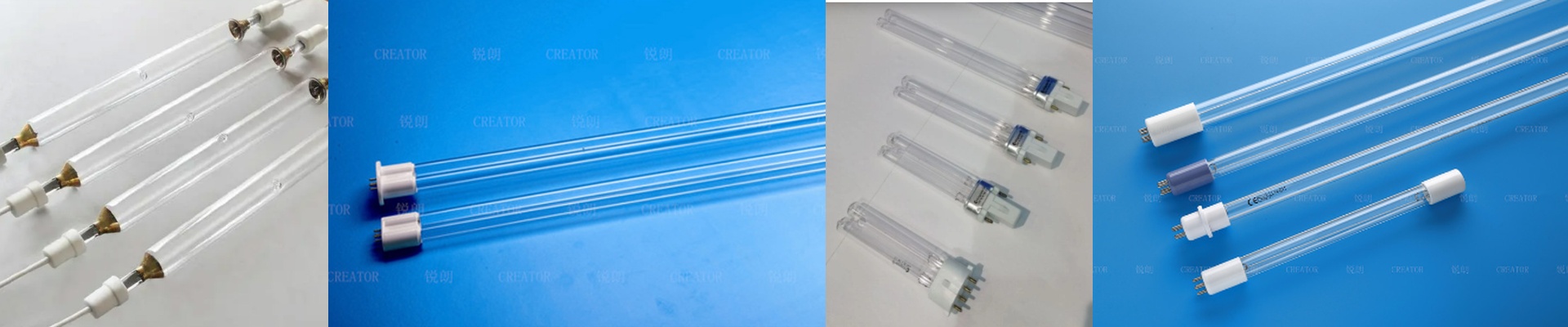
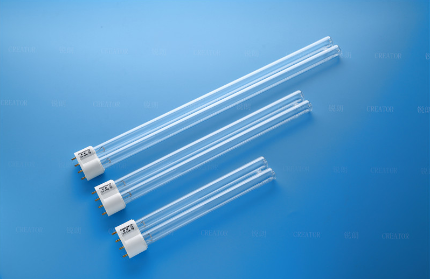
We use high-purity quartz glass. Why? Because it lets the UV light through without soaking it up. We also put a lot of work into the electrodes. They’re designed to resist sputtering, which is just a fancy way of saying the tube stays clear and keeps pumping out light for thousands of hours. If you’re working on an ODM project, we can handle the boring stuff like connector footprints. Whether you need a specific pin setup or a weird custom length, we just build it to your blueprint. They’ll slide right into your existing housings without any fuss.
A Few Things to Watch Out For
UV lamps aren’t exactly “plug and play” in every shop. If your workspace is really humid or you’ve got chemical vapors floating around, that quartz glass can degrade over time. It happens. And please, double-check your ballast before you wire everything up. If the voltage or current is off, you’ll either kill the lamp’s lifespan or end up with some parts that just aren’t cured properly. We’ll handle the physics of the light. You just worry about how fast you can move your line.