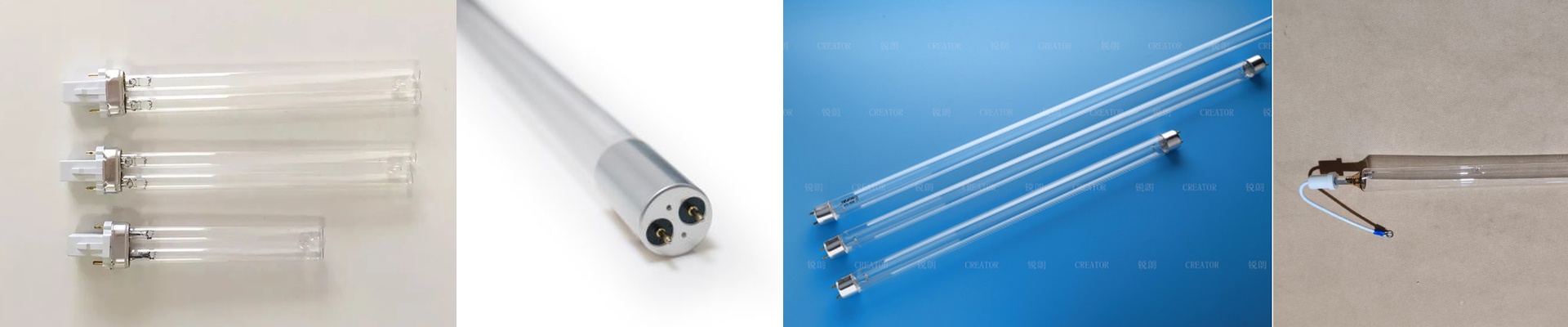
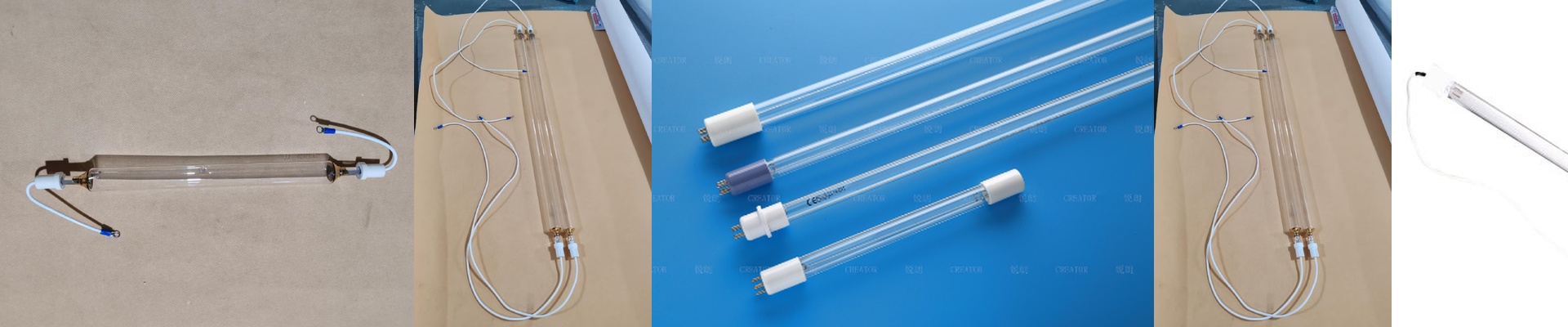
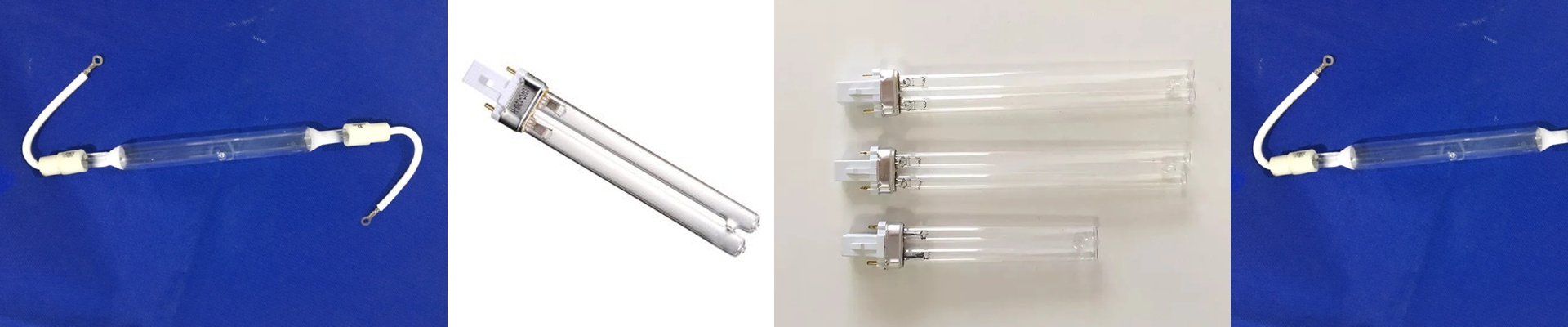
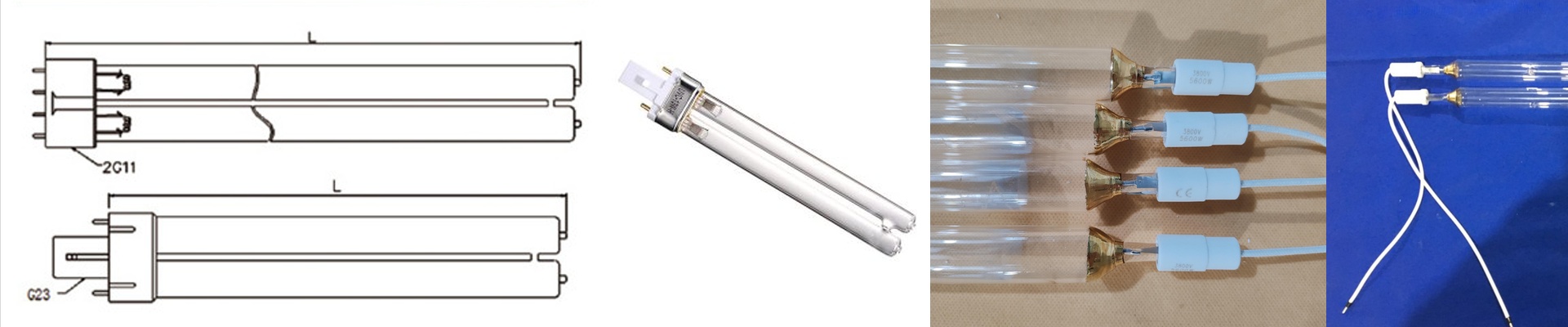
Getting the Most Out of Gallium Iodide UV Lamps
Let’s be honest: most people don’t think about UV lamps until something goes wrong on the line. But if you’re in semiconductor fab or high-end curing, you know these aren’t just “light bulbs.” They’re precision tools. We’ve spent 15 years obsessing over the chemistry and those tricky glass-to-metal seals. Why? Because we wanted to build something that hits the same stability as the big international brands without the headache.
The Secret Sauce (and the Physics)
It all comes down to the mix of gallium and iodine. When the arc strikes, the gallium atoms get excited and throw off that narrow-band UV radiation you need. Here’s the catch: purity is everything. If the gas isn’t perfectly clean or the pressure is off by a hair, you get “spectral drift.” In plain English? You get weird peaks in your light spectrum that can completely ruin a cure. It’s a nightmare to fix once it happens, so we get it right the first time.
Built to Handle the Heat
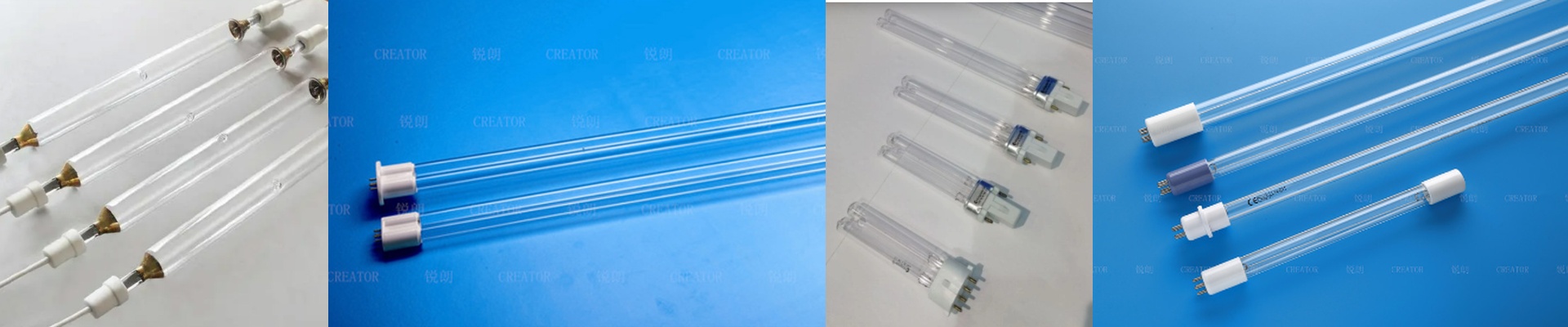
We use high-purity fused quartz for the housing. It has to be. These lamps go from cold to screaming hot in seconds, and cheap materials would just shatter under that kind of thermal shock. We also spec our electrodes to fight off sputtering. That means your tube stays clear longer instead of turning a murky grey. One big warning, though. These things run incredibly hot. If your housing doesn’t have great airflow or a solid cooling system, you’re asking for trouble. You don’t want to find out the hard way that your sockets have melted or the quartz has softened. And the seals? They’re tight. Like, airtight. A single leak of oxygen will kill a lamp instantly.
Swapping Them Out
We made these as drop-in replacements. The dimensions and pinouts are exact, so you can just slide them into your existing industrial arrays. No need to mess with your ballast or rewire your power supply. It just works. But remember, these aren’t forever. Gallium eventually migrates and electrodes wear down. You’ll notice the intensity dipping over time. My best advice? Keep a log of your runtime hours. It’s much easier to swap a lamp on a scheduled Tuesday than it is to deal with a failed batch of product because your UV output dropped below the threshold.