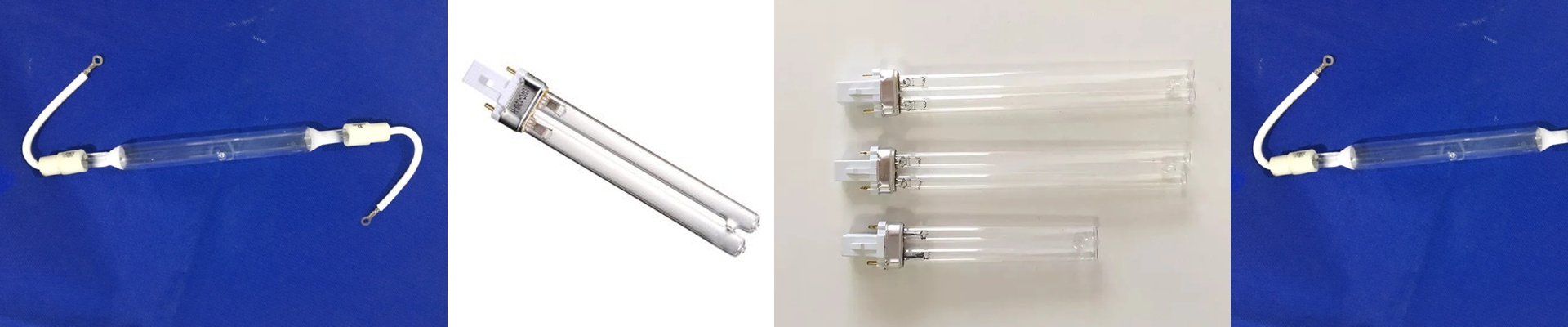
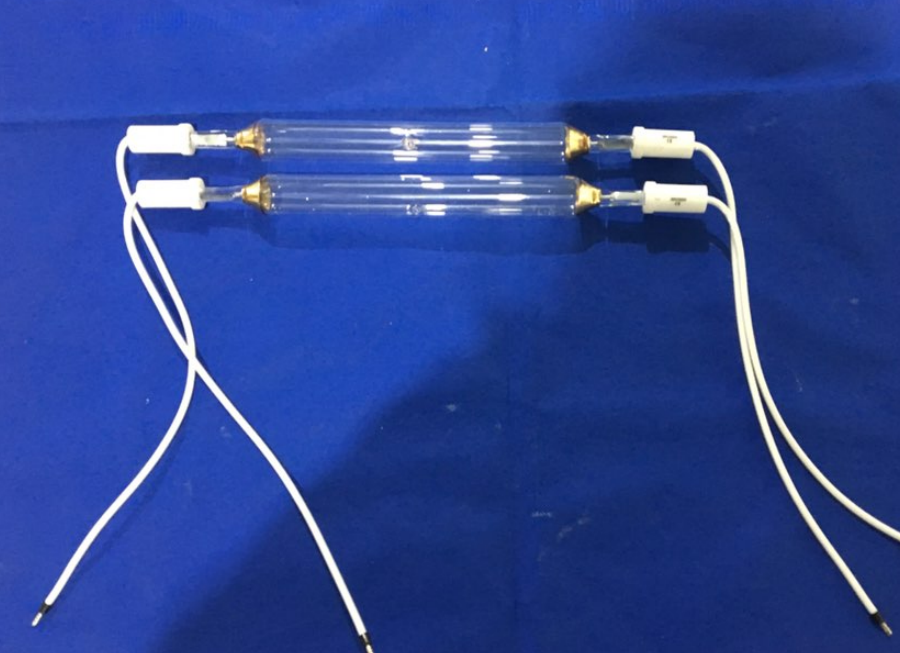
Getting the Most Out of Gallium Iodide Lamps for UV Curing
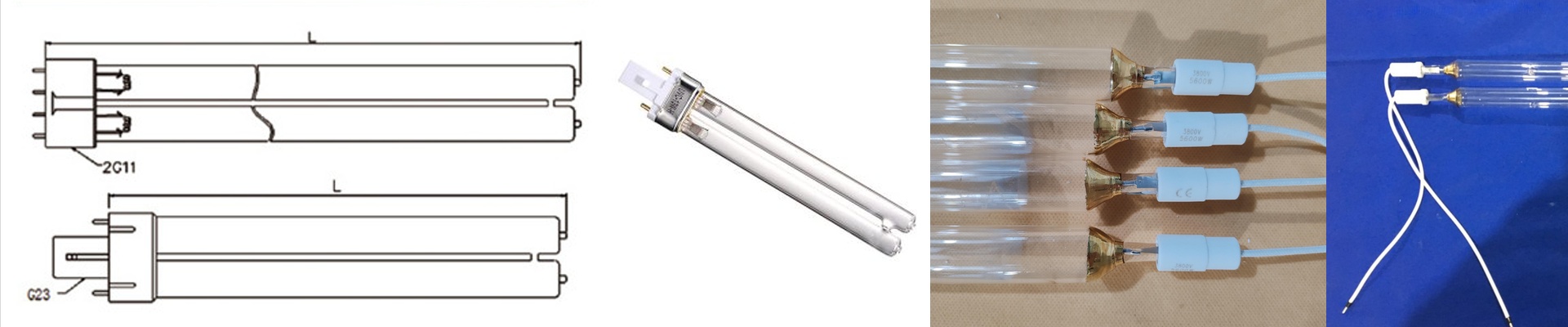
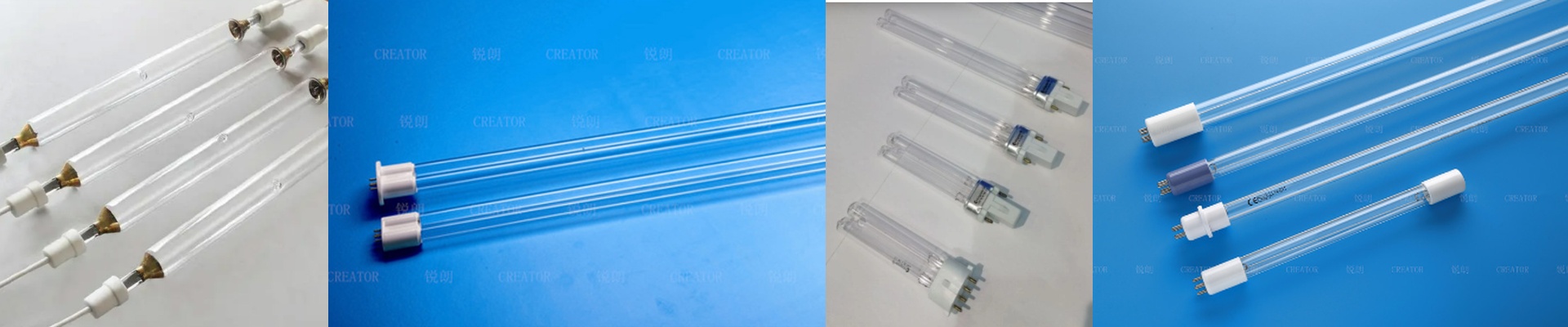
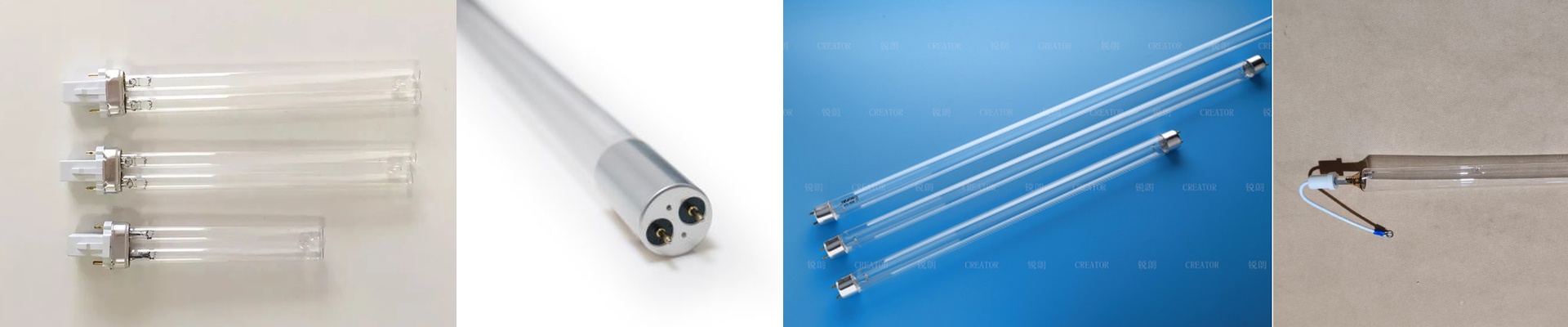
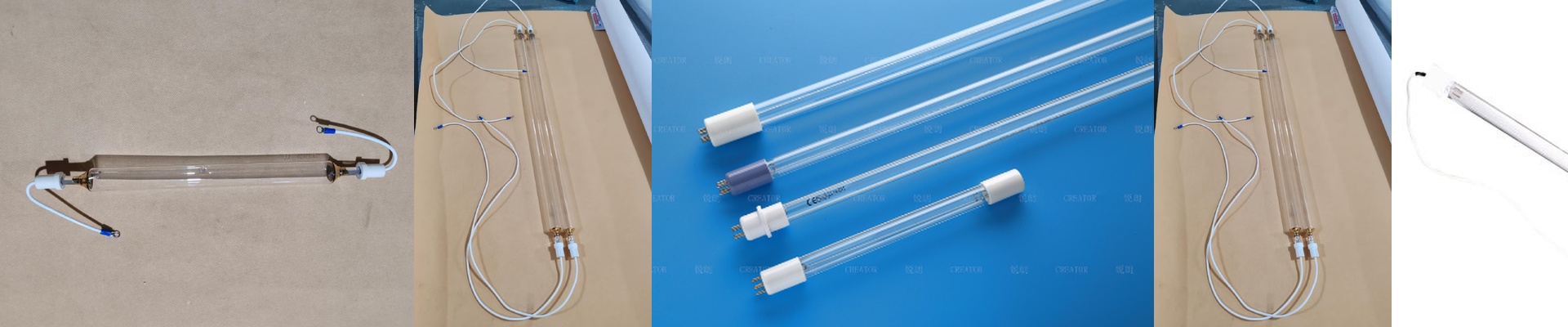
Let’s talk about gallium iodide lamps. If you’re working with industrial inks and coatings, you know the struggle of getting that perfect, instant cure. We build these lamps specifically to hit the exact energy levels needed to make photopolymerization actually happen—fast. The science bit (made simple) Most people are used to standard mercury lamps, but gallium iodide is a different beast. We’ve shifted the emission peaks so they line up perfectly with your photoinitiators. What does that actually mean for you? Your surface cures way faster. Plus, we spend a lot of time tweaking the gas mix and iodide levels. Why? Because nobody wants a lamp that flickers or loses its punch halfway through a long production run. It just stays steady. Dealing with the heat Here is the thing: these lamps get hot. Really hot. When you’re planning your printing line, you can’t just ignore the thermal side of things. High-wattage gallium lamps throw off a lot of infrared radiation along with the UV. If your cooling fans are weak or your water-jackets are undersized, you’re going to have a bad time. You’ll either scorch your substrate or kill the lamp’s lifespan. We build our envelopes to take a beating from these thermal cycles, but you still need a solid heat sink. Don’t skimp there, or you’ll be replacing bulbs way too often. Speeding up your line In high-speed printing, these lamps are the real workhorses. They give you that “instant dry” feel, so your prints can move down the conveyor and be handled immediately. No smudging, no waiting, no headaches. We obsess over the stability of the arc. If the light dips even a little, you end up with uncured ink, and that’s a nightmare to clean up. To stop that from happening, we keep the quartz purity high and the electrode positioning tight. The best part? You can usually just swap these into your existing UV arrays. It’s a quick way to bump up your line speed without ripping out your whole setup. Just do yourself a favor and double-check that your ballast settings match the lamp’s voltage before you flip the switch.