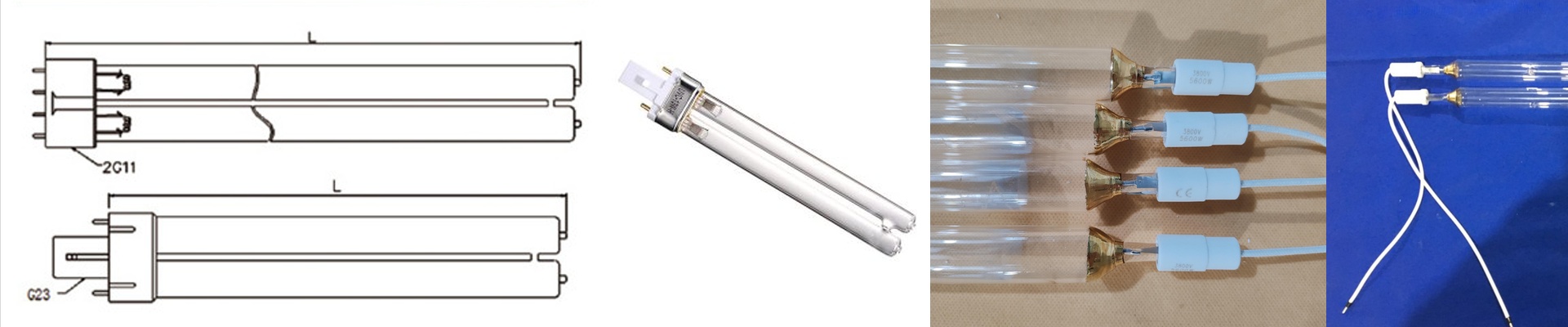

Getting Your PCB Exposure Right with Gallium Iodide Lamps
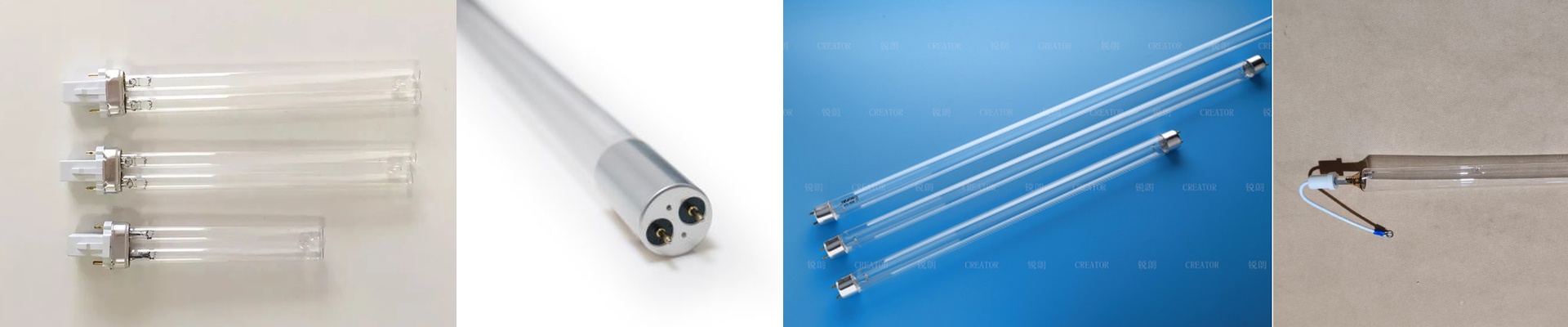
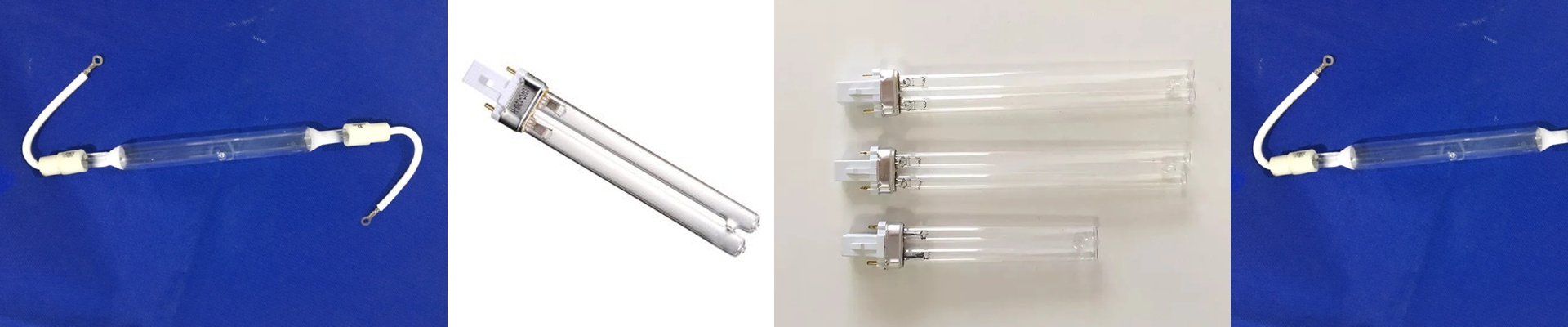
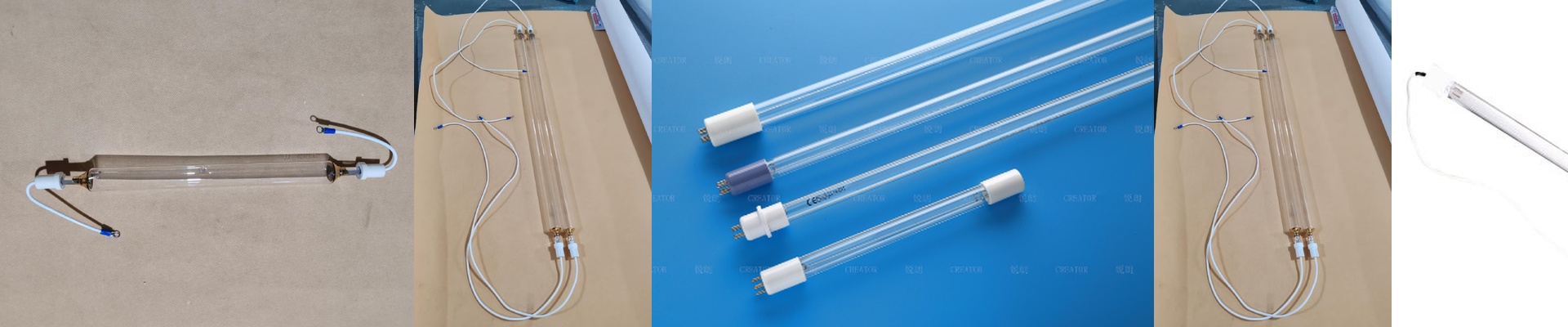
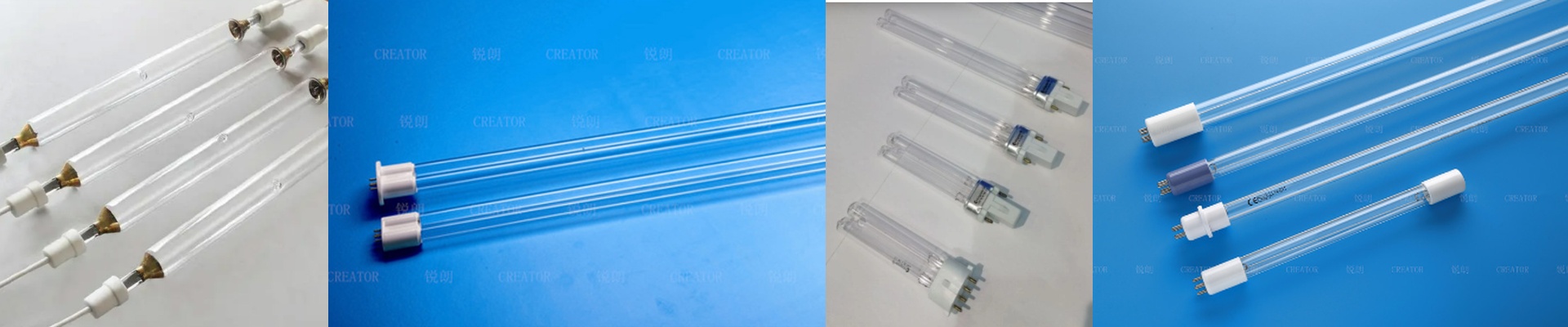
If you’re running a PCB line, you know the drill: the photoresist needs to harden perfectly, or the whole batch is scrap. That’s where Gallium Iodide (GaI) lamps come in. Most people start with standard mercury lamps, but GaI is different. It focuses everything on a narrow 254nm band. We build these specifically to pump out high-intensity UV-C so your resist cures fast and, more importantly, evenly across the entire board. The secret is in the spectrum Inside the lamp, we use a gallium iodide filling. It’s a bit of chemistry that lets us hit that deep-UV sweet spot. When you put these in your line, you get a sharp, clean peak of light. No “bleeding” into longer wavelengths. Why does that matter? Because it stops that annoying “under-cutting” during etching. We also dial in the wattage so the light actually punches through the resist layer. More power density means you spend less time waiting on exposure and more time moving boards through the shop. It’s a huge win for your throughput. Dealing with the heat Here’s the thing: these lamps get hot. Really hot. To stop the tube from soaking up its own light, we use high-purity quartz glass. We also toughened up the connectors. They’re built for the grind, so they won’t oxidize or rattle loose when the machines are humming. But you’ve got to keep an eye on your cooling. If your fans aren’t up to the task and the housing overheats, your output drops. Then your exposure times start to drift, and suddenly you’re chasing your tail trying to figure out why the quality dipped. More intensity just means you need better heat sinking. Simple as that. Bringing it to the floor We designed these to be easy drop-in replacements for your current UV arrays. Just swap them out. One tip: use a stabilized power supply. You don’t want flickering, and you definitely don’t want voltage spikes frying your electrodes. In a high-volume shop, these lamps let you do more with less space. By cramming more photon flux into every square inch, you can tighten up your tolerances on those tiny, fine-pitch circuit traces. It just makes the whole process feel a lot more precise.