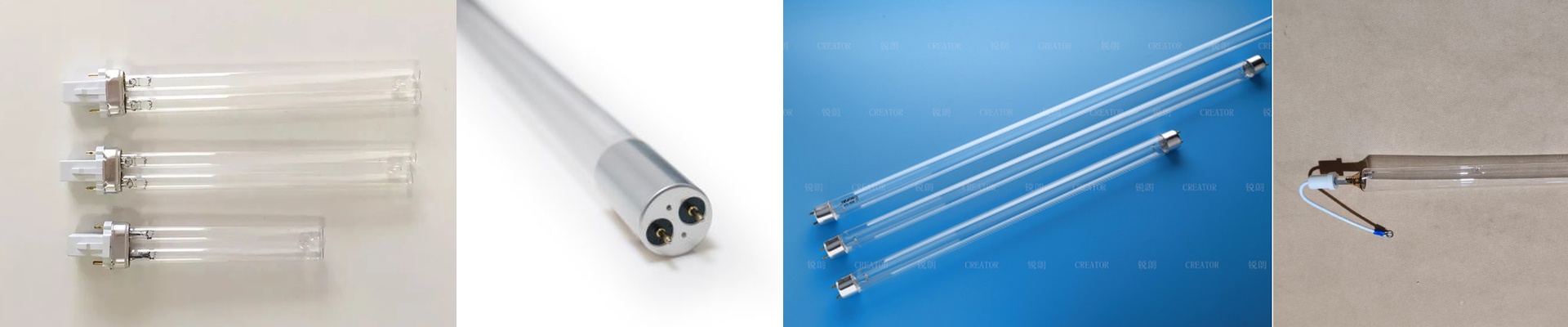
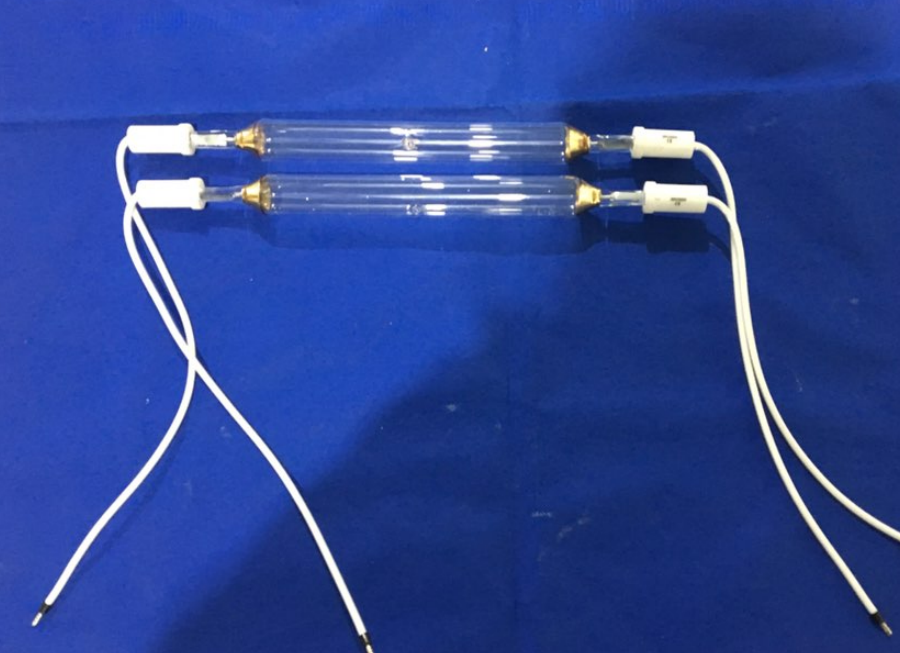
Why Most UV Lamp Designs Fail in the Real World
We spent some time visiting 3,000 different printing plants. Why? Because we wanted to see where UV systems actually break. Here is the thing: most OEM designs look great on a computer screen. They’re perfect in a CAD drawing. But the moment they hit a real shop floor, they start to drift or just burn out completely. If you’re running a modern production line, you can’t afford that.
The Fight Between Power and Heat
It really comes down to a balancing act between wattage, tube length, and cooling. If you’re running high-speed offset or flexographic presses, you need a lot of punch—high irradiance. We focus on getting as much UV output as possible per linear inch. But there’s a catch. You can’t just crank up the power without cooking your substrate. High-wattage lamps get incredibly hot. If your fans or water jackets aren’t up to the task, the tube overheats. Then the quartz degrades, or your ballast trips, and suddenly your whole line is dead. You simply can’t push more power through a tube unless you’ve figured out how to get the heat out.
Making it Fit (Without the Headache)
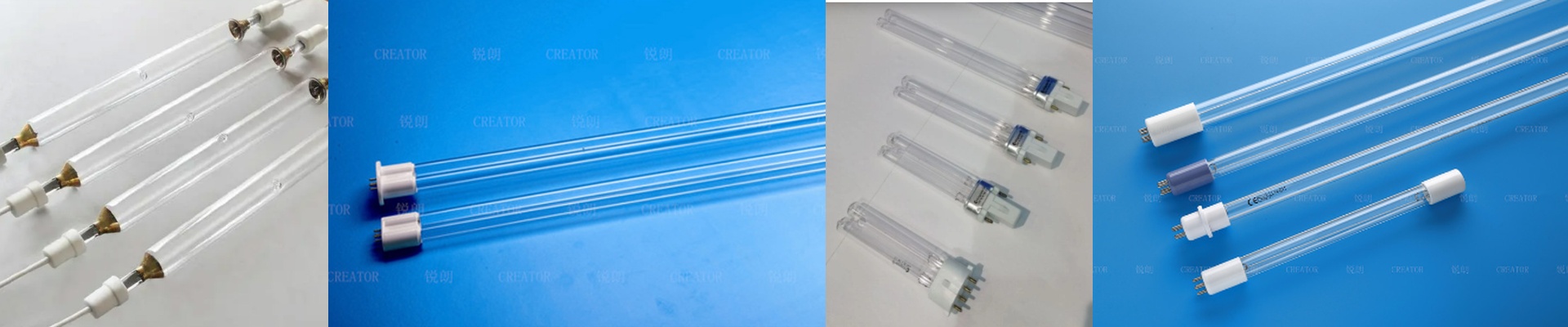
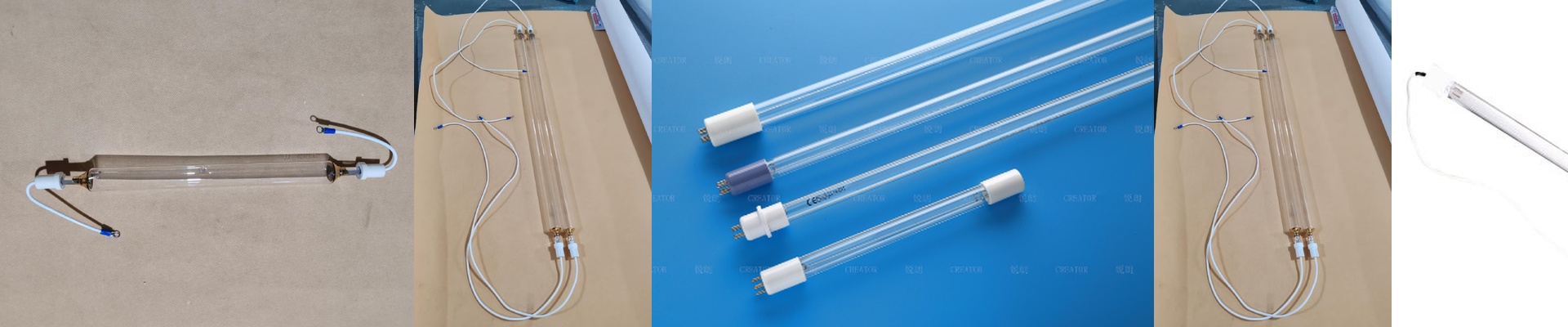
For the folks building the machines, space is everything. We build our lamp housings to be “drop-in” replacements. No one wants to spend a weekend re-machining a conveyor frame just to fit a new light. We use standardized wiring and brackets so it just works. We also use specific quartz that filters out the infrared stuff. That way, the energy hits the ink, not the paper. Plus, we kept the design modular. When a tube finally hits its end-of-life, you can swap it out in a few minutes. It keeps the downtime short and the stress levels low.
The Reality Check
Let’s be honest: no UV system is “set it and forget it.” These lamps wear out. After a few hundred hours, you’ll notice the output dropping. To keep your cure rates steady, you’ve got two choices: slow down your line speed or use a ballast that can automatically compensate for the aging lamp. And a word of caution—if you run your lamps at 100% all the time, you’re trading lifespan for speed. It’s a trade-off you have to manage.