Stop Treating Your UV Curing Like an Afterthought
Most shops just stick a UV station at the end of the line and call it a day. But if you’re really looking at your production flow, curing shouldn’t be a standalone “box.” It’s more like a dial you can turn to get the exact result you need.
Why Modular Actually Matters
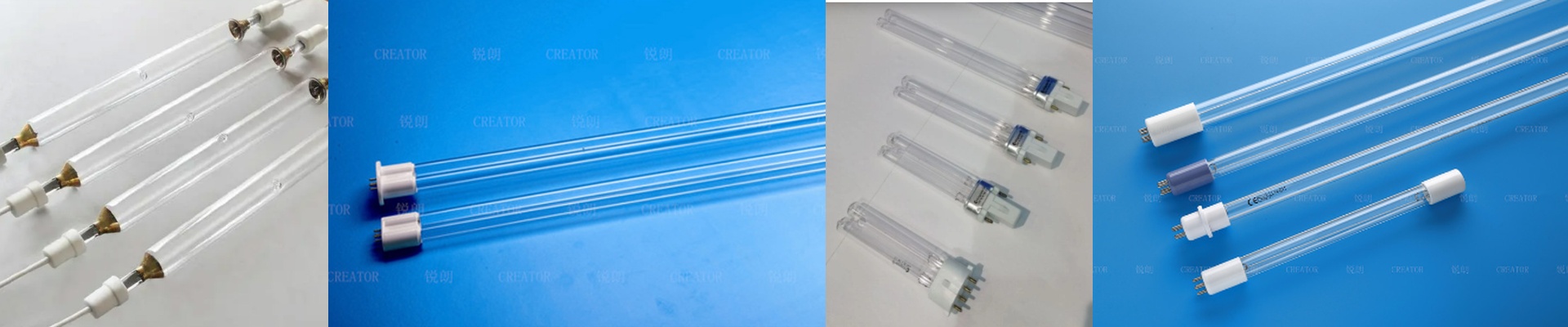
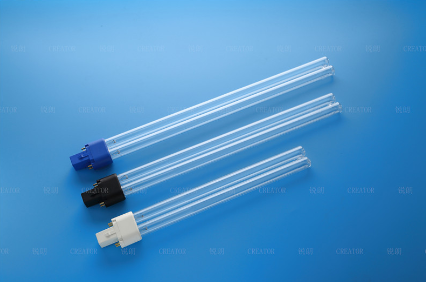
We build these systems in modules for a very simple reason: things change. You might start with a small run, but then you grow. Instead of ripping out your entire conveyor and starting over, you just add more power where you need it. Plus, it’s a lifesaver for maintenance. If a lamp burns out or a reflector gets grimey, you don’t have to shut down the whole plant. You just swap that one module and keep moving. It’s a lot less stressful.
The Battle With Heat
Here is the tricky part: high-intensity UV creates a ton of heat. If you crank up the wattage to speed up your line, your parts are going to get hot. Really hot. If you don’t have a plan for that, you’re looking at warped parts or resin that just doesn’t behave. That’s why we build in cooling gaps and chilled-air manifolds. It’s all about finding that sweet spot where you’re curing as fast as possible without melting your product.
Smart Tech That Actually Helps
We’re done with those old “set it and forget it” analog ballasts. They’re basically guessing games. Our current systems use digital controllers that talk directly to your PLC. It’s pretty slick—if your belt slows down, the lamps dim automatically. You aren’t over-curing your parts, and your tubes last much longer because they aren’t running at 100% for no reason. No more guessing if the part is dry. You just look at the data and know.