Why Most UV Lamps Waste Your Power (And How We Fixed It)
Most UV lamps on the market talk a big game about “efficiency,” but they’re usually ignoring the most important part: where the energy actually goes. We spent our R&D time obsessing over spectral concentration. Specifically, we managed to squeeze the peak output into a tiny 0.5% window. Now, that sounds like a boring stat, but here is why it actually matters. It’s all about hitting that 253.7nm sweet spot—the exact wavelength that shreds germ DNA.
The logic behind the squeeze
Think of it this way. When your energy is spread out across a wide spectrum, you’re wasting power on wavelengths that don’t actually kill anything. It’s like trying to light a fire with a flashlight instead of a magnifying glass. We messed around with the gas mixtures and the shape of the electrodes until we got the output tight. By packing the energy into that 0.5% window, more photons actually hit the target. The best part? You can turn down the total wattage and still get the same kill rate. Your power bill goes down, but the germs still die.
The trade-off: Heat and Glass
There is a catch, though. When you concentrate energy like this, things get hot. Really hot. That intense heat puts a lot of stress on the quartz envelope. To stop the glass from “solarizing”—which is just a fancy way of saying it turns cloudy and useless over time—we switched to high-purity synthetic quartz. But you’ve got to be smart about your cooling. Because we’ve pushed the energy density so high, these lamps heat up way faster than the cheap stuff. If your housing is cramped or your vents are clogged, the lamp will overheat and your UV output will tank. Keep them breathing.
Putting them to work
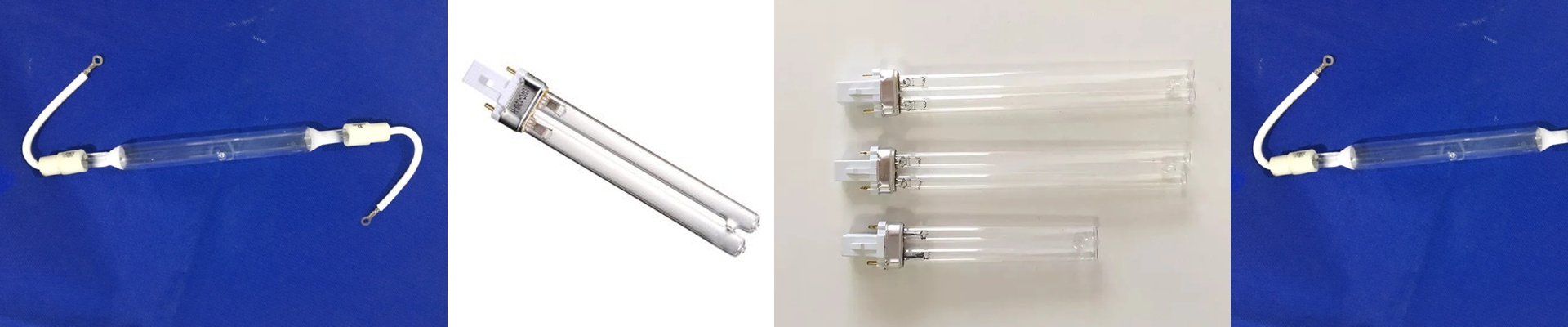
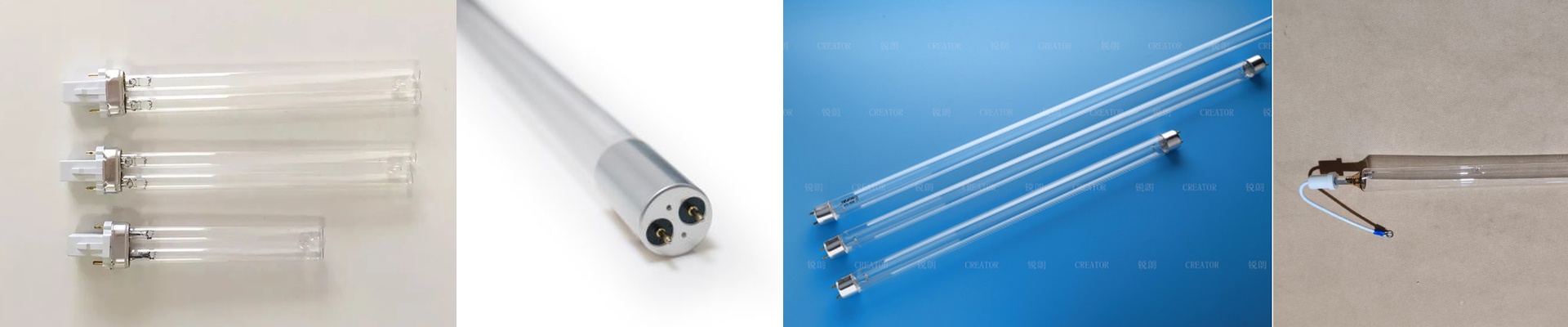
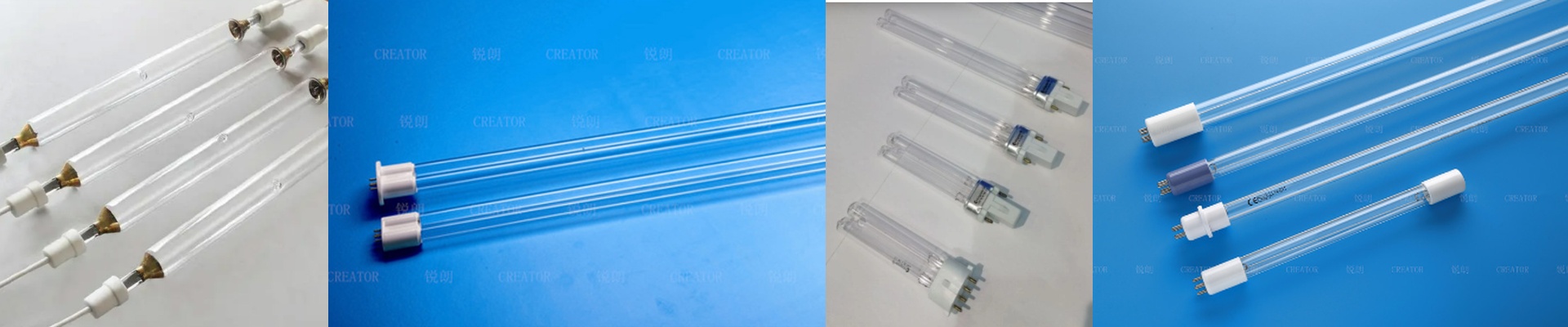
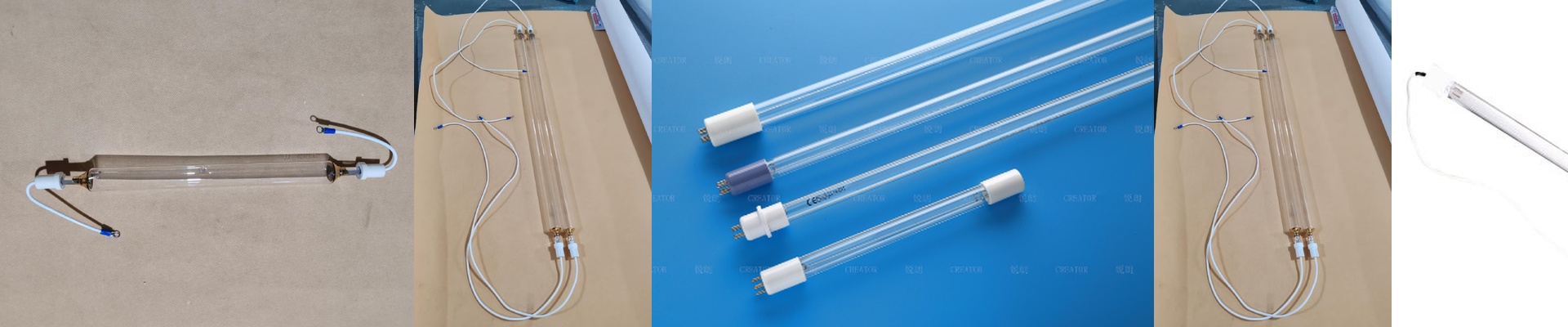
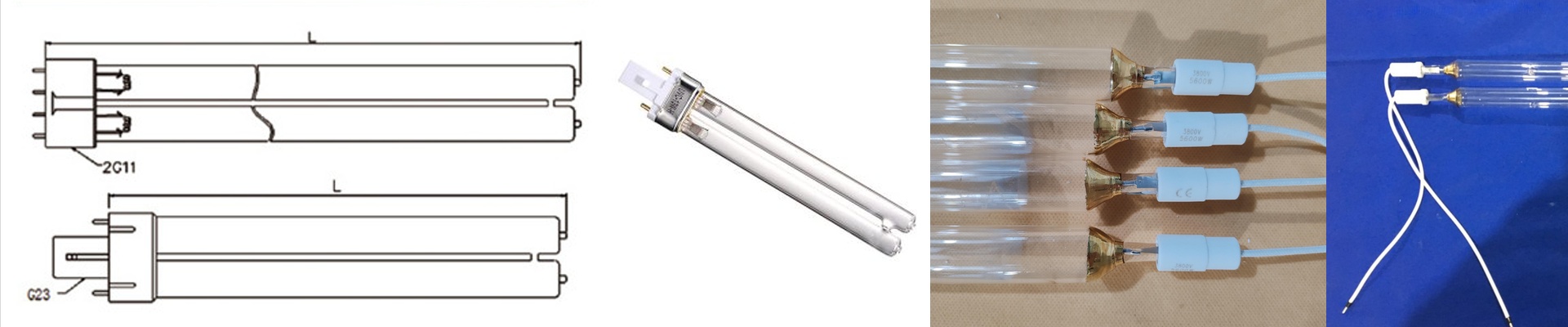
We built these to be simple. They’re drop-in replacements for your existing sterilization tunnels. Just wire them into your current ballast and you’re good to go. The first thing you’ll notice is that your cycle times drop. We stopped trying to make a “general purpose” lamp and decided to chase precision instead. It’s the difference between a floodlight and a laser. You just get more punch exactly where you need it.