Getting UV Curing Right for Your Textiles
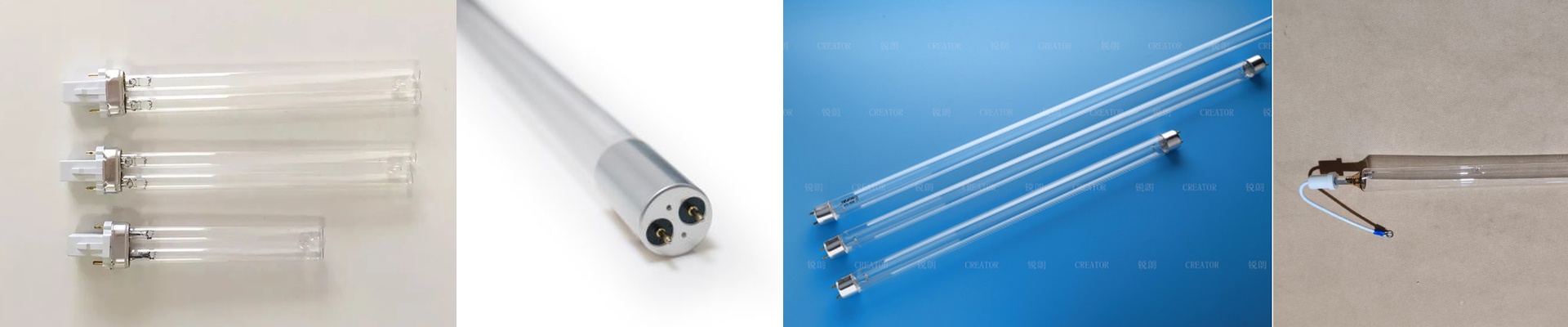
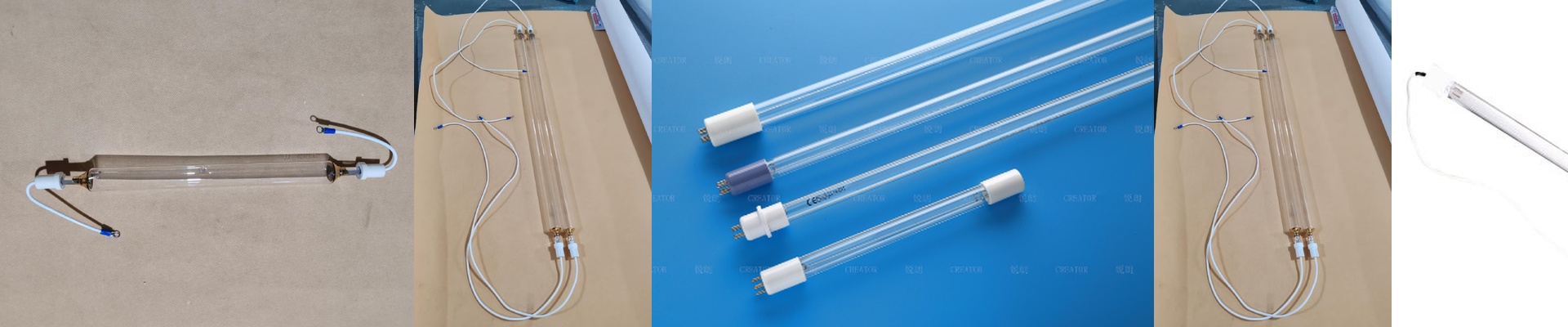
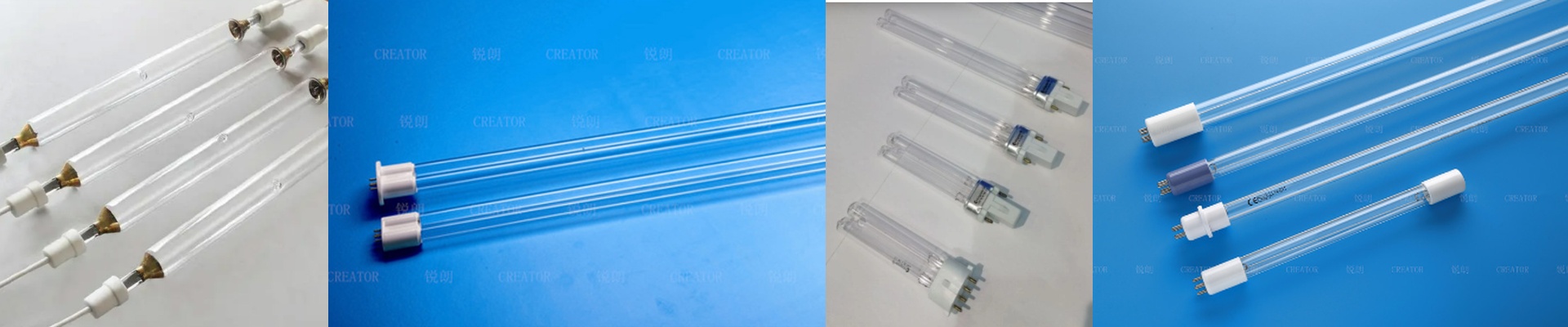
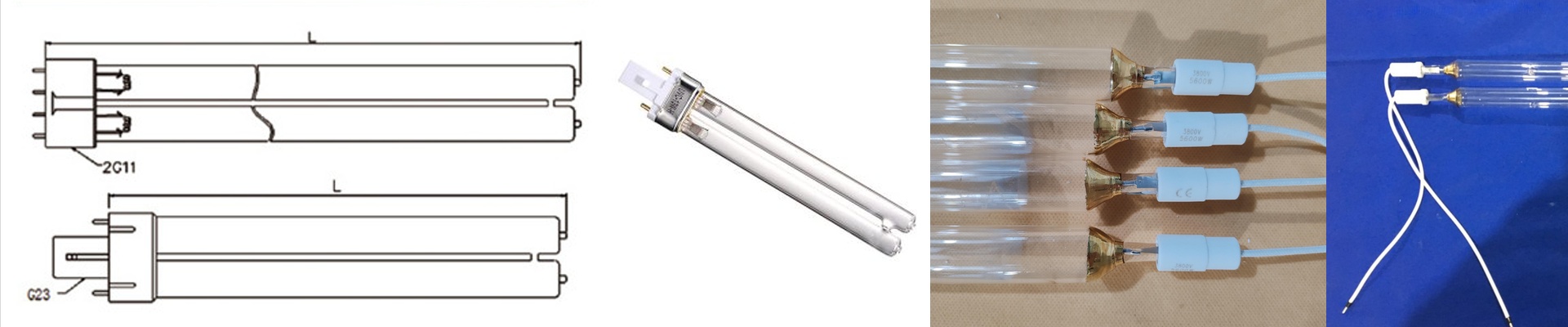
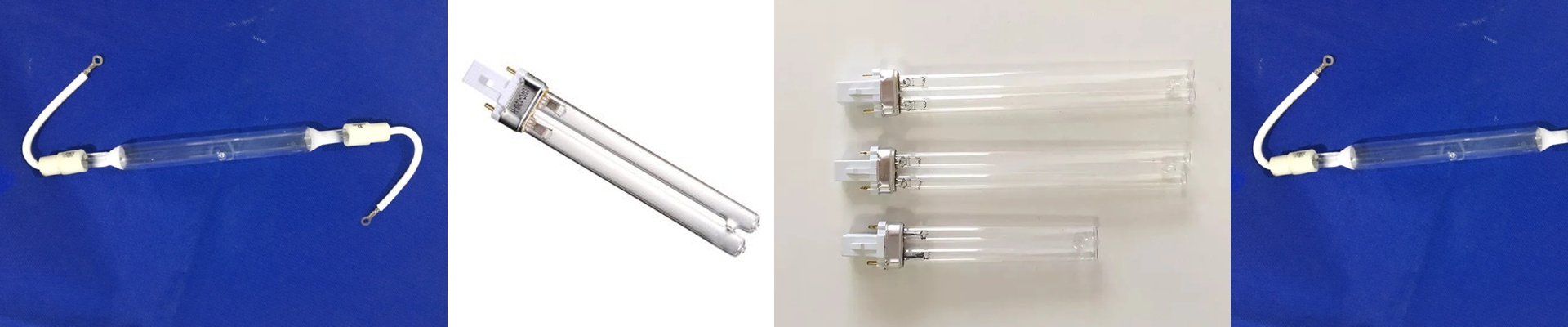
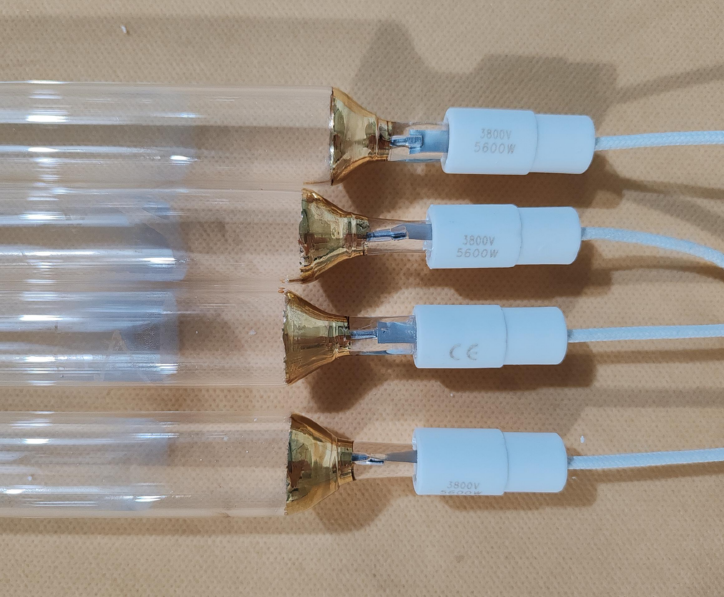
When it comes to textile printing, UV curing isn’t just about shining a light on some ink. It’s about triggering a chemical reaction that actually locks those resins into the fibers. If you don’t get it right, the ink doesn’t stick. We build our UV lamp arrays specifically to handle the tricky balance of fabric tension and heat. The balancing act: Power vs. Heat Here’s the thing: every ink has its own specific photo-initiator. That means we have to tune the lamps to the exact wavelength your ink needs—usually somewhere in the UV-A or UV-C range. You want the ink to cure all the way through, but you don’t want to scorch the fabric. It’s a tightrope walk. If you crank up the wattage just to speed up your production line, you’re going to shrink your material. We spend our time dialing in the power density so you get a rock-solid cure without ruining the cloth. The gear that makes it work We use high-purity quartz glass. Why? Because standard glass just blocks the UV wavelengths, which makes it pretty much useless for curing. Plus, we know every shop has a different setup. We offer different lengths and connectors so our gear just fits right into your existing machine. We also add reflectors to bounce that “wasted” energy back down onto the fabric. It’s a simple trick, but it lowers your power bill and keeps your cooling fans from working overtime. The reality of the heat Let’s be honest: high-intensity lamps get hot. Really hot. If you try to run them at full blast without a solid cooling system, you’re asking for trouble. Your lamps will burn out way too fast, and the heat will bleed into the fabric, causing it to warp. The secret is syncing your conveyor speed with the lamp’s output. When those two are in harmony, you get a consistent cure across the whole piece. No “under-cured” edges, and no melted centers. Just a clean, professional finish.