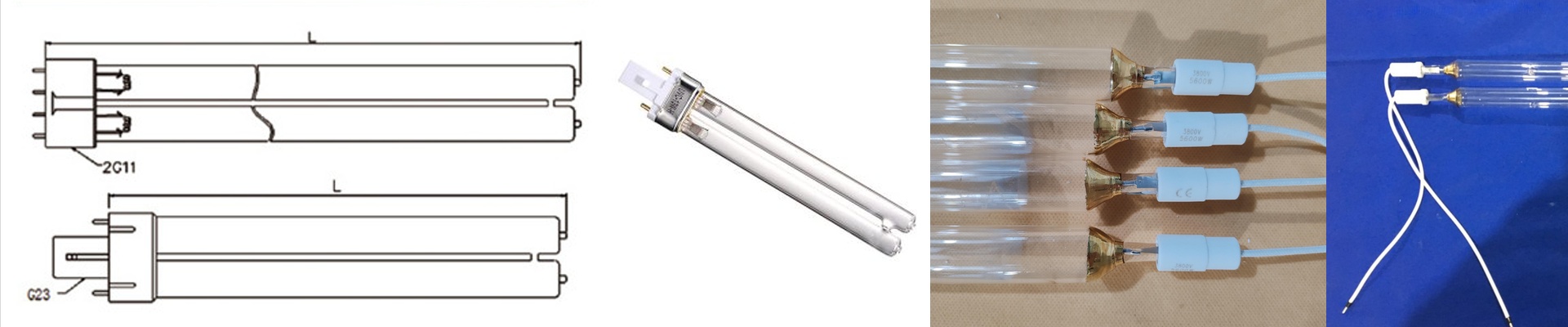
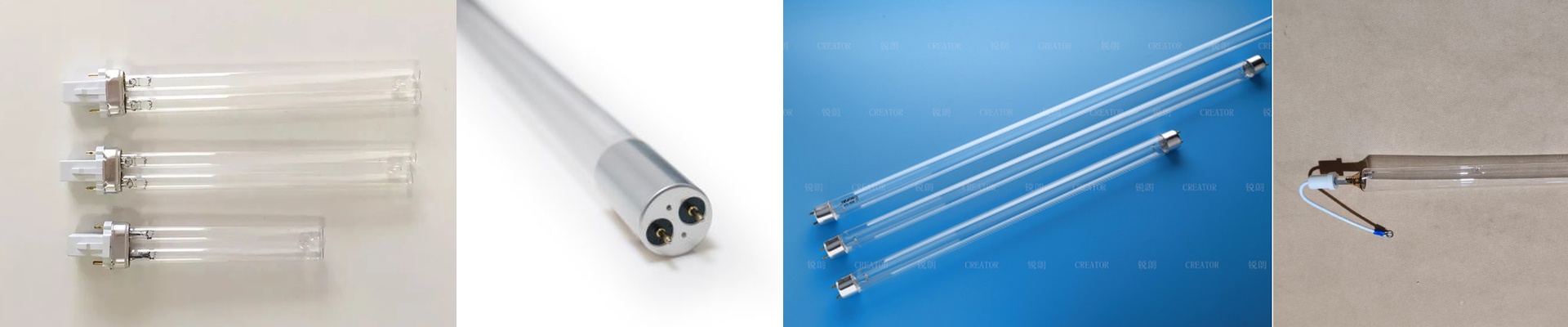
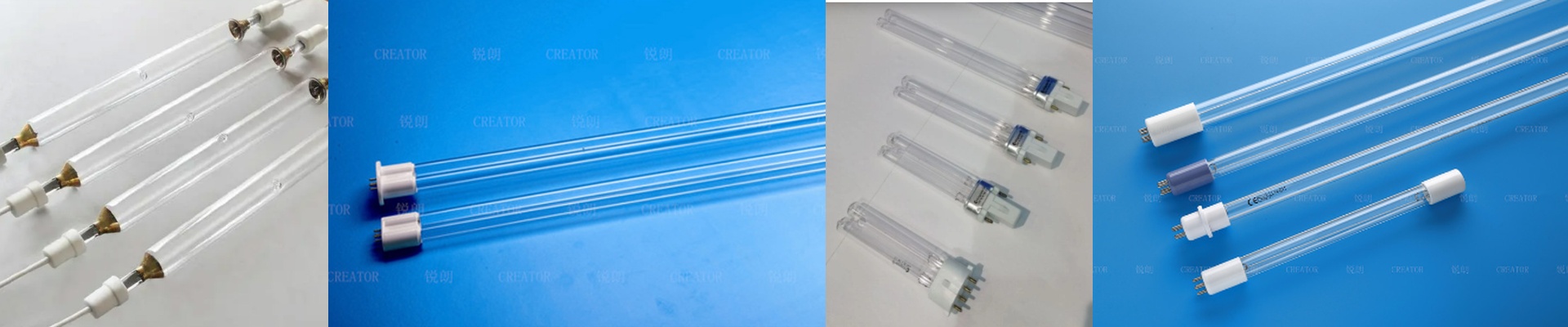
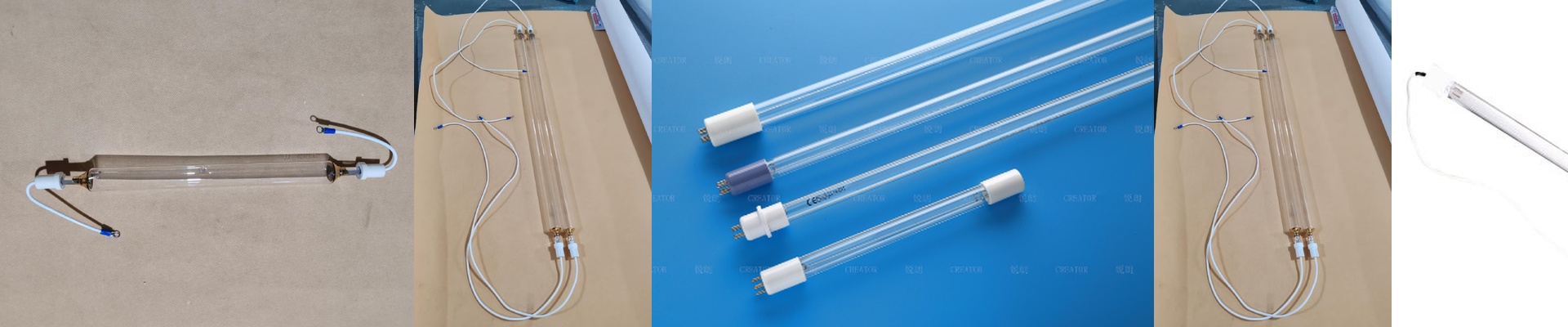
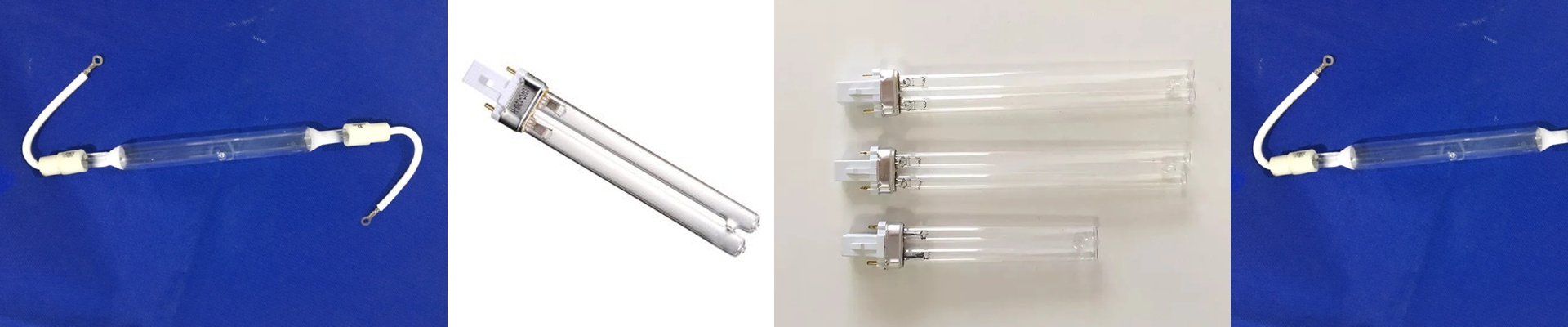
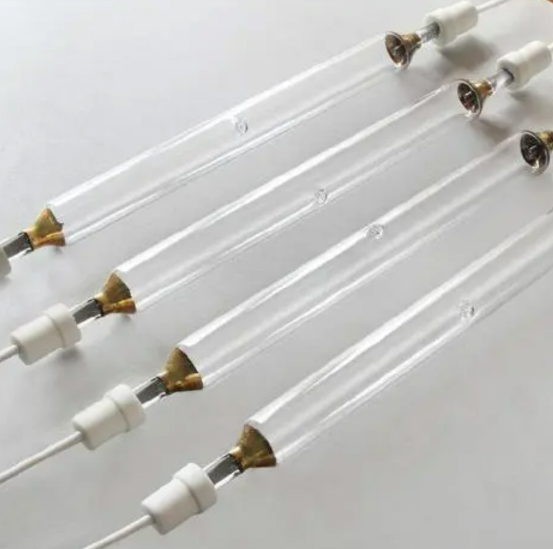
Getting the Most Out of Our 80W/cm Mercury UV Lamps
We built our 80W/cm lamps with a pretty simple goal: give you the punch you need for high-speed curing without wrecking the planet in the process. If you’re running a fast line, you know the drill. You need that polymerization to happen in a heartbeat, but you can’t be scorching your materials. It’s a delicate balance. The reality of that power density When you’re hitting a surface with 80W/cm, you’re essentially hammering it with UVC and UVB photons to snap those chemical bonds in the photoinitiator. To make sure that happens evenly from one end of the tube to the other, we spent a lot of time tweaking the mercury vapor pressure and the shape of the electrodes. But here’s the thing: this much power creates a lot of heat. Like, a lot. If your cooling blowers aren’t up to the task, you’re going to have problems. The quartz can actually soften, and your lamp life will tank. Double-check your fans before you flip the switch. Better materials, less waste We’re done with the old-school materials that leak toxins when they’re tossed. Instead, we’ve switched to high-purity fused quartz and cleaned up our mercury alloys. We also took a hard look at the electrodes. You know that annoying “burn out” that always seems to happen at the ends of the tube? We fixed that by optimizing how the electrons emit. It means you aren’t swapping out lamps nearly as often. And fewer lamps in the trash is a win for everyone. Making it work in your shop The good news is that these are drop-in replacements. They fit right into most standard UV conveyors, so you can just wire them up to your existing ballasts and get moving. No need to rebuild your whole setup. Just a heads-up on the power side: while these lamps last longer, they still pull a decent amount of juice. You’ll get a rock-steady UV output for over 2,000 hours, but make sure your electrical setup can handle the steady current. You don’t want voltage drops causing your arc to flicker right in the middle of a run.