Getting Your UV Curing Right with Mercury Bulbs
Let’s be honest: mercury UV bulbs are the real workhorses of the print shop. They do the heavy lifting, turning liquid ink into a solid film in a matter of seconds. If you’re running a small or medium shop, you probably just want a bulb that hits the right spectral output without paying a “brand name tax” just for the logo on the box.
How it actually works
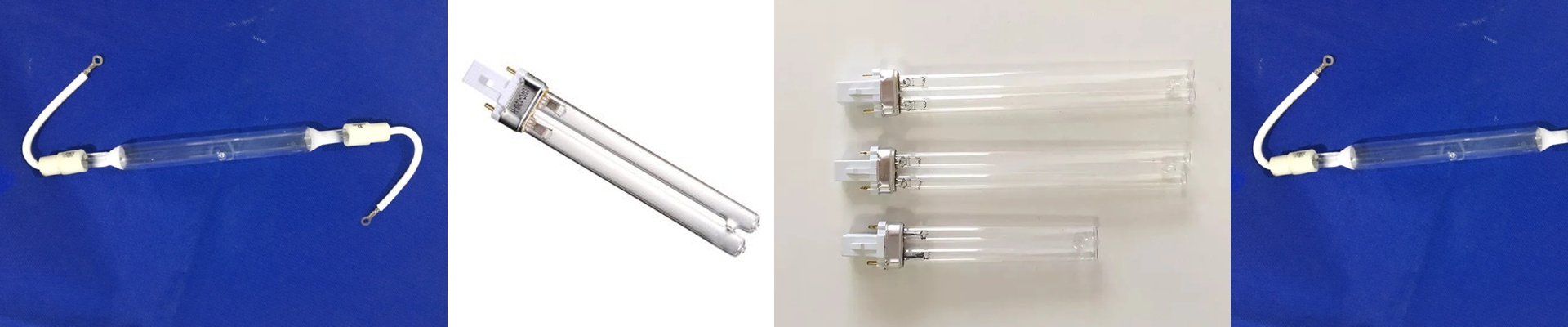
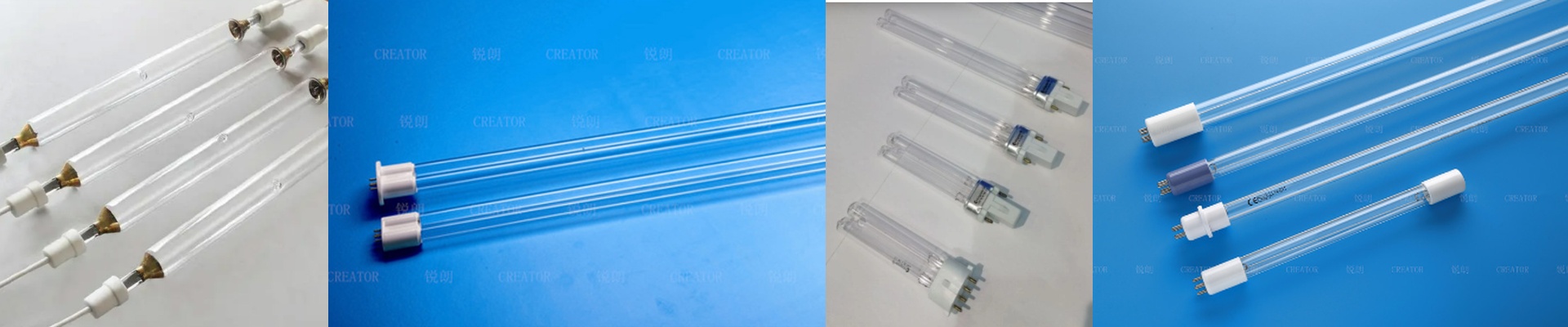
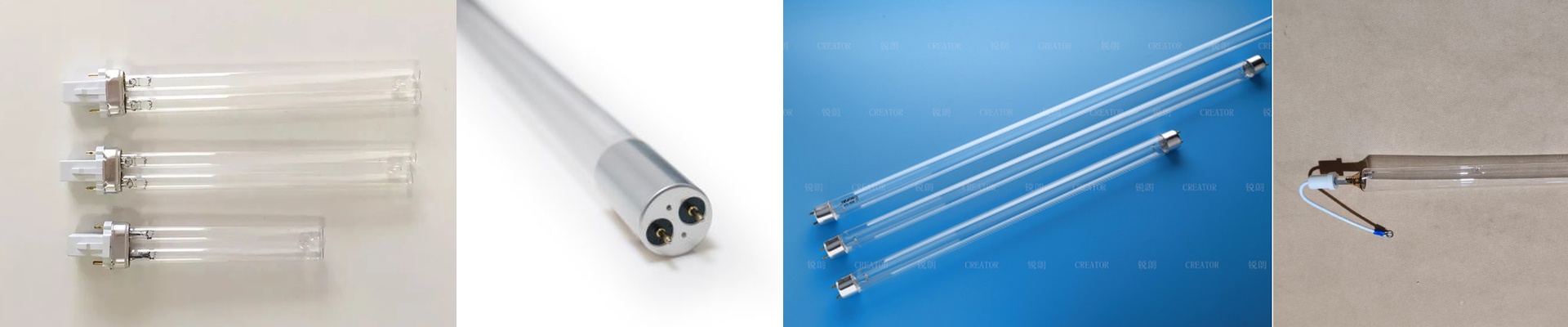
Inside these bulbs, an electrical discharge hits vaporized mercury. That creates a concentrated peak at 254nm—which is basically the “magic number” for triggering the photoinitiators in your inks. But here is the catch: the glass matters. We use high-purity quartz because if the glass isn’t exactly right, it absorbs the UV radiation instead of letting it through. That makes the bulb run way too hot, and before you know it, you’re replacing a burnt-out lamp way sooner than you should.
The tug-of-war between speed and heat
More wattage usually means faster curing. It’s simple. You pump in more photons, and you can crank up the speed of your conveyor belt. But there’s a trade-off. Pushing all that power into a small space creates a massive amount of heat. This is where things go wrong if you aren’t careful. You’ve got to keep your cooling fans and reflectors spotless. If your airflow gets choked, the bulb overheats, the electrodes degrade, and your lifespan plummets. It’s a fragile balance.
Making it fit your line
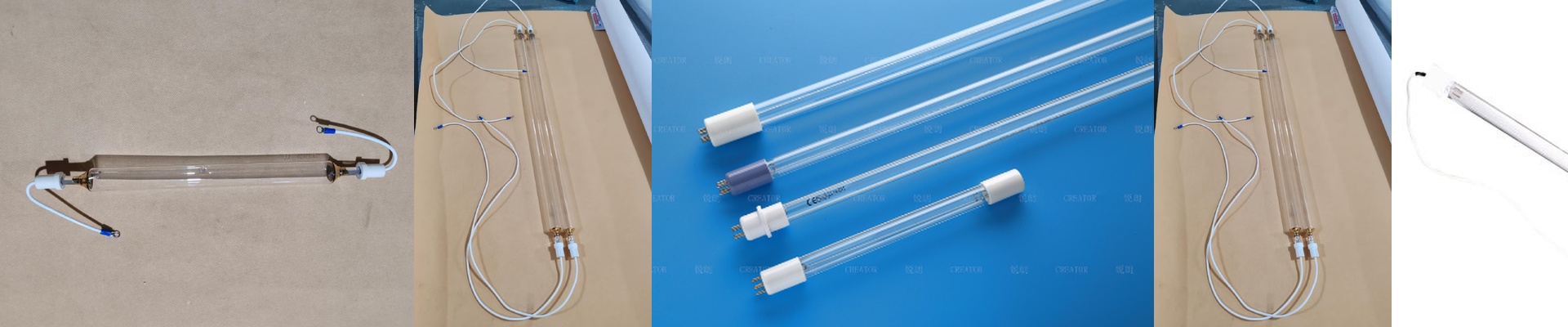
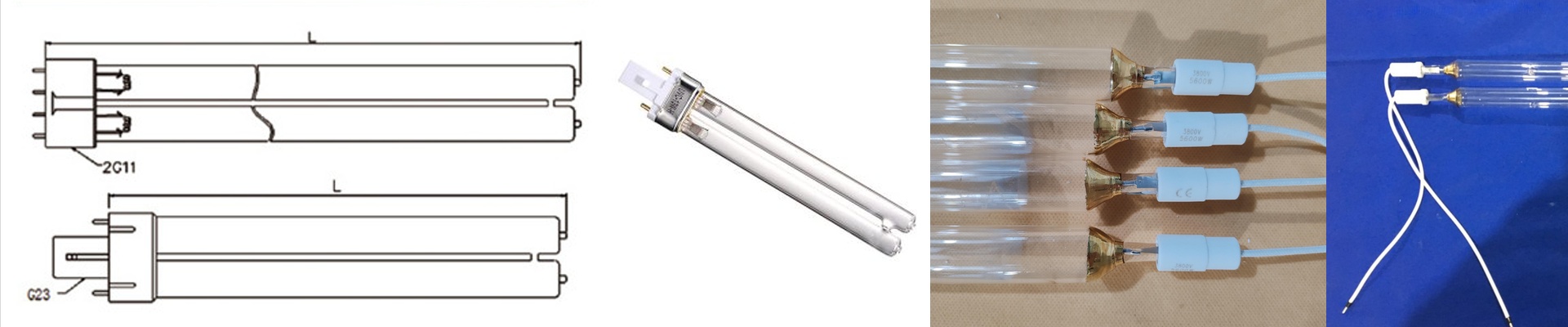
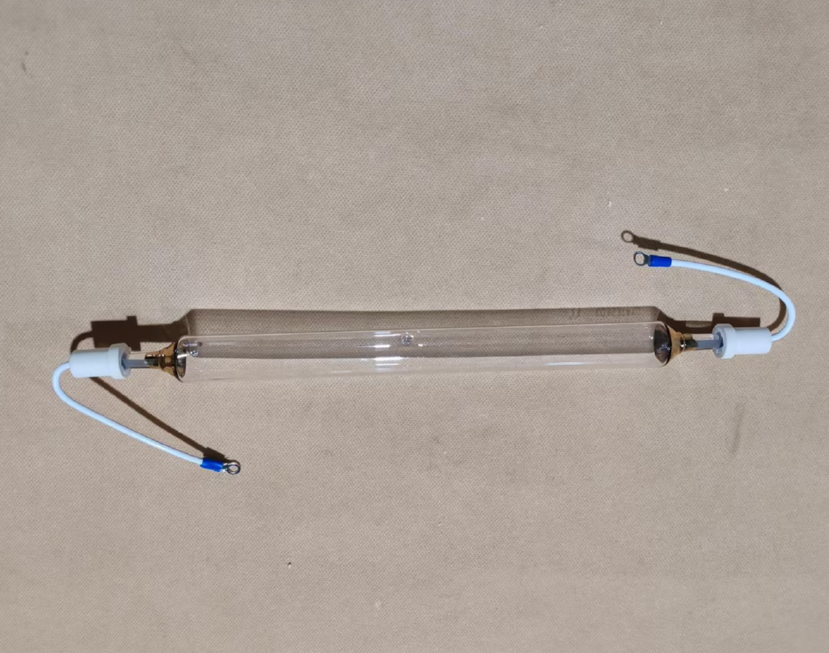
We make these as drop-in replacements because nobody has time to rebuild their entire press. Whether you’re using a flatbed or a rotary, the fit has to be spot on. If it’s loose or the connector is off, you get “dark spots” in your cure—or worse, electrical arcing. We keep our tolerances tight so you can just wire it up and get back to work without messing with your ballast. And if your machinery is a bit unconventional? We can do custom lengths and power ratings. We’ve streamlined how we make the quartz envelopes to keep costs down, so you get professional-grade curing without needing a corporate budget.