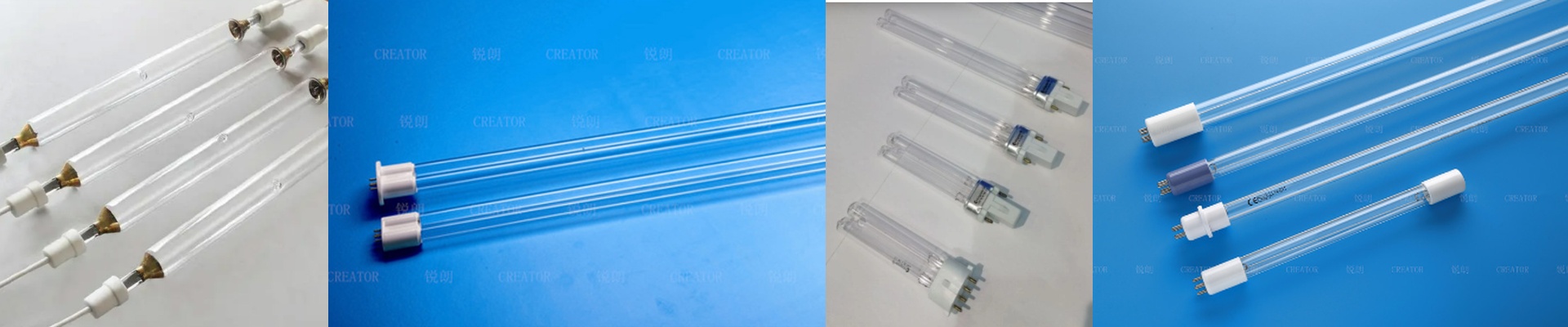
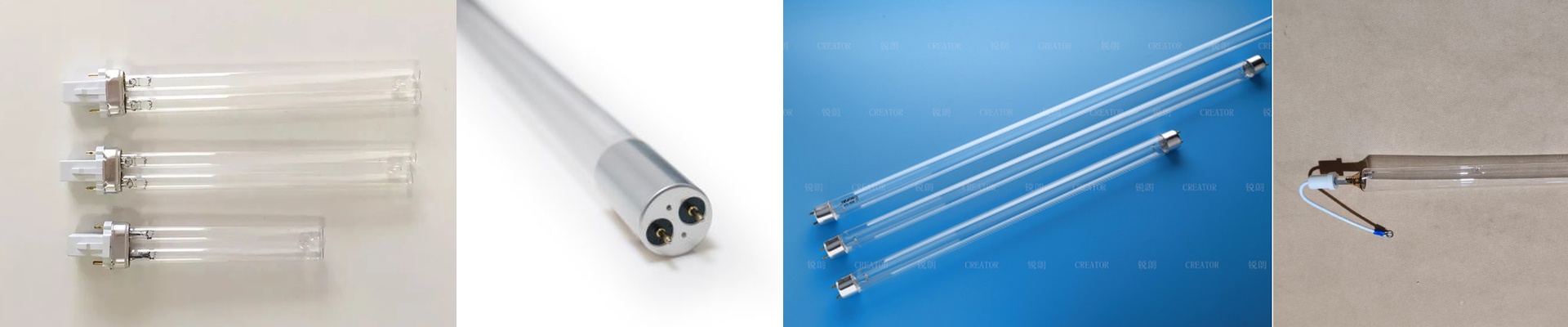
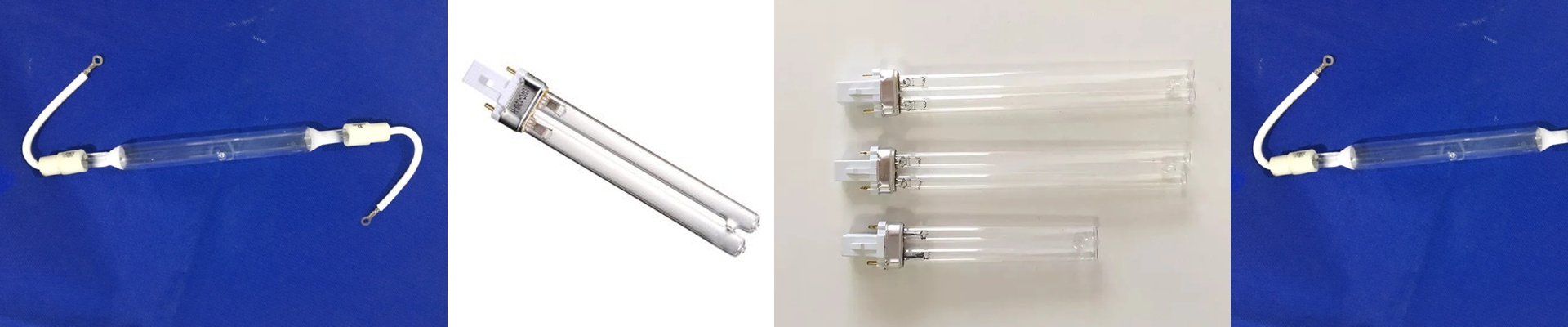
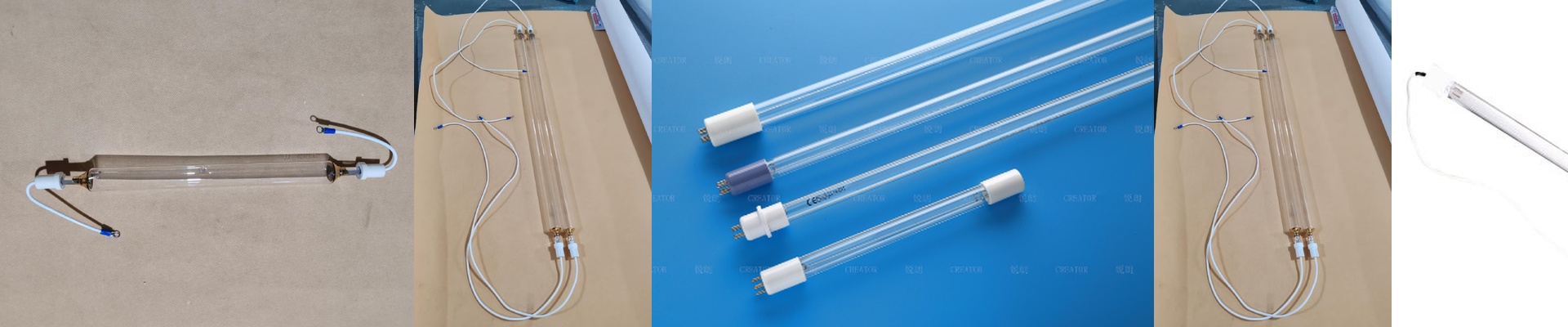
Getting Your Industrial UV Lines Right
When you’re buying germicidal bulbs in bulk for a massive production line, you’re doing a lot more than just ordering some glass tubes. You’re actually managing a delicate balance of light energy and heat across a huge space. It’s a bit of a juggling act.
The science part (kept simple)
We focus on that 253.7nm wavelength. Why? Because if that number drifts even a little bit, the bulbs stop killing germs effectively. To make sure that doesn’t happen, we use high-purity quartz. Regular glass is basically a wall to UVC light—it blocks everything. Quartz lets it fly through. We also spend a lot of time calibrating the wattage. We want the light to be steady from one end of the bulb to the other. No “cold spots.” Because if you have a dead zone, that’s exactly where the bacteria will hang out and survive.
The heat headache
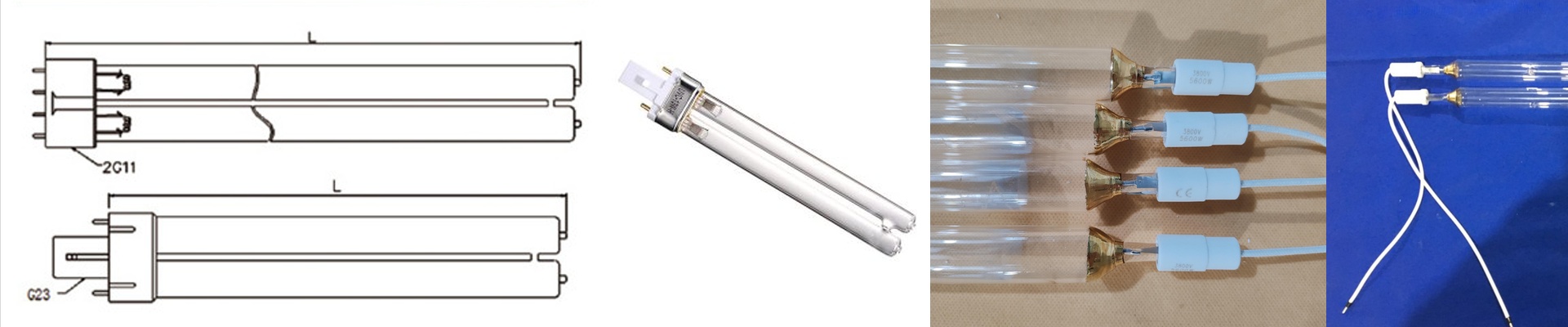
We don’t just toss bulbs in a box and ship them. We build the whole module. That means the ballast and the housing are a perfect match for the lamp’s electrical needs. We even use reinforced sockets so you don’t have to deal with annoying electrical arcing at the end-caps after a few months of hard use. But here’s the thing: high-intensity UVC getshot. If you cram these modules too close together in a conveyor system, the temperature spikes. It’s a tricky trade-off. Sure, higher wattage means you can sterilize things faster, but if the bulbs overheat, the emission peak shifts and you actually lose efficiency. You’ve got to get your airflow and cooling fans right to keep that quartz surface in the sweet spot.
Making it work on the floor
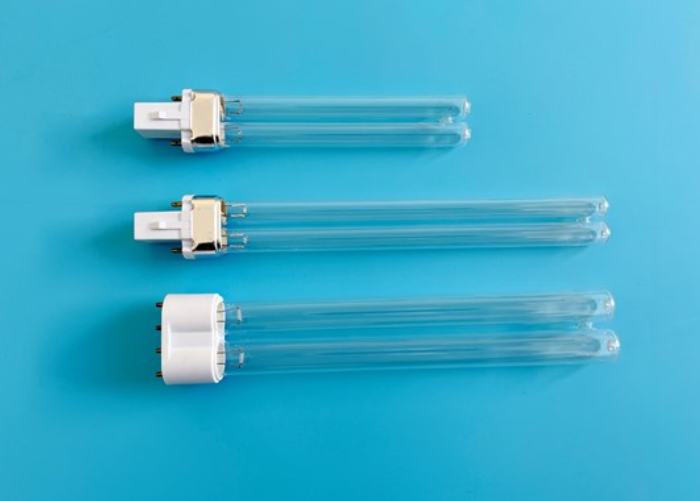
These modules are built to be drop-in replacements for your existing sterilization tunnels. We know you don’t want to spend all day wiring things, so we made the setup as painless as possible. By keeping the footprint standard, swapping out a burnt-out lamp becomes a quick task rather than a project. Plus, we ship these in bulk batches. That way, every single lamp on your line comes from the same production run, meaning the UV output stays uniform from the start of the belt to the end.