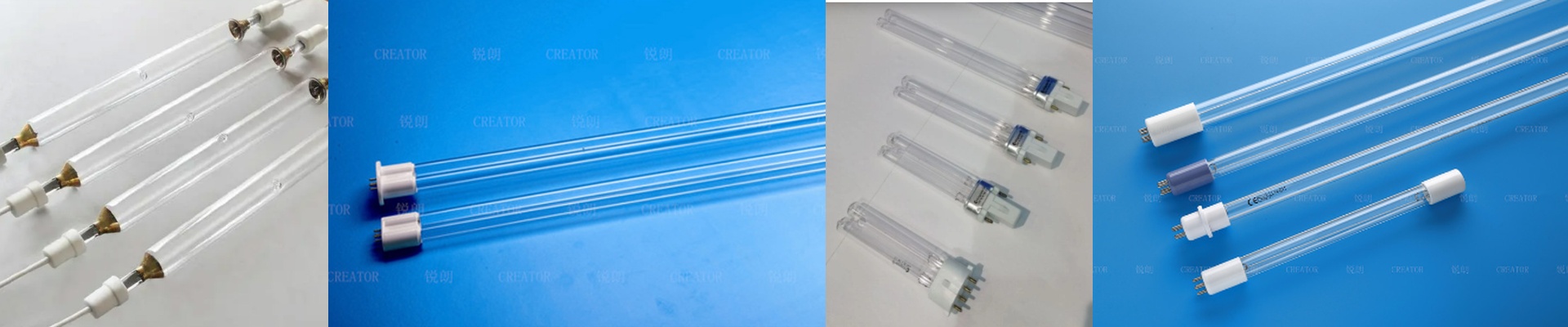
Getting the Most Out of Your 120W/cm Mercury UV Lamp
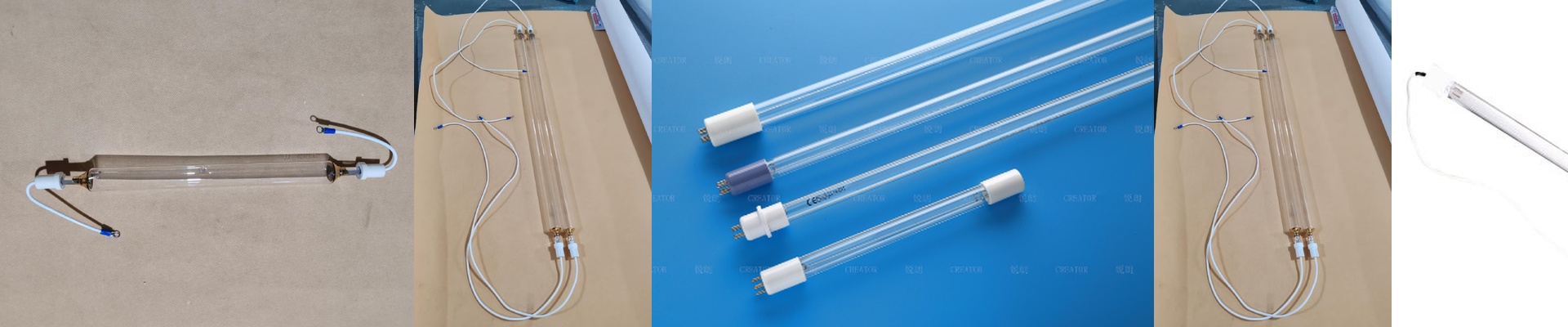
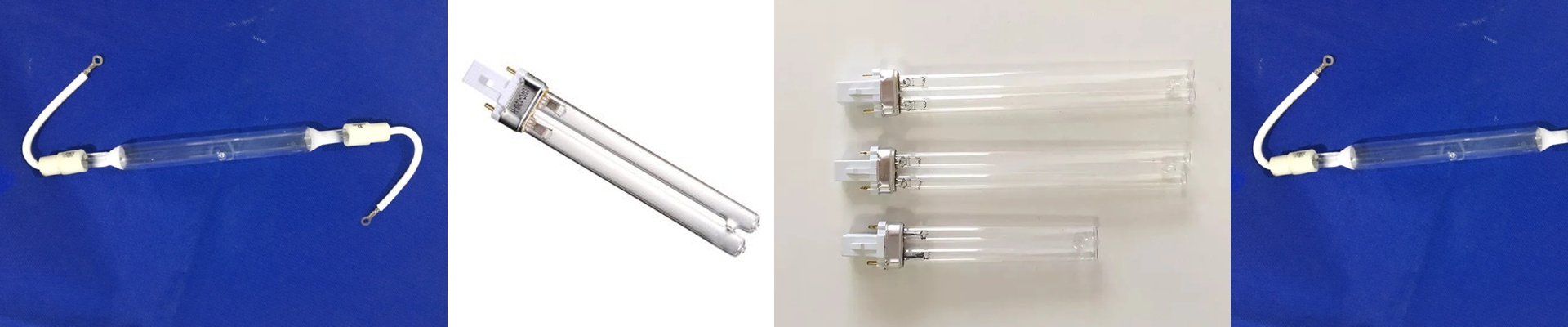
When we set our standard mercury UV lamps at 120W/cm, we’re doing it with the small to mid-sized print shop in mind. It’s all about finding that sweet spot. You want the ink to cure completely, but you don’t want to bake your substrate into a crisp. Let’s talk about the power. Think of that 120W/cm as your linear punch. If you’ve got a 50cm lamp, you’re pulling 6,000W. That’s a lot of energy, but you need it to wake up the photoinitiators in your ink. If you go too low? You get that annoying “tacky” feel on the surface and the ink just won’t stick. But if you crank it too high, you’re asking for trouble—scorched materials, shrinking ink, or peeling. It’s a balancing act. What’s happening inside the lamp? We use high-purity mercury vapor to get a wide range of light. You’ve got two main peaks: 254nm and 365nm. The short waves do the heavy lifting on the surface to make it hard. The longer waves dive deeper to make sure the ink actually bonds to the material. It’s a two-pronged attack. One quick tip: make sure your ballast is stable. If your voltage is jumping around, the lamp will flicker or just burn out way sooner than it should. Putting it to work on your floor We designed these to be drop-in replacements. They fit into most standard curing tunnels, so you can just swap them out without having to rip out and rebuild your reflectors. Easy. But here is the catch: 120W/cm puts out a ton of infrared heat along with the UV. If your conveyor is crawling, that heat will warp thin plastics. You’ll need to make sure your cooling fans or water jackets are actually doing their job to pull that heat away from the web. We wanted to make this tech accessible. You get the same raw curing power as the massive, expensive systems, but without being locked into some proprietary nightmare.