

Getting Bulk UV-C Lamp Arrays Right
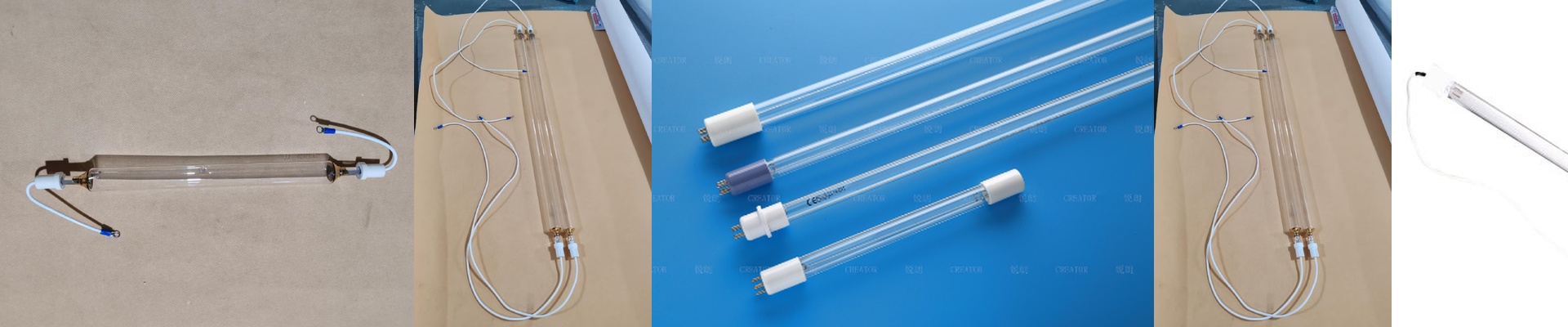
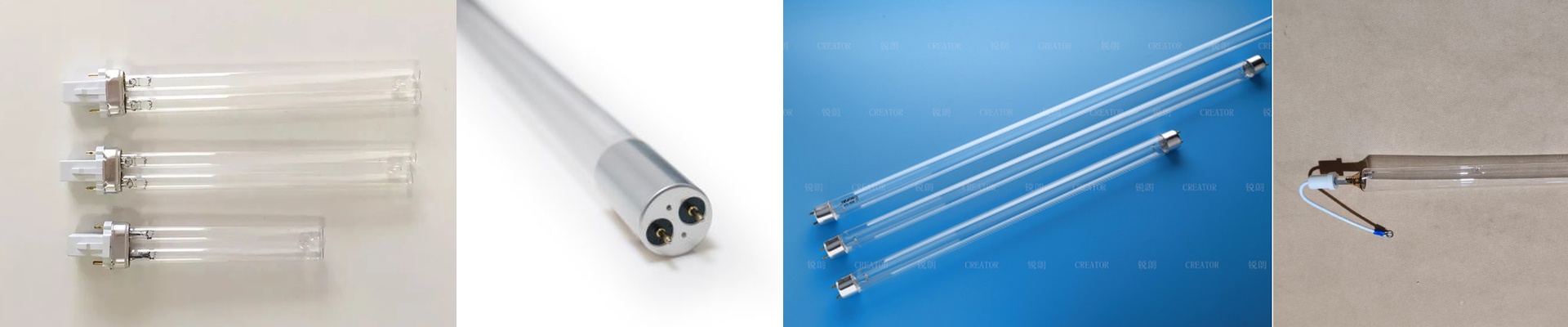
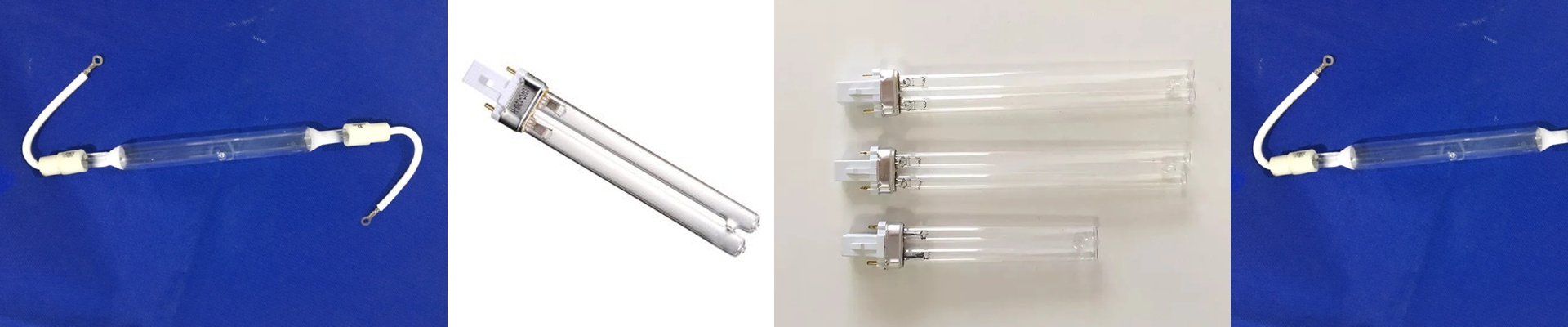
Here is the deal with germicidal UV bulbs: they work by hitting microorganisms with a very specific kind of shortwave radiation (usually peaking at 253.7 nm). This basically breaks the DNA and RNA of the bugs so they can’t multiply. When you’re setting these up in bulk, you have to stop thinking about “buying lights” and start thinking about how you’re spreading photons across a surface. It’s all about the coverage.
The Nitty-Gritty on Power
When we deploy these at scale, we’re obsessing over microwatts per square centimeter ($\mu\text{W}/\text{cm}^2$). Most of these industrial tubes rely on low-pressure mercury vapor. The trick is keeping that arc voltage stable. If you don’t, the bulbs burn out way too fast. And please, double-check your ballasts. If the ballast output doesn’t match what the lamp needs to start, you’re going to get flickering. That’s not just annoying—it actually drops your sterilization dose, which defeats the whole purpose.
Watch Your Fingers (Seriously)
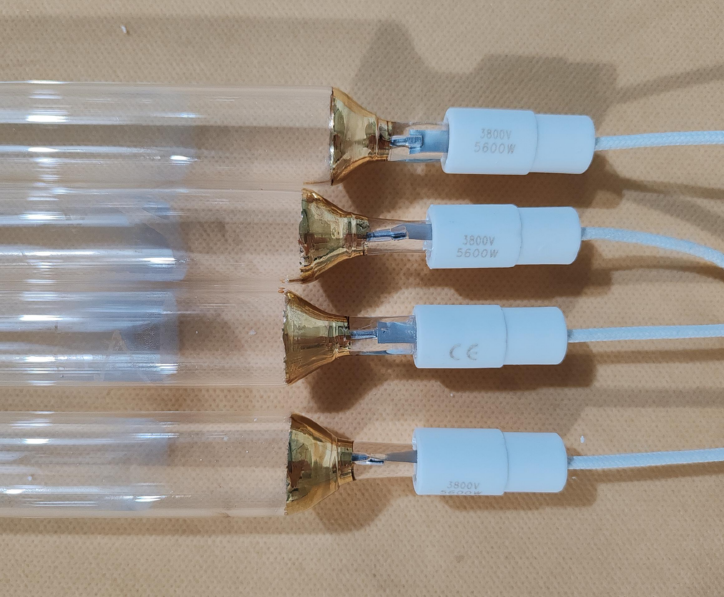
We use fused quartz for the envelopes because regular glass just blocks UVC rays. This specific quartz is graded to let that 254 nm line pass through without any trouble. But here’s the catch: quartz is finicky. It hates oils. If you touch the glass with your bare hands, that fingerprint creates a “cold spot.” Under thermal stress, that spot can actually crack the glass. Or, at the very least, it blocks the UV light from getting out.Handle them with care.
The Heat Struggle
More bulbs means more heat. Now, these aren’t as hot as infrared heaters, but if you’ve got a bank of 100 bulbs, the room is going to warm up fast. You’ve got to get your ventilation right to keep the tubes in their happy place. If the air gets too hot, the UV output just tanks. It’s a constant balancing act. You want higher wattage for faster kill rates, but that means you have to work twice as hard on the cooling to keep the lamps efficient.