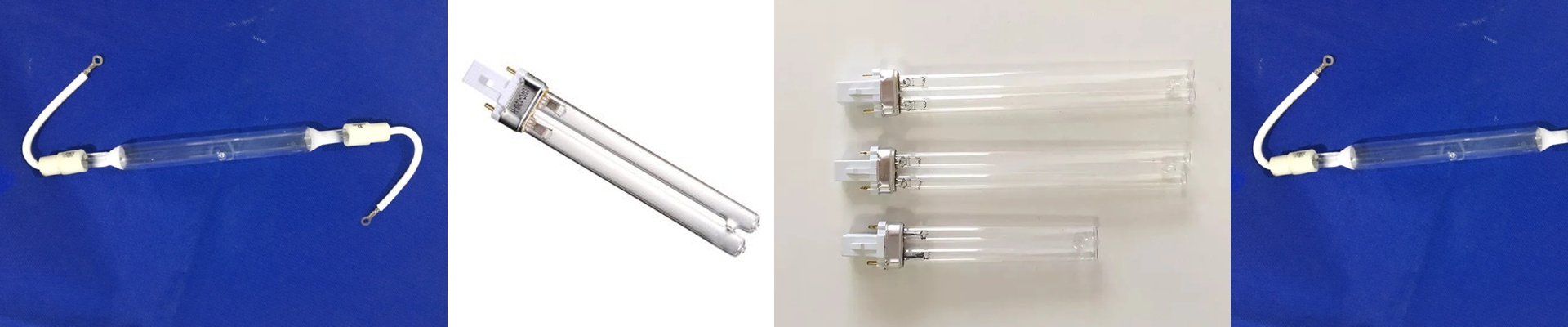

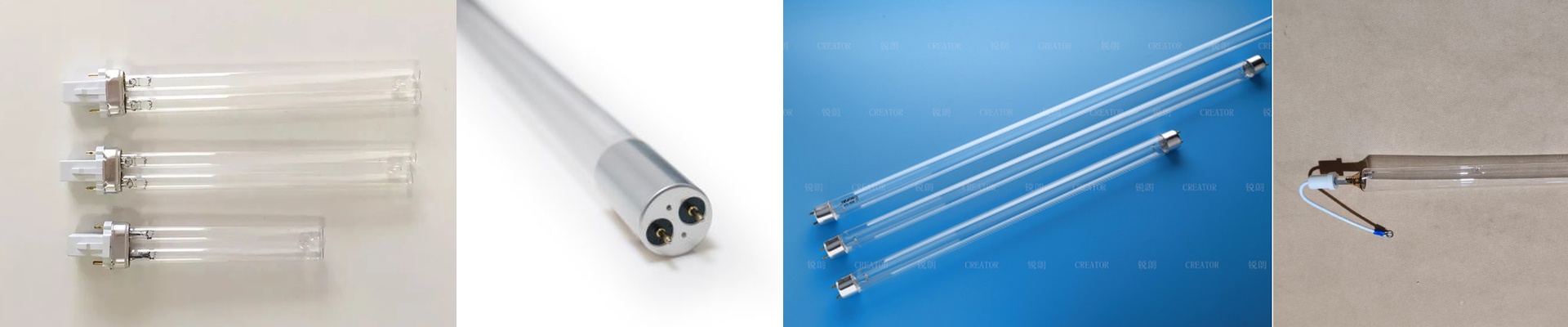
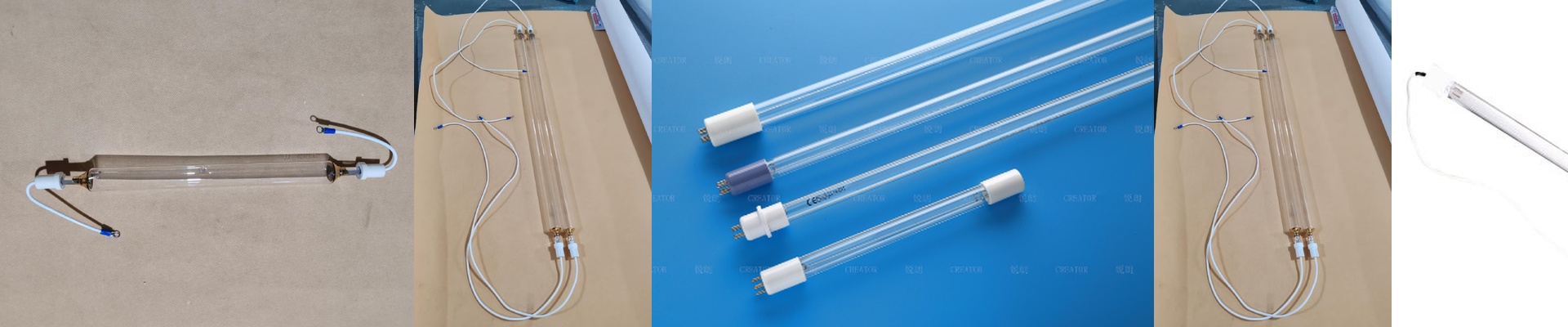

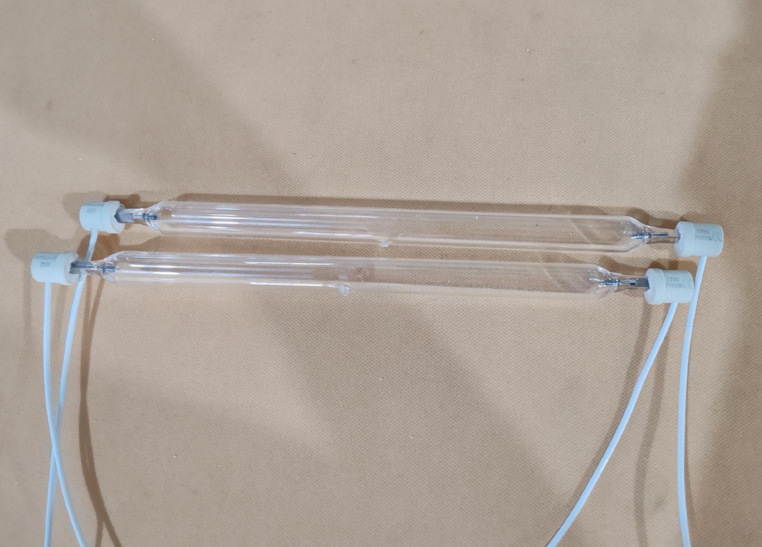
Getting Your Textile Prints to Set Fast (And Right)
If you’re running a high-speed textile line, you know the struggle. You can’t have ink bleeding or smudging the second it hits the fabric. That’s where our mercury UV lamps come in. We build these bulbs to do one thing: trigger that instant bond. They hit the ink with the exact kind of short-wave UV radiation needed to lock everything in place immediately. No waiting. No mess. The science bit (made simple) Here is how it actually works. We create an electric arc through pressurized mercury gas, which gives you a concentrated punch of energy at 254nm and 365nm. Why does that matter? Because that specific light is what actually penetrates the ink and hardens the resin. We’ve designed these tubes to handle high wattage, so you can keep your conveyor moving fast without worrying about the ink staying wet in the middle. Built to take the heat We use high-purity fused quartz for the glass. We do this because standard glass would just soak up all that UV energy, and you’d be wasting power. But a heads-up: these things gethot. Really hot. The quartz can handle the temperature swings, but your reflectors can’t handle dust. If your reflectors get dirty, your UV intensity drops. And when that happens, you’re forced to slow down your whole line. Keep them clean. It’s a small chore that saves you a lot of time. Fitting them into your setup These are designed as simple drop-in replacements for most Industrial curing ovens. Just a tip when you’re wiring them up: make sure your ballast matches the lamp’s voltage and current exactly. If they aren’t in sync, you’ll burn through your bulbs way faster than you should. There is one thing to watch out for, though. While the UV does the hard work of curing, the lamps also put out infrared heat. If the bulb is too close to the fabric, some synthetic materials might actually shrink or scorch. It’s a bit of a balancing act. You want the bulb close enough for a full cure, but far enough away to keep the fabric safe. That’s why a solid cooling system is a must. Keep your substrate temperature in check, and you’re golden.