
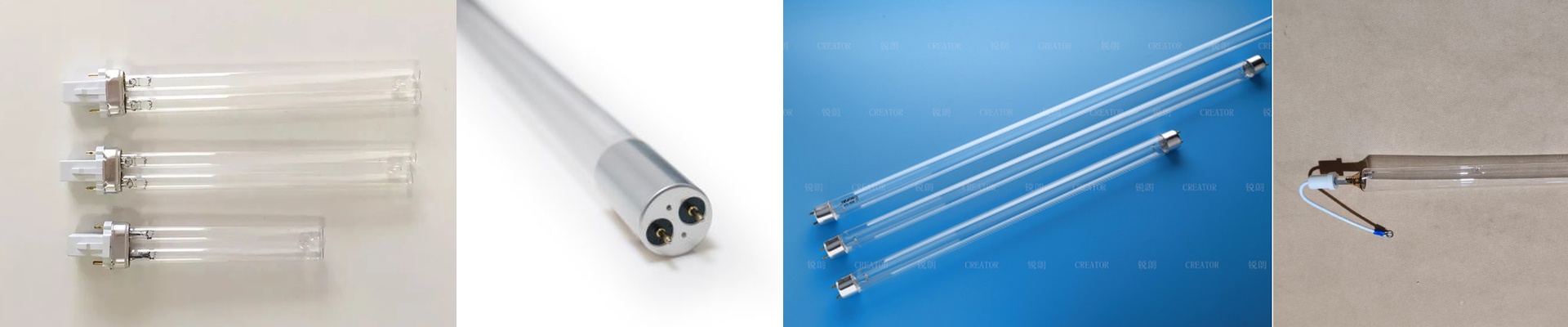

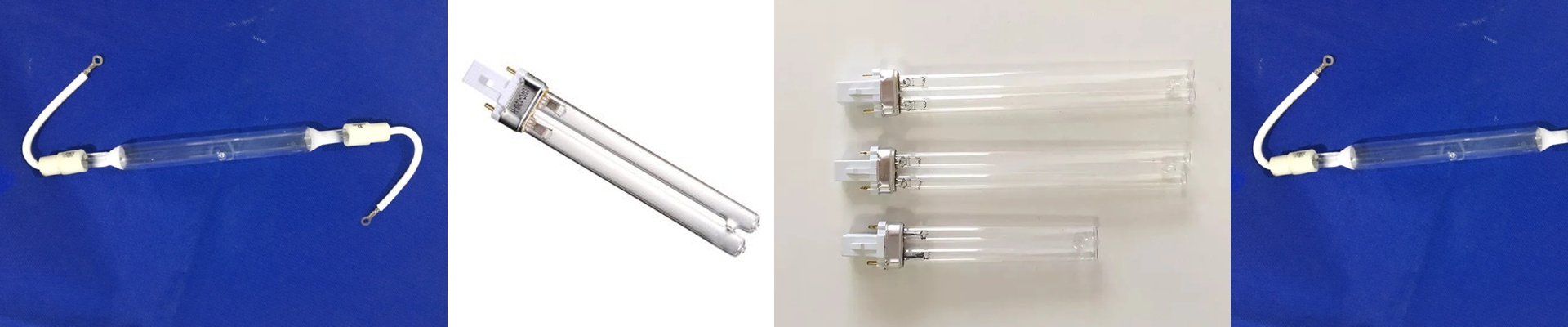
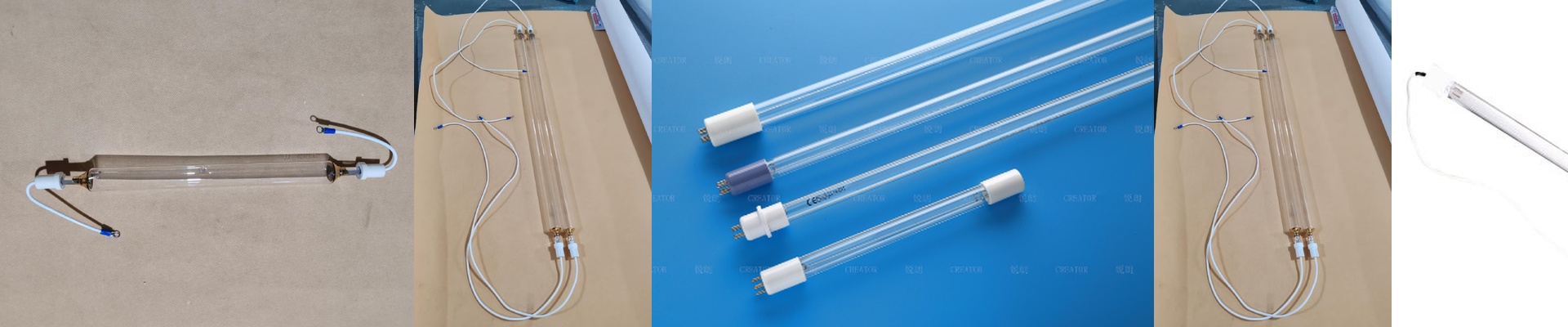
The Truth About the 80W/cm Mercury UV Lamp
If you’ve spent any time in industrial curing or disinfection, you know the 80W/cm mercury vapor lamp. It’s the old reliable. The workhorse. We build these tubes to hit a very specific sweet spot—enough power to get the job done fast, but not so much that you’re fighting a thermal nightmare. When you go with 80W/cm, you’re basically asking for a concentrated blast of UVC. It’s what you need to snap those molecular bonds in photoinitiators or completely wreck microbial DNA.
Heat, Power, and the Quartz Problem
That 80W/cm rating isn’t just a number; it’s how the power is spread across the length of the tube. It’s why your conveyor lines can move so quickly without the product coming out tacky. To make this work, we use high-purity fused quartz. Why? Because standard glass would just soak up all that shortwave UV radiation. But here is the catch:you have to keep these things cool. Make sure your blowers are actually doing their job. If the tube gets too hot, the quartz starts to stress and the mercury pressure gets wonky. The result? Your UV output tanks, and you’re left wondering why your cure isn’t hitting.
Why we cut out the middleman
Most people buy these lamps through a chain of distributors, and every single person in that chain adds a markup. It’s frustrating. We decided to do things differently. We handle everything under one roof—the quartz tubing, the electrode fabrication, the mercury filling, and the final seal. By doing the heavy lifting ourselves, we get rid of the logistics mess and the “margin stacking” that usually makes UV consumables so expensive. We aren’t cutting corners on the materials. We’re just cutting out the people who don’t actually build anything.
Making it work in the real world
These are designed to be drop-in replacements for your standard UV ballasts. They’re steady and predictable. Just keep in mind that mercury lamps aren’t “instant-on.” They need a bit of time to warm up before they hit full strength. If your process demands an immediate blast of light, you’ll have to weigh that against the energy costs. We build these to take a beating in 24/7 factory environments. They’re tough. Just keep your voltage regulation tight—if the power spikes, you’ll burn out your electrodes way sooner than you should.