
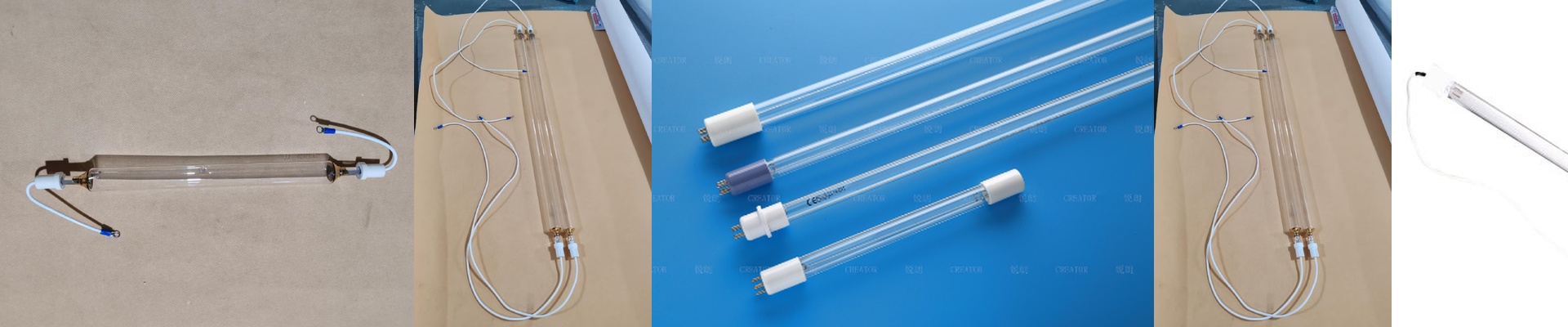

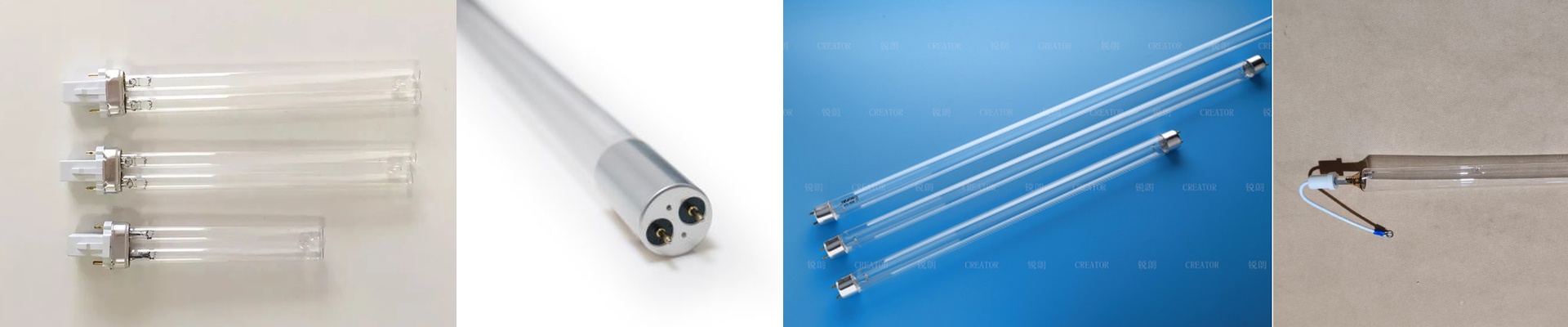
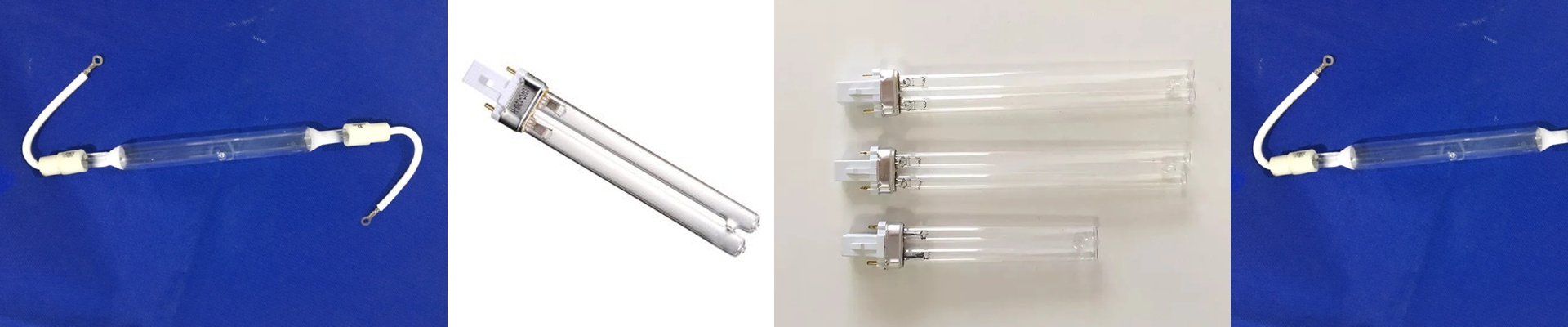

Stop Thinking About UV Lamps as Just “Bulbs”
Most people see a UV lamp and think of a simple curing tool. But if you’ve spent any time on a factory floor, you know it’s more like a precision energy tool. Looking ahead to 2026, the whole industry is shifting. We’re moving away from just shipping standalone bulbs and moving toward integrated photonic modules. Basically, the light is becoming a smart part of the digital factory.
Getting the Physics Right
Here’s the thing about industrial UV: it’s all about the wavelength. It isn’t as simple as flipping a switch. You have to match the lamp’s output perfectly to the photoinitiator in your ink or coating. If you’re off by just a few nanometers? You end up with a tacky surface and a whole batch of rejected parts. That’s a nightmare nobody wants. We’ve been focusing on narrowing that peak emission to cut down on heat soak. The win here is simple: you can crank up your line speeds without worrying about melting your substrate.
Making the Hardware “Smart”
Modern setups need to actually talk to each other. We’re starting to see lamps with built-in sensors that track real UV intensity (mW/cm²) instead of just guessing based on the power coming from the ballast. That data goes straight into your PLC. Imagine this: your lamp output drops by 10%, and the system flags it for replacement before the product ever fails quality control. You stop reacting to disasters and start predicting them.
The Heat Struggle
Of course, there’s a trade-off. More intensity means more heat. When you push for those ultra-fast cure times, the lamp gets incredibly hot. You can’t just throw more power at the problem; you have to make sure your cooling jackets or air-knives can actually handle the load. If the cooling fails, that quartz envelope is going to stress and crack. Simple as that. The days of “dumb” lamps are over. We’re heading toward closed-loop systems where the light adjusts itself based on how fast the conveyor is moving. That’s how you actually run a smart factory.