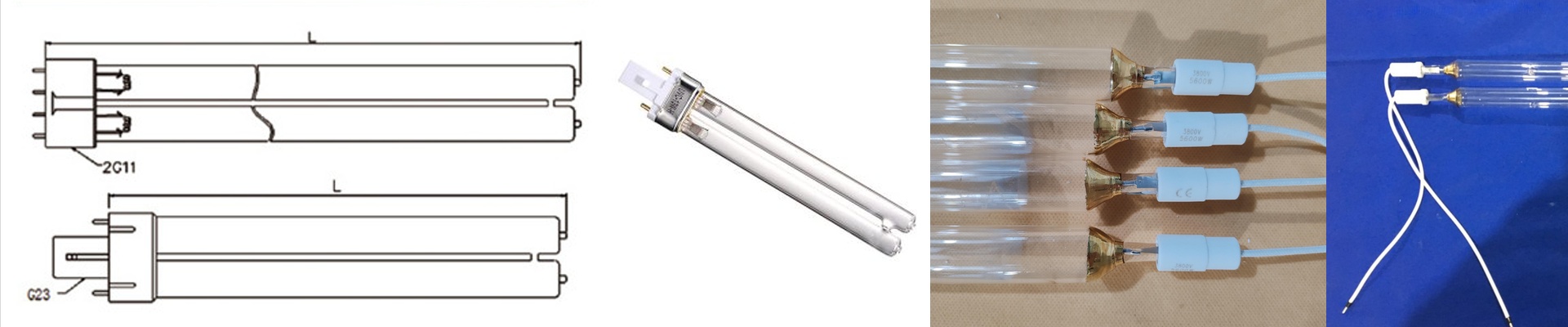
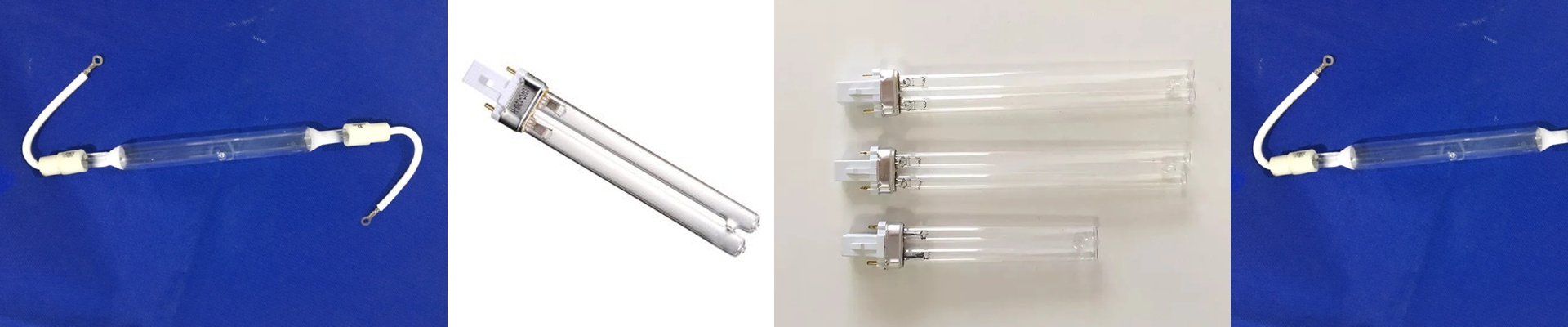
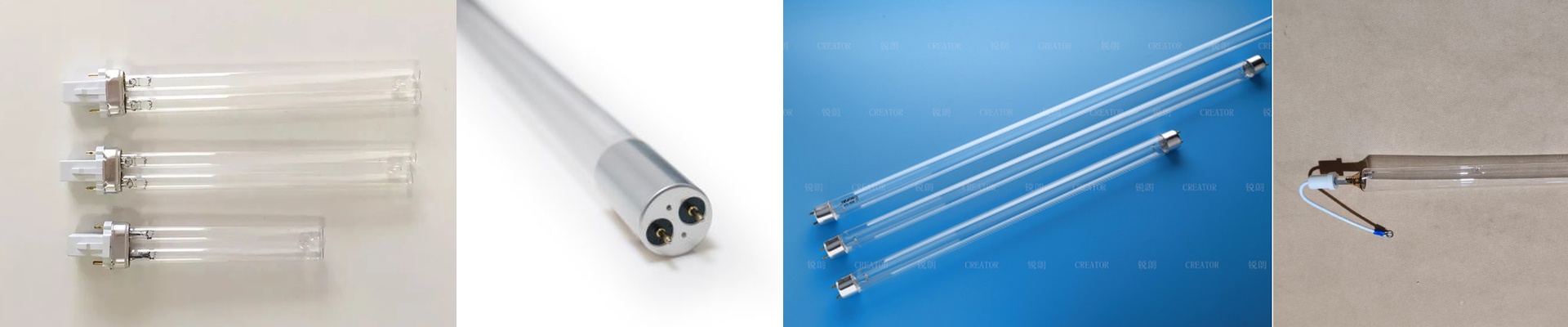
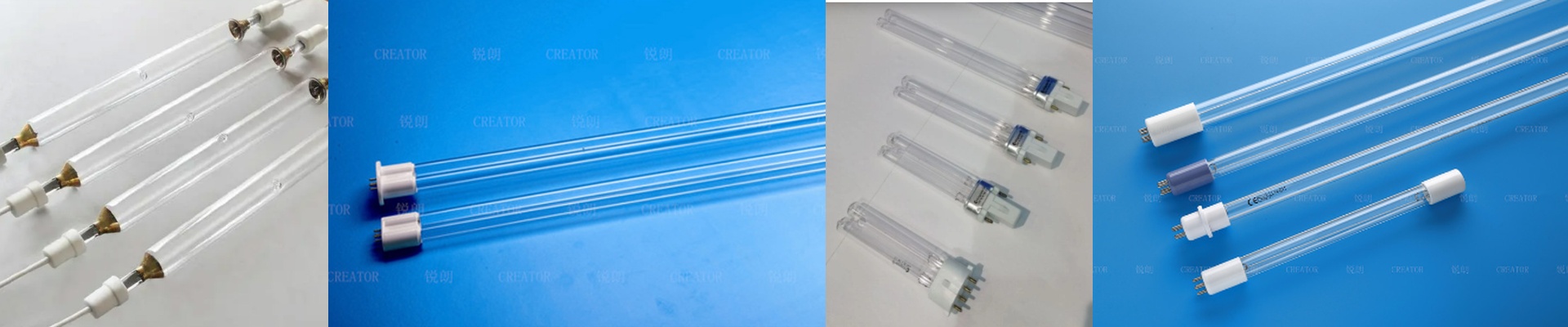
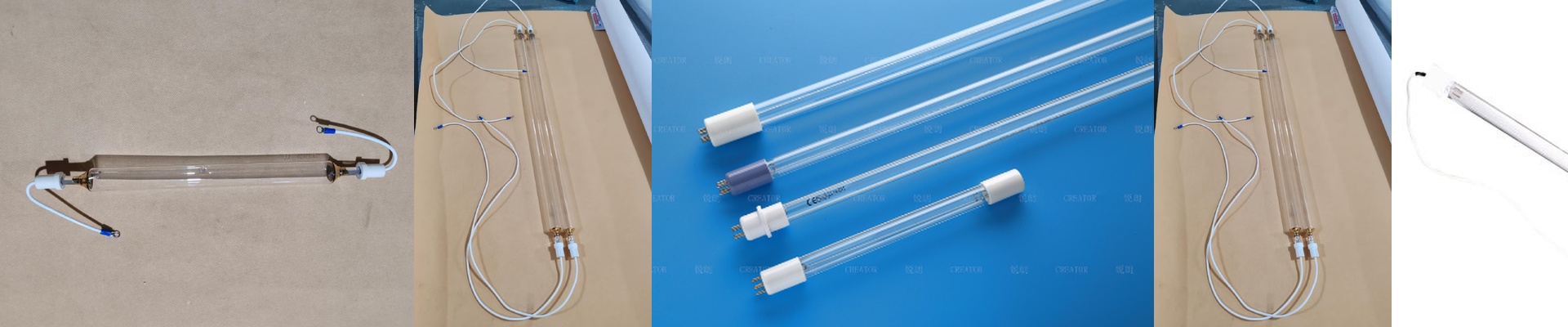
Getting Your UV Curing Right
UV lamps are basically the heartbeat of any modern printing or coating line. They do the heavy lifting—hitting liquid inks with just the right kind of energy to snap them into a solid film in a heartbeat. But here’s the thing: this isn’t like turning on a lightbulb in your living room. It’s all about the specific spectrum. If the light isn’t exactly right, your ink won’t stick, and your surface will feel soft or tacky.
The Nitty-Gritty of UV Output
To get a cure that actually lasts, you need a specific wavelength—usually UVC or UVB. We build our lamps to keep that output steady from one end of the tube to the other. Why does that matter? Because if your wattage dips or your voltage jumps around, you get “soft spots.” One minute your print looks great, and the next, the ink is smearing or peeling off. It’s a nightmare. That’s why we build our gear to handle the messy voltage swings you find in power grids all over the world. We make sure the arc stays stable from the moment you flip the switch until you shut it down for the night.
Dealing with the Heat
Let’s be honest: high-intensity UV lamps gethot. Really hot. We use high-purity quartz glass because it lets the UV light through while standing up to that intense heat. But you can’t just plug these in and forget about them. You’ve got to have a cooling system that actually works—whether that’s forced air or water-cooled jackets. If your airflow gets blocked, the quartz stresses out. Then the lamp burns out way sooner than it should. It’s a simple fix, but it’s the difference between a lamp that lasts and one that dies in a week.
Making it Work in Your Shop
Looking toward 2026, we’re focusing on making things easy. We keep our footprints standard. That means you can swap out a lamp without having to tear apart your entire conveyor system. You just wire it up, tweak your line speed, and get back to work. One quick tip: pushing higher wattage will definitely speed up your cure, but it puts a lot more stress on your ballasts. You have to find that sweet spot. Balance your power draw against your line speed so you aren’t wasting electricity or accidentally cooking your substrate.