

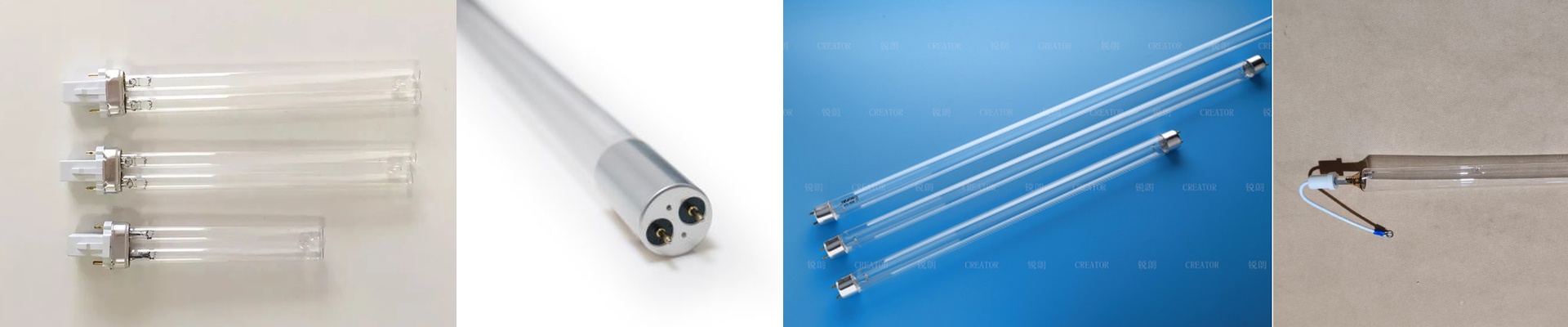
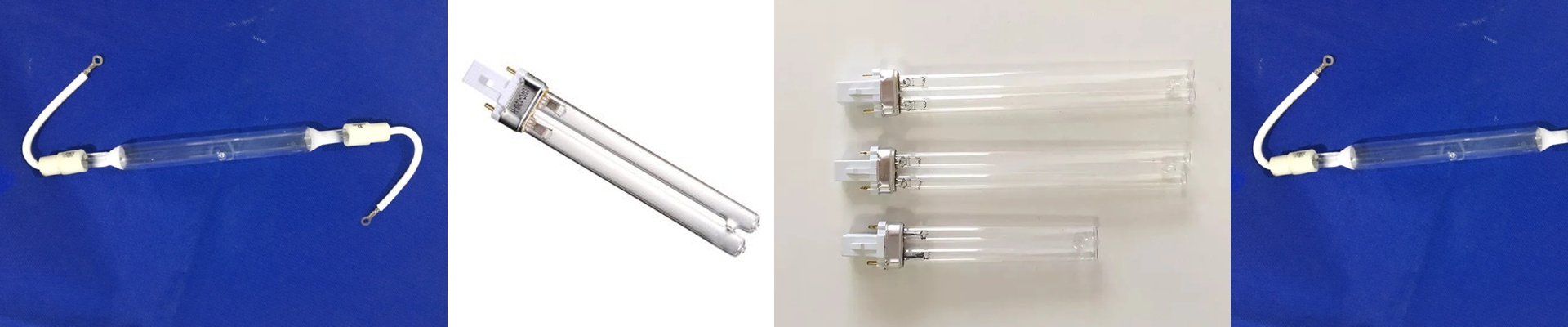
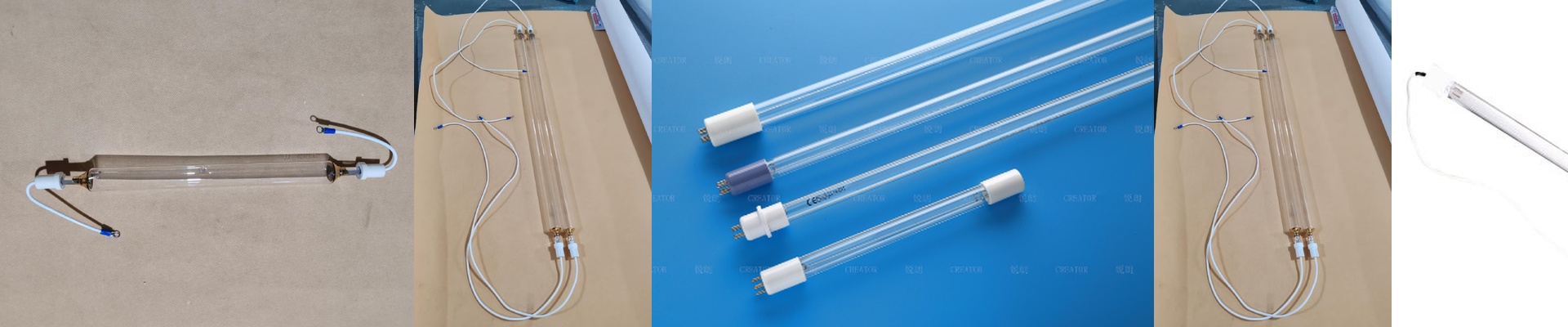
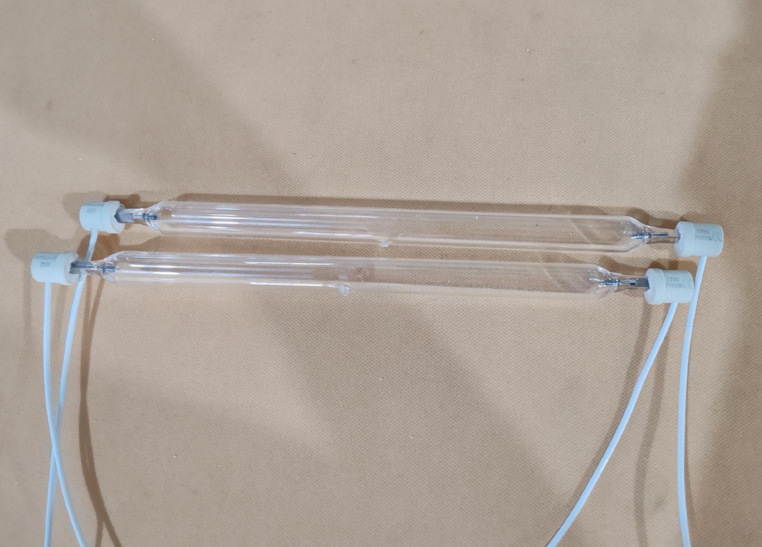
We’ve spent a lot of time walking the shop floors of about 3,000 printing plants. We wanted to figure out why UV tubes keep burning out way before they should. As it turns out, the glass usually isn’t the problem. The real issue is that most lamps are designed for a “perfect world” that doesn’t actually exist on a modern, fast-moving press. The secret to a tube that actually lasts If you want a mercury tube to survive, you have to get the balance of gas pressure and electrode material just right. We use high-purity quartz because it lets the UV light through perfectly, but more importantly, it doesn’t crack when you’re constantly flipping the power on and off. Ever see those “dark spots” appearing at the ends of your tubes? That usually happens when the current is just too heavy for the electrode to handle. We’ve worked to stabilize the mercury vapor so those spots don’t show up and kill your lamp. Playing the long game Here is the thing: most standard tubes are pushed to 100% capacity, 24 hours a day. That’s a recipe for disaster. We do things a bit differently. We spec our tubes to run at a slightly lower temperature. You might notice a tiny dip in that initial “peak” intensity, but in exchange, you get a tube that stays alive for way longer. It’s a trade-off that actually makes sense for your bottom line. Plus, we tweaked the chemistry in the electrodes. By using a specific emitter material, the mercury doesn’t evaporate nearly as fast. This keeps the light consistent from one end of the tube to the other, so you don’t end up with patchy curing on your prints. Don’t let your tubes cook Now, a word of warning. You can’t just slide a high-wattage tube into an old, tired reflector and expect a miracle. These things get incredibly hot. If your cooling fans are clogged with dust or your reflectors have gone dull and oxidized, the tube is going to overheat. Eventually, the quartz softens, and that’s when the trouble starts. Make sure your cooling system can actually handle the wattage you’re running. If you don’t have proper venting, the tube is basically cooking itself from the inside out. Keep it cool, and it’ll keep working.