

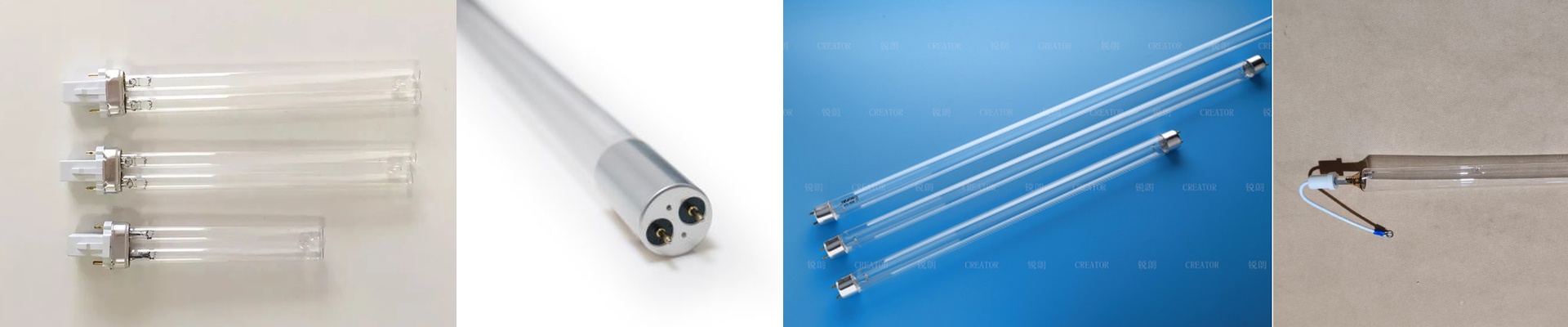
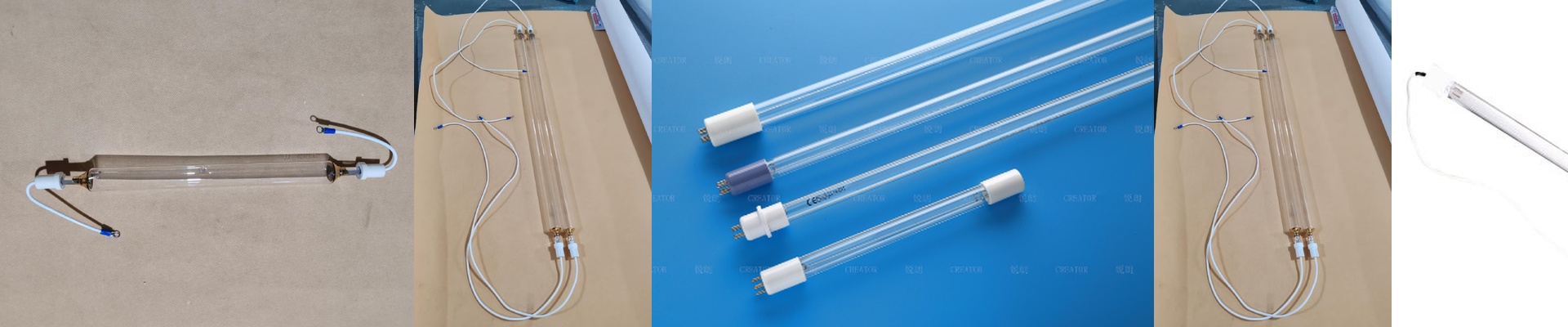
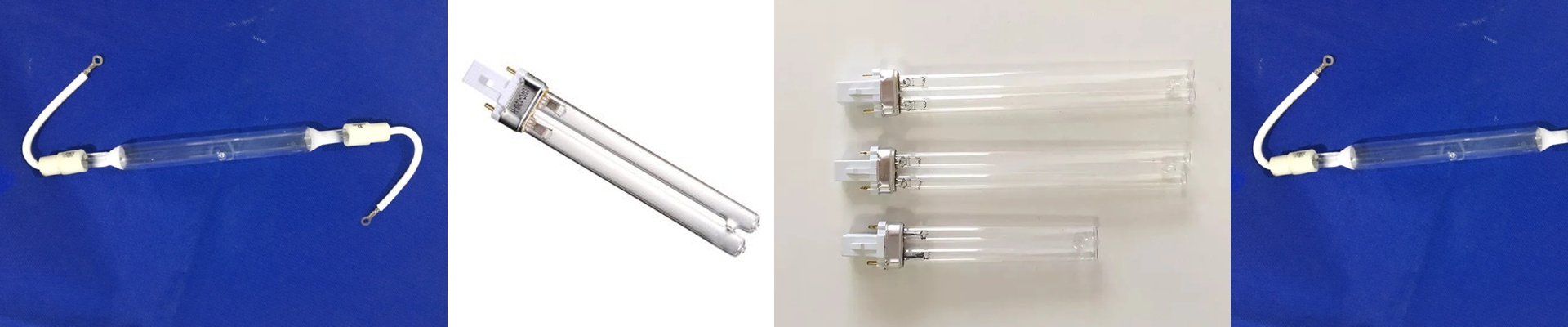
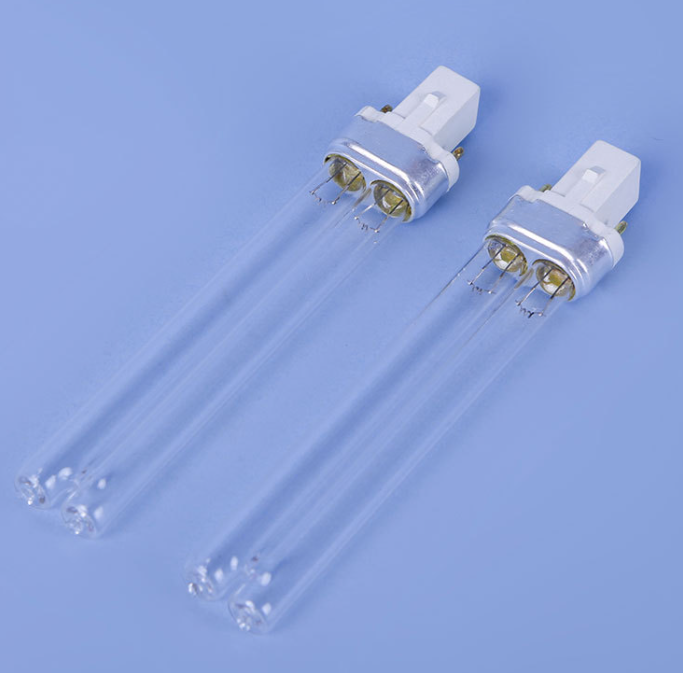
Getting the Most Out of Our 120W/cm Mercury UV Lamps
If you’re running a high-speed production line, you know the drill. You need your inks, coatings, and adhesives to cure now. That’s why we built the 120W/cm mercury lamp. It’s designed for one thing: hitting that sweet spot of energy to get your product cured and moving without slowing down the line. The heat is the real challenge Here is the thing about 120W/cm—it gets hot. Really hot. That intensity is exactly what pushes the UV photons deep into your substrate to get the chemistry moving, but it puts a lot of pressure on your hardware. If your cooling system—whether it’s air or water—isn’t pulling its weight, that quartz envelope is going to burn out way sooner than it should. We spend a lot of time balancing the wattage against the tube length so the lamp stays steady and doesn’t just spike and crash. What’s happening inside the glass We use high-purity fused quartz for the envelope because it doesn’t get in the way. It lets the shortwave UV radiation pass through almost untouched. Inside, the mercury vapor creates a discharge that hits those key wavelengths (usually 254nm and 365nm) that your resin actually responds to. Building it your way For the folks buying in bulk to build their own brand, we do more than just stick a label on a box. We get into the weeds with you. You tell us the connector types you need, the end-cap materials that work for you, and the exact length tolerances for your housings. We handle all the boring technical calibration on our end so that when the lamps arrive, they just slide right into your existing systems. No fuss. The honest trade-off Look, there’s always a balance. Higher power means you can crank up your throughput, but if you push the lamp too hard, you’re going to kill its lifespan. Running at max voltage makes everything cure faster, sure, but it eats away at the electrodes. The trick is finding the right rhythm between your line speed and the lamp’s duty cycle. It’s the difference between a smooth operation and having to stop everything for a replacement in the middle of a shift.