
Out on the press floor, thick-paste jobs fall apart when the UV system can’t push energy all the way through the build. You get tacky bottom layers, a cured skin on top, and suddenly the rejects are piling up. The answer isn’t just “more lamps.” It’s nailing the spectral output and the irradiance profile.
What actually matters, technically
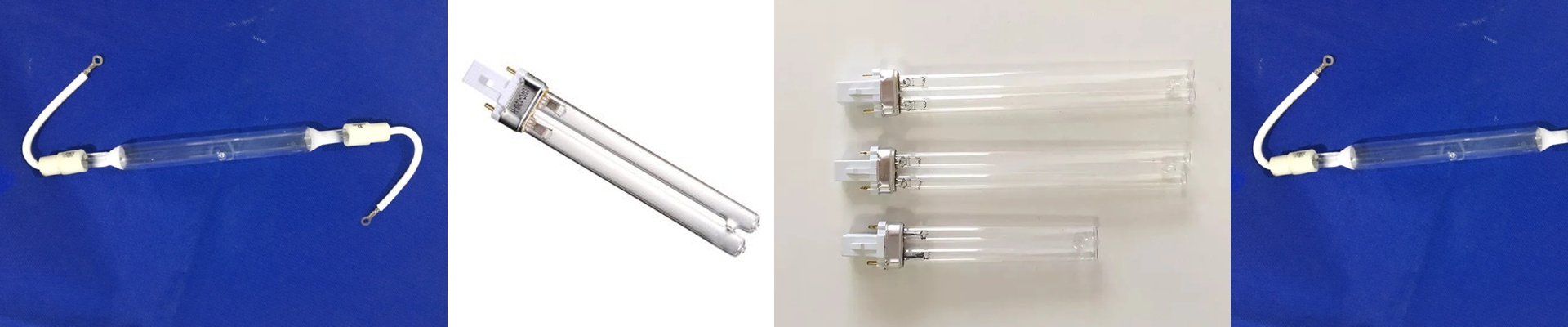
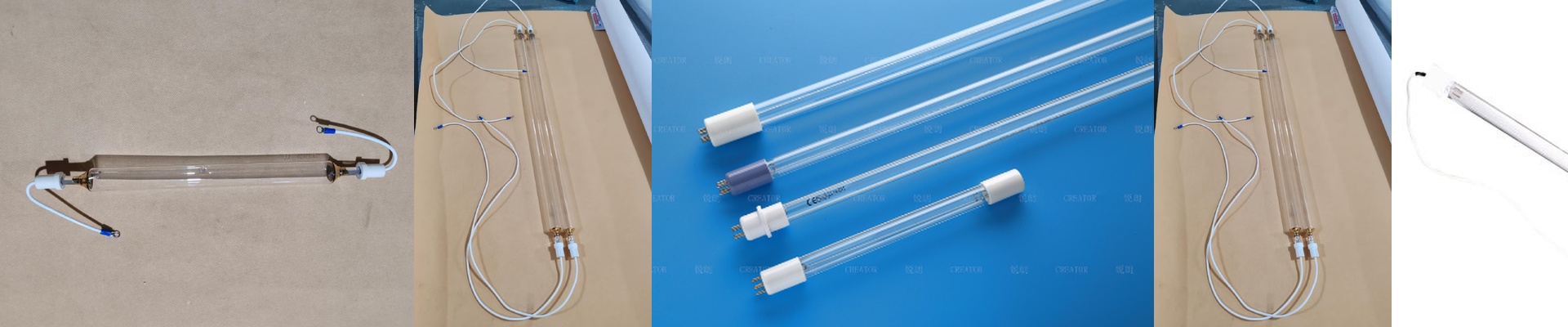
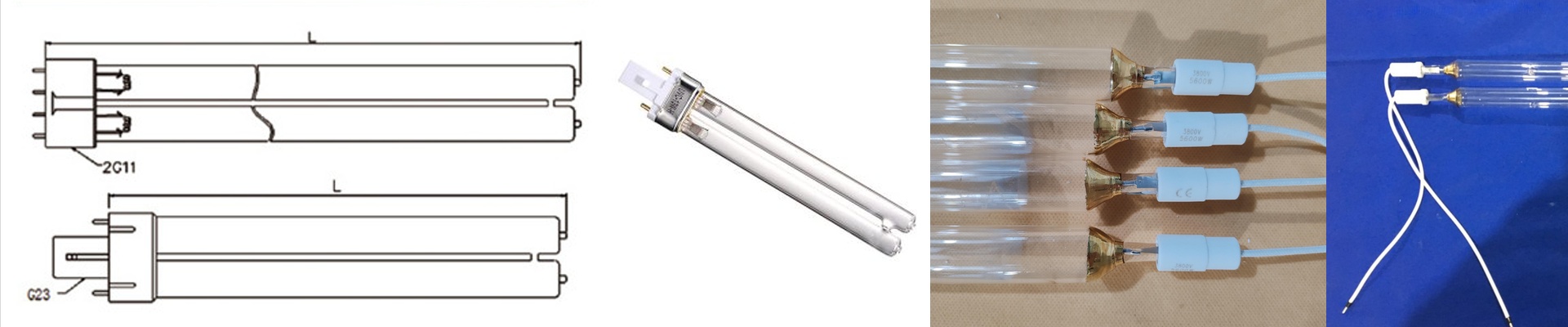
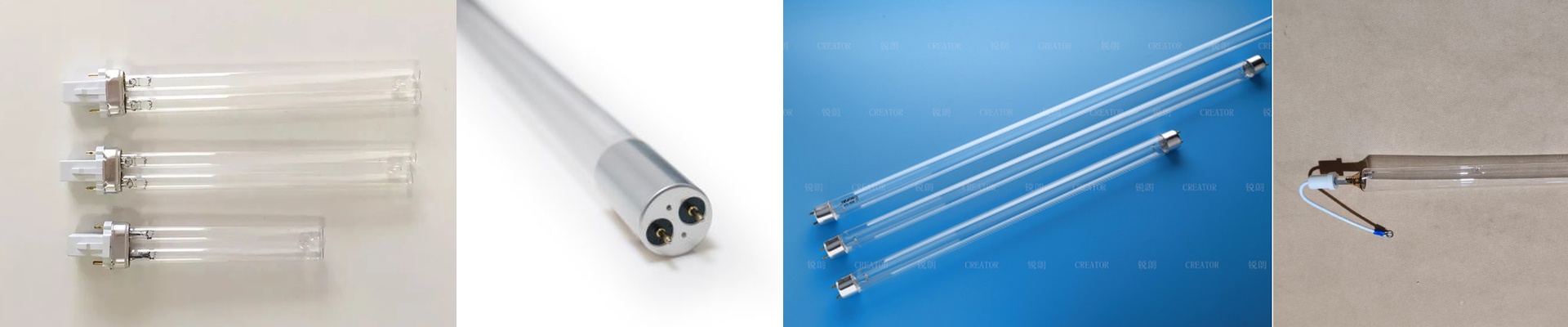
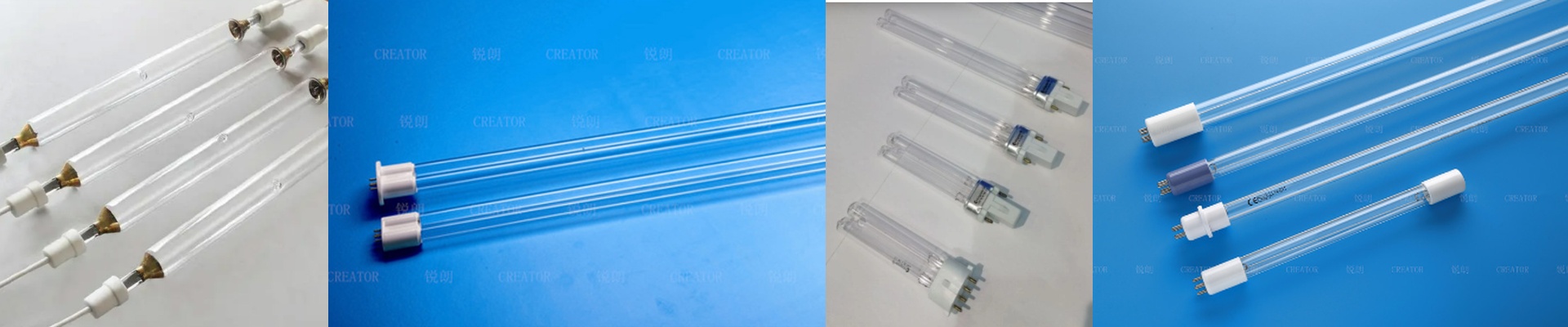
Curing thick paste is about activating photoinitiators deep down, not just surface-hardening. When we spec Usio UV lamp replacements, we lean on a stable 365nm peak—matched to the photoinitiators in thick formulations—and a high-purity quartz arc tube that keeps spectral output consistent over time.
Target peak irradiance at the substrate should be 1200–1600 mW/cm², measured at the reflector focal plane. Power density needs to be calibrated to arc length and your cure window. Output stability should hold within ±3% across lamp life, and the dichroic reflector should concentrate energy into the effective cure band instead of dumping heat where it doesn’t help.
Why this approach holds up in practice
Deep penetration means the beam reaches the bottom of the deposit, and cross-linking starts from the base up. With consistent 365nm output, you can cure thick stencils at line speeds up to 120 m/min without surface skinning and under-cure.
Keep energy density above the ink’s threshold at the bottom layer, and adhesion and durability follow. You can run thicker builds without having to slow the press. Expect fewer pinholes, less ghosting, and cure that stays stable across full width.
The shop-floor details that matter
Match lamp length, arc gap, and connector type to the original fixture, and verify reflector condition. As the reflector oxidizes, output drops—replace reflectors when you replace lamps.
Check your shutter time and dose window. Over-curing burns photoinitiators and wastes energy. Output typically dips about 2–3% in the first 50 hours as the arc stabilizes; schedule radiometer checks every 100 hours.
在印刷车间,当UV系统无法将能量完全穿透厚膏体时,厚膏体工件就会出现分层。底层发粘,上层形成硬化表皮,废品率迅速上升。解决方案不仅仅是“增加灯管数量”,关键在于精准控制光谱输出和照度分布。
技术上真正重要的因素
固化厚膏体关键在于激活深层的光引发剂,而不仅是表面硬化。我们在指定Usio UV灯管替换件时,依赖稳定的365nm峰值——与厚型配方中的光引发剂匹配——以及高纯度石英弧管,确保光谱输出随时间保持稳定。
基板处的目标峰值照度应为1200–1600 mW/cm²,测量位置为反射器焦平面。功率密度需根据弧长和固化时间窗口进行校准。输出稳定性应在灯管寿命周期内保持±3%以内,二向色反射器应将能量集中在有效固化波段,避免无效散热。
该方案实际应用中的表现
深层穿透意味着光束能够到达沉积物底层,交联反应自底部向上进行。在365nm输出稳定的条件下,厚模板可在最高120 m/min的线速下固化,避免表面硬皮和固化不足。
保持底层能量密度高于油墨阈值,附着力和耐久性即可得到保证。这样可实现更厚涂层的生产,而无需降低印刷速度。成品中针孔减少,重影现象降低,固化效果在全幅宽度上保持稳定。
车间操作中需关注的细节
灯管长度、弧隙和连接器类型须与原灯具匹配,检查反射器状态。反射器氧化会导致输出下降,建议在更换灯管时同步更换反射器。
检查快门时间和剂量窗口,过度固化会烧毁光引发剂且浪费能量。灯管启动阶段的前50小时内,输出通常会下降约2–3%,建议每100小时使用辐射计进行检测。