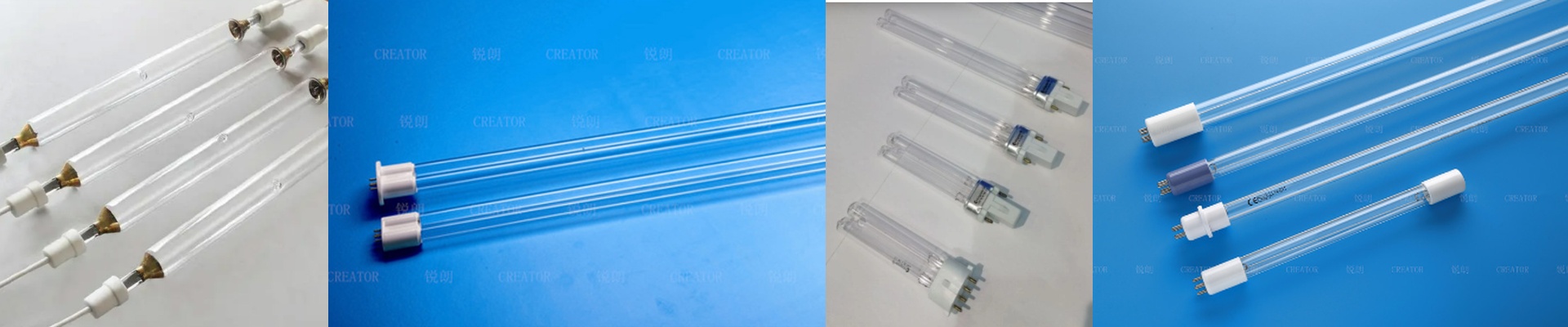
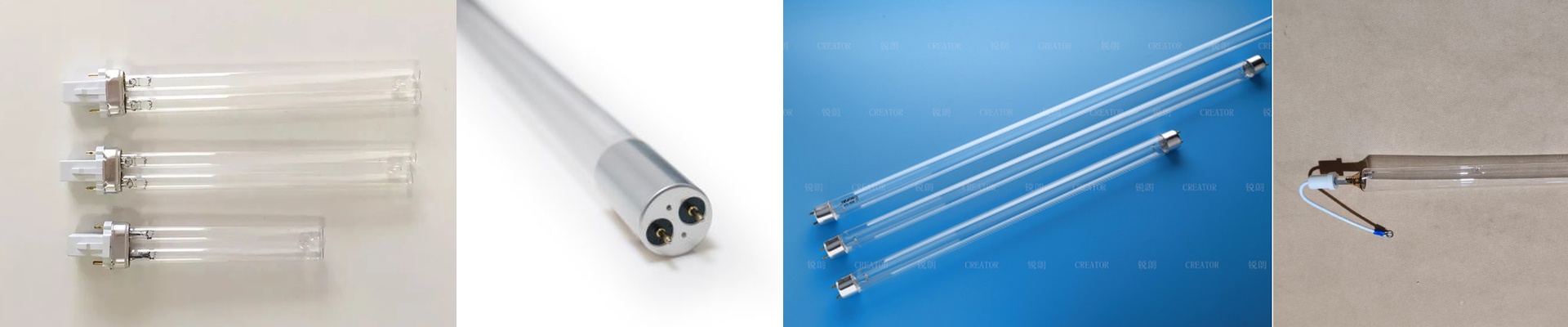
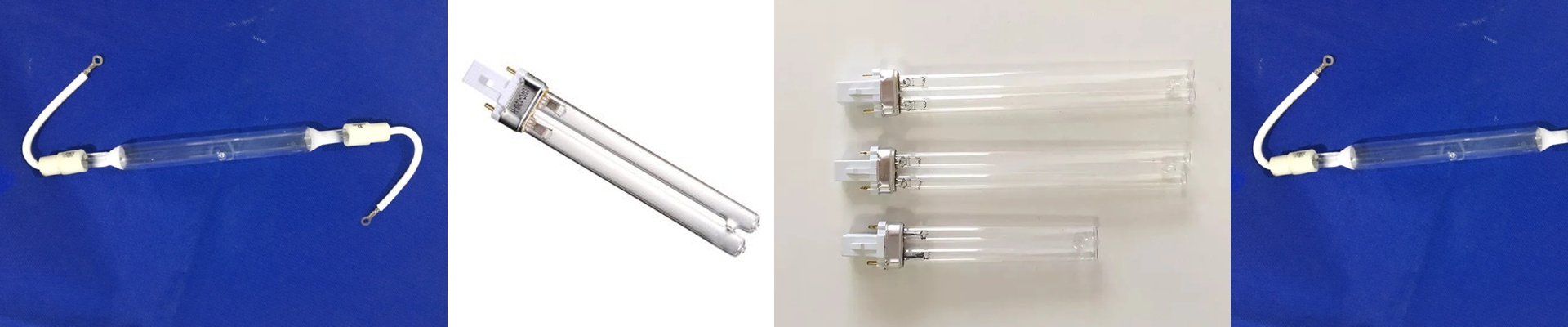
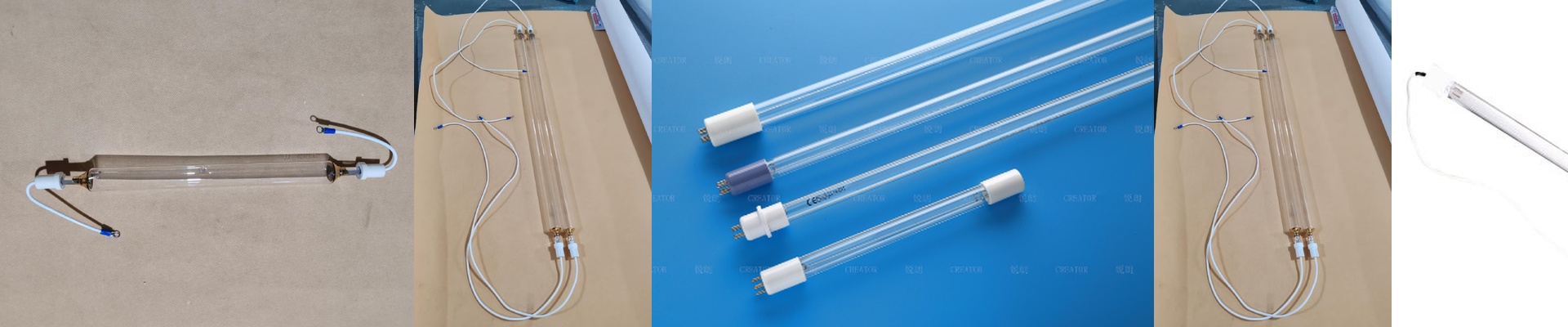
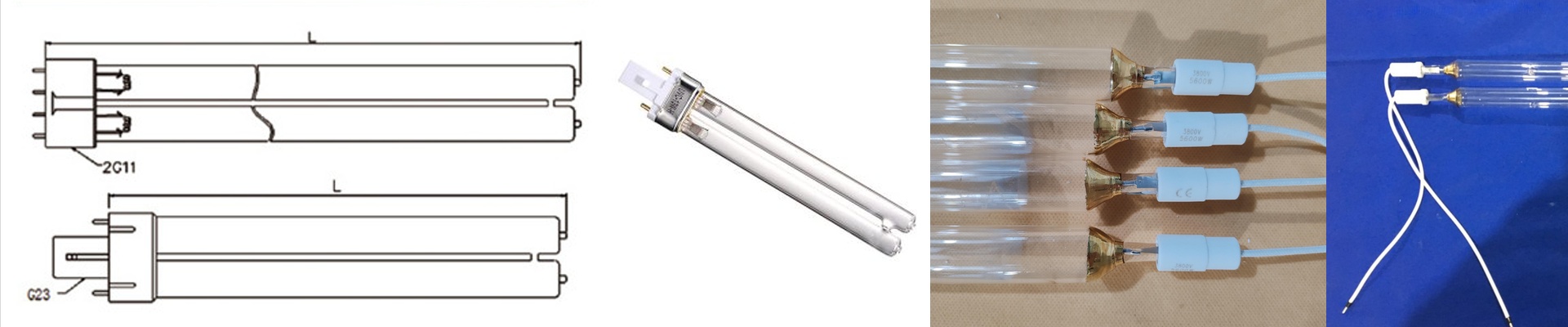

Out on the press floor, thick-paste jobs fall apart when the UV system can’t push energy all the way through the build. You get tacky bottom layers, a cured skin on top, and suddenly the rejects are piling up. The answer isn’t just “more lamps.” It’s nailing the spectral output and the irradiance profile.
What actually matters, technically
Curing thick paste is about activating photoinitiators deep down, not just surface-hardening. When we spec Usio UV lamp replacements, we lean on a stable 365nm peak—matched to the photoinitiators in thick formulations—and a high-purity quartz arc tube that keeps spectral output consistent over time.
Target peak irradiance at the substrate should be 1200–1600 mW/cm², measured at the reflector focal plane. Power density needs to be calibrated to arc length and your cure window. Output stability should hold within ±3% across lamp life, and the dichroic reflector should concentrate energy into the effective cure band instead of dumping heat where it doesn’t help.
Why this approach holds up in practice
Deep penetration means the beam reaches the bottom of the deposit, and cross-linking starts from the base up. With consistent 365nm output, you can cure thick stencils at line speeds up to 120 m/min without surface skinning and under-cure.
Keep energy density above the ink’s threshold at the bottom layer, and adhesion and durability follow. You can run thicker builds without having to slow the press. Expect fewer pinholes, less ghosting, and cure that stays stable across full width.
The shop-floor details that matter
Match lamp length, arc gap, and connector type to the original fixture, and verify reflector condition. As the reflector oxidizes, output drops—replace reflectors when you replace lamps.
Check your shutter time and dose window. Over-curing burns photoinitiators and wastes energy. Output typically dips about 2–3% in the first 50 hours as the arc stabilizes; schedule radiometer checks every 100 hours.