
Why Your UV Lamps Need to Last—and Keep Their Punch
If you run a printing line, you know the drill. The UV curing system is the heartbeat of throughput. Every minute you spend swapping out lamps is a minute your whole line isn’t moving. We build our mercury and gallium lamps to be long-life and low-decay for one simple reason: it keeps your cost-per-part down. When the output stays steady, the cure stays consistent. And when the lamp lasts longer, you stop less. Fewer stops means more uptime, and that’s the kind of efficiency you can feel.
Power, voltage, size: it’s all about fitting the job
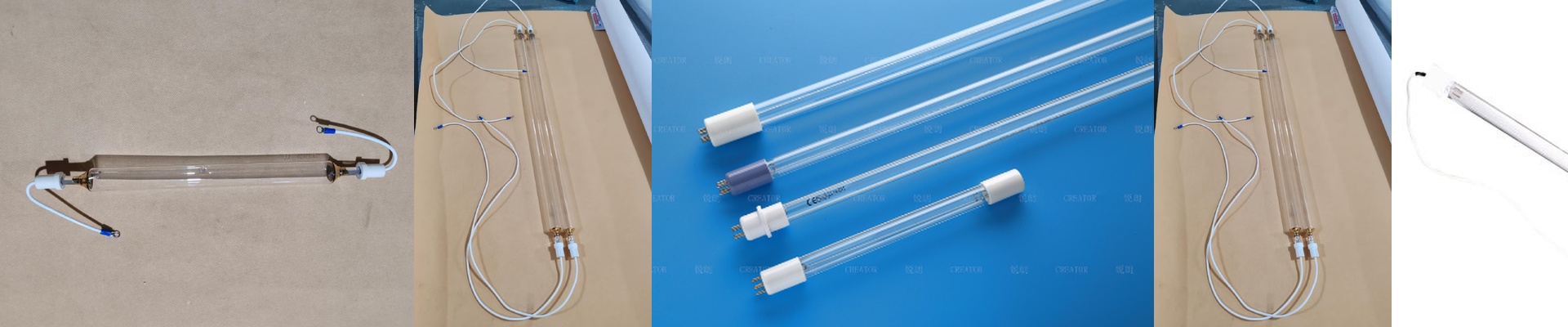
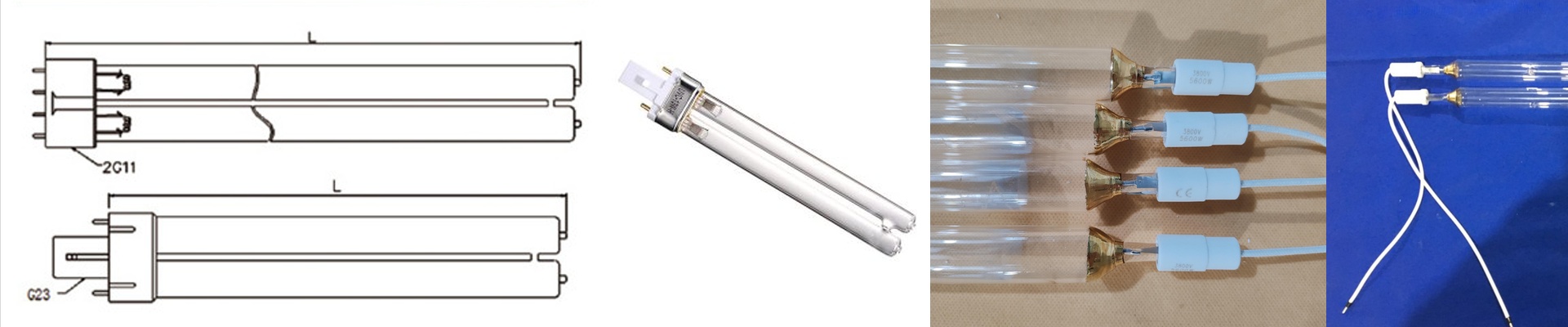
UV lamps aren’t one-size-fits-all. You’ve got to match the lamp to the ballast, the reflector setup, and the space you have. We engineer our lamps to run at specific voltage and power levels so they deliver the right UV energy right where you need it—on the substrate. The length and arc zone are chosen so the output profile fits the curing window cleanly, without cooking nearby parts. Get the power and dimensions right, and the lamp settles in and just works. Get it wrong, and you’re risking under-cured work or equipment stressing out from too much heat.
What’s inside matters: core, coating, and the way it’s built
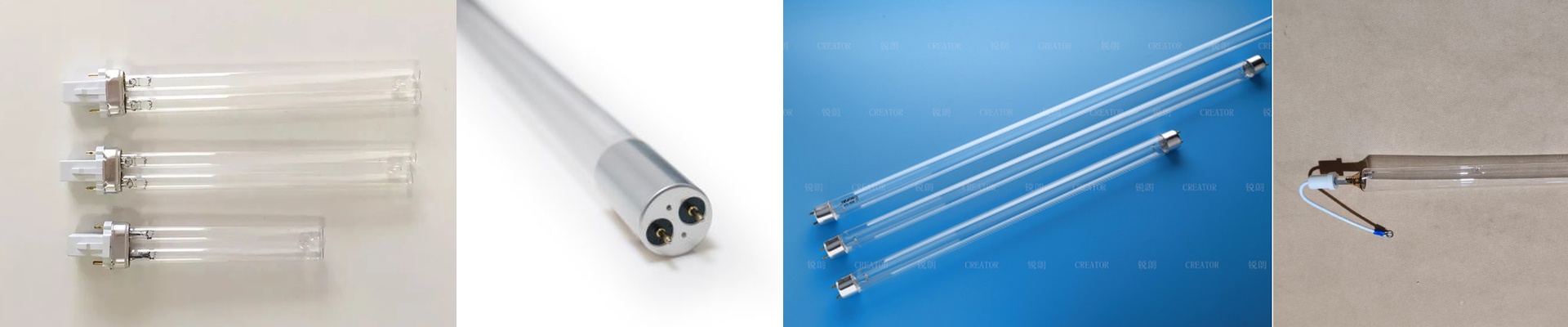
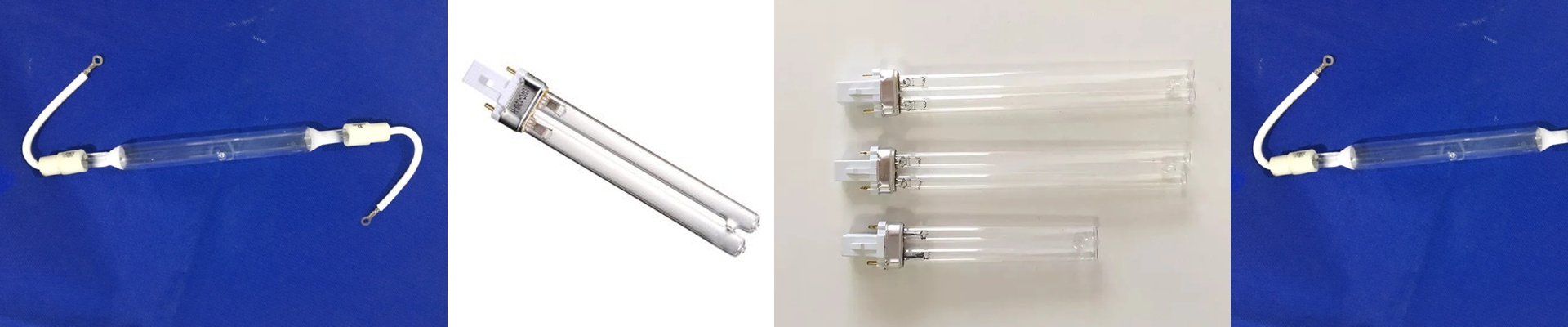
Inside these lamps, we use mercury and gallium amalgams to shape the UV spectrum the way inks and coatings need to cure. The quartz envelope handles high heat and transmits the UV output without fuss. We tune the internal chemistry to slow photon decay, so the lamp keeps performing the same way over time. And the R7s base? It’s a standard choice for secure mounting and dependable electrical contact, so installation feels straightforward. These lamps are tough—make no mistake—but they run hot. That means your reflector and airflow have to be matched to the thermal load. Proper cooling keeps everything happy.
What this means on the floor: fewer burnouts, lower cost
In printing, the job is simple: cure fast, and keep curing. A long-life, low-decay UV lamp means you change lamps less often. Fewer spares sitting on the shelf. Fewer hours spent on replacement. That translates into a lower cost-per-part, driven by uptime you can count on and performance that doesn’t keep you guessing. **Reality check:**Long life comes with heat. Make sure your machine’s cooling and reflector setup are spec’d for the thermal load. If they aren’t, you’ll shorten the lamp’s life—and hand those savings right back.